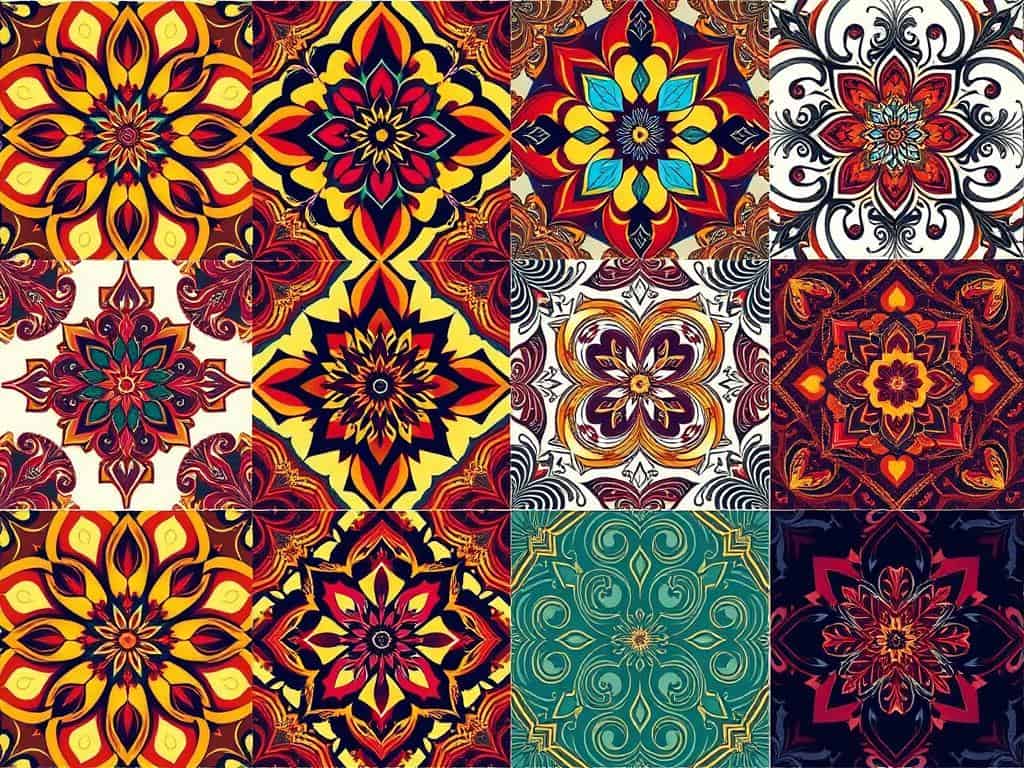
Did you know that 75% of making clothes involves trying and failing, while only 25% is sewing? This shows how important design and creativity are in pattern making. Making pretty textiles and designs can seem hard, but I’m here to make it easier for you.
With almost ten years of experience, I want to share the key techniques. These will help you make designs that grab people’s attention. By learning the basics of pattern design, you can make designs that people love.
This article is your guide to pattern design basics and key techniques. We’ll look at how digital and analog work together. This will help you get better at making patterns. Let’s start this exciting journey into pattern design!
Key Takeaways
- The majority of garment creation is about refining designs through trials.
- Understanding your audience is key to successful pattern design.
- Creative patterns must balance color, texture, and layout for visual interest.
- Seamless repeats enhance the flow and engagement of surface designs.
- Experimentation is key to finding your unique style.
- Using both positive and negative spaces can make your designs better.
- The brain loves contrast, so define shapes well in your patterns.
Understanding the Foundations of Pattern Design
In my over 10 years of pattern design, I’ve learned a lot. The key elements help make patterns interesting and unified. Knowing these basics makes my designs connect with people better.
The Importance of Color Palette
The colors I pick set the mood for my designs. A good color palette adds vibrancy and keeps things looking right together. Choosing colors carefully helps me reach my audience and create feelings.
Different colors can make people feel different things. So, picking the right colors is very important in pattern design.
Elements of Balance and Contrast
Balance is key in any design, making it harmonious. I try both symmetrical and asymmetrical balance to see what works best. Contrast adds depth by mixing different colors, textures, and sizes.
This mix of balance and contrast makes my patterns eye-catching and appealing.
Utilizing Positive and Negative Space
Positive and negative space are important in my designs. Using negative space makes the main parts stand out. I make sure positive spaces have room to breathe, making the design more engaging.
Essential Techniques for Crafting Creative Patterns
Crafting creative patterns requires several key techniques. One important method is experimenting with repetition and layouts. Repetition adds rhythm and cohesion to designs. By trying different layouts, I find unique patterns that might not be obvious at first.
This focus on repetition is essential for creating innovative patterns.
Experimenting with Repetition and Layouts
Playing with repetitive elements brings out the beauty in pattern crafting. Patterns benefit from motifs, where repeating shapes or colors create appealing visuals. Small changes in repetition can make designs more interesting and complex.
I also try different layouts to bring new perspectives to my work. This approach keeps my designs fresh and exciting.
Integrating Digital and Analog Methods
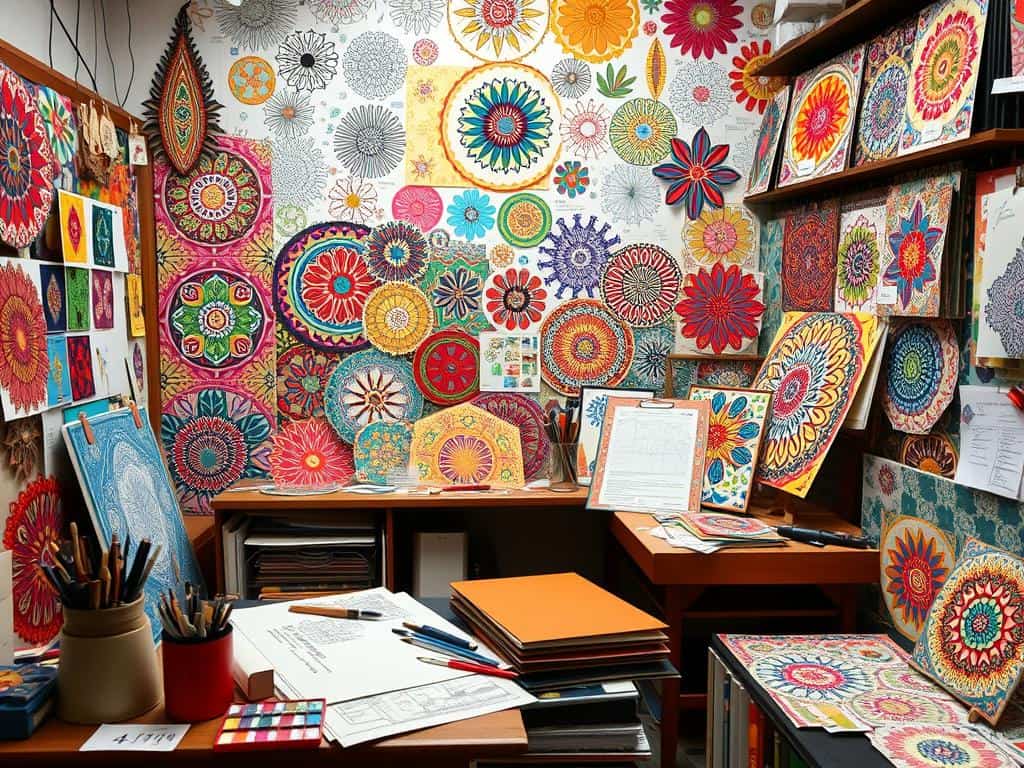
Using both digital and analog methods has changed my pattern design process. Digital tools like Procreate and Adobe Illustrator offer precision and versatility. Yet, combining these with my hand-drawn work adds a personal touch that technology can’t replicate.
This mix of methods lets me experiment freely while keeping my designs authentic.
Creating Seamless Patterns
Creating seamless patterns is a key part of pattern crafting. These designs flow smoothly without edges, making the artwork look more polished. I work on techniques to make seamless patterns efficiently.
Mastering seamless patterns not only improves the design’s look but also makes it more practical for use in textiles and wallpapers.
Conclusion
Exploring pattern design shows me how important both skills and creativity are. I learn new things every day. It’s not just about making things look good; it’s about discovering myself and sharing my vision.
Remembering the basics of pattern making is key. Using what I’ve learned about color, balance, and space helps me create designs that reflect my style. It’s rewarding to improve and stay true to my artistic roots.
I encourage everyone to dive into pattern making with enthusiasm. It’s a complex but rewarding craft. By embracing it, we grow our skills and add to the world of design. We create patterns that celebrate our uniqueness and creativity.
