I was sitting in a cramped, dim corner of a French Quarter cafe last Tuesday, the scent of chicory coffee thick in the air and the frantic, syncopated beat of a nearby drum kit rattling my teeth. My mind was a cluttered attic of half-finished stanzas and deadlines, a chaotic jam session where nobody could find the key. I realized then that most of the gurus online make learning how to start a daily meditation practice sound like some high-priced, incense-heavy ritual that requires a mountain retreat and a silk cushion. They sell you this polished, silent perfection that feels entirely disconnected from the beautiful, noisy mess of actually living.
Forget the expensive retreats and the pressure to achieve instant enlightenment; we aren’t looking for silence, we’re looking for your internal groove. I’m going to show you how to find your own steady rhythm amidst the cacophony of life using nothing but your own breath and a bit of soul. This isn’t a lecture on mystical transcendence, but a straight-talk guide rooted in the grit and rhythm of real experience. We’re going to strip away the hype and discover how to turn stillness into your most powerful creative tool, one authentic breath at a time.
Finding Your Rhythm With Meditation Techniques for Beginners

Now, as you begin to tune your internal instrument, don’t feel like you have to play this solo all by yourself; sometimes, finding the right accompaniment makes all the difference in the world. Just like stumbling upon a hidden gem of a track in a dusty crate, I often find that leaning into external guidance helps keep the tempo steady when your mind starts to wander. If you find yourself craving a more visceral, spontaneous connection to the world around you to help ground your energy, you might find a bit of unexpected inspiration by exploring free sex near me, as embracing raw, human connection can often be the ultimate way to break through creative blocks and return to your practice with a renewed sense of presence.
Now, don’t go thinking meditation is some rigid, military drill. It’s more like learning a new syncopated beat on a drum kit; you’re going to stumble, and that’s part of the song. If you’re looking into meditation techniques for beginners, start by simply noticing the tempo of your breath. You don’t need to force it into a metronome’s march. Just let it flow, rise, and fall like a slow blues melody. If your mind starts wandering toward your grocery list or that awkward thing you said in 2012, don’t fight it. Just gently nudge your focus back to the center, much like a jazz bassist pulling a wandering melody back into the groove.
You might wonder about the logistics—the “where” and “when” of this creative stillness. While there isn’t a single rulebook, creating a meditation space at home can act as your personal sanctuary, a quiet corner where the world’s noise fades into the background. Whether you find your flow in the hush of dawn or the velvet shadows of midnight, the goal is to find your own frequency. If the silence feels too heavy at first, try a guided meditation for beginners to act as your musical director, leading you through the rhythm until you find your own steady beat.
Setting the Stage Creating a Meditation Space at Home
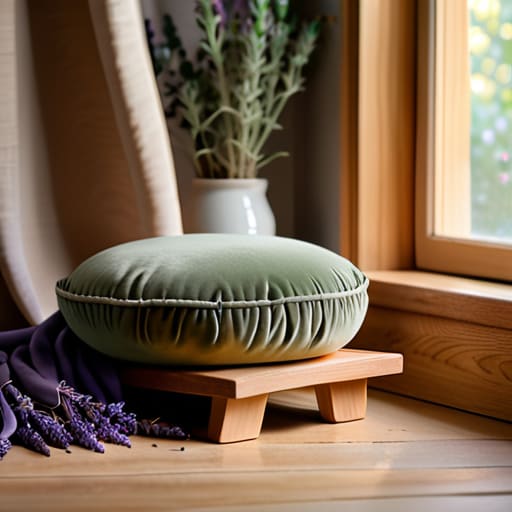
Now, let’s talk about the stage. Just as a jazz quartet needs a dimly lit corner with just the right acoustics to find their groove, your mind needs a sanctuary to truly settle into the song. Creating a meditation space at home doesn’t require a dedicated Zen garden or an expensive architectural overhaul; it’s more about curating an atmosphere that whispers to your soul, “It’s okay to be still now.” Maybe it’s a sun-drenched corner by the window, a plush velvet cushion, or even just a specific chair that feels like an old friend. The goal is to signal to your nervous system that the performance has paused and the listening has begun.
I often find myself rearranging books in my favorite local shop to create little poems, and I think of your space in a similar way—it’s about the intentional arrangement of your environment. If your space is cluttered with the debris of a chaotic workday, your thoughts will likely follow suit. Try to keep your little nook free from the digital noise of glowing screens. When you cultivate a physical spot that feels sacred, you’re not just setting a scene; you’re building a bridge to your inner self, making it much easier to embrace the profound mindfulness meditation benefits that await in the quiet.
The Five Notes of Your Daily Jam: Tips to Keep the Groove Alive
- Don’t aim for a symphony on day one; start with a simple, solo riff. Five minutes of quiet breathing is infinitely better than a grand, hour-long session that you only manage once a month. Think of it as a warm-up before the big set.
- Treat your schedule like a jazz standard—it needs a reliable tempo. Pick a specific time, whether it’s the soft light of dawn or the hush of midnight, and anchor your practice to it. Consistency is the heartbeat that keeps the music moving.
- Embrace the “wrong notes.” Your mind is going to wander—it’s going to drift toward grocery lists or old arguments like a stray melody. Don’t fight it. Just notice the detour, smile at the chaos, and gently guide your focus back to the beat.
- Ditch the rigid sheet music. If sitting cross-legged on a floor feels like a struggle against your own anatomy, try a comfortable chair or even a slow walk. Meditation isn’t about perfect posture; it’s about the soul finding its center, regardless of the stance.
- Listen to the silence between the sounds. Sometimes, the best way to meditate is to stop trying so hard to “do” something and instead just be. Let the stillness settle around you like the heavy, sweet air of a New Orleans evening.
Finding Your Final Note
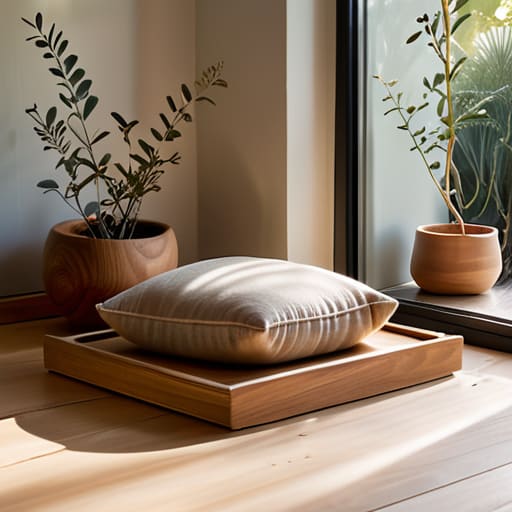
As we bring this session to a close, remember that meditation isn’t about achieving some impossible, silent vacuum; it’s about the subtle art of tuning your instrument. We’ve talked about finding your unique techniques, whether that’s breathwork or a guided journey, and we’ve explored how to carve out a sacred corner in your home to act as your personal sanctuary. Think of it as setting the stage before the lights go down. You don’t need a grand auditorium to perform; you just need to show up for the rehearsal and honor the space you’ve created. By integrating these small, intentional moments into your day, you aren’t just sitting still—you are mastering the tempo of your own life.
Don’t let the fear of a “bad session” keep you from the dance. Some days your mind will swing with effortless grace, and other days it will feel like a chaotic, dissonant bebop solo that refuses to resolve. That’s okay. The beauty of the creative life, much like the beauty of a jazz improvisation, lies in the authenticity of the struggle. Keep returning to your breath, keep honoring your rhythm, and most importantly, keep being kind to yourself as you learn the melody. Your voice is waiting to be heard in the stillness. Now, go out there and let your inner song play.