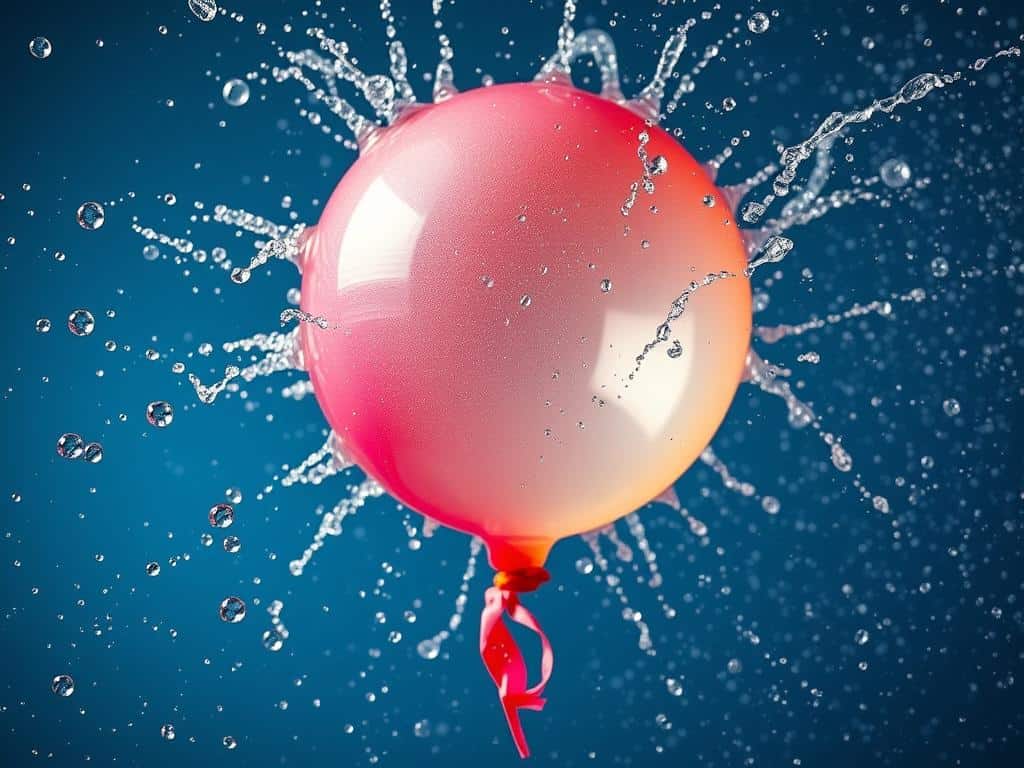
Did you know high-speed photography can freeze motion in just 1/10,000th of a second? This amazing skill not only wows people but also lets photographers capture the impossible. In this guide, we’ll explore the world of action shots and share key tips for capturing them well.
With the right techniques, you’ll be ready to catch those quick moments of excitement. Whether it’s the thrill of a sports event or the beauty of wildlife in motion, we’ll learn how to master high-speed photography together!
Key Takeaways
- High-speed photography typically requires shutter speeds from 1/500th to 1/2000th of a second or faster.
- Continuous autofocus mode (AF-C) is key for capturing sharply-focused moving subjects.
- Proper lighting is vital for using faster shutter speeds needed to freeze action.
- Electronic shutters can go beyond 1/8000 second but might cause rolling shutter effects.
- High-quality studio flashes can achieve flash durations as brief as 1/10,000th of a second.
Understanding High-Speed Photography
High-speed photography captures fast-moving subjects with amazing clarity. It freezes moments too quick for our eyes to see. This technique has a long history, blending science and art.
What is High-Speed Photography?
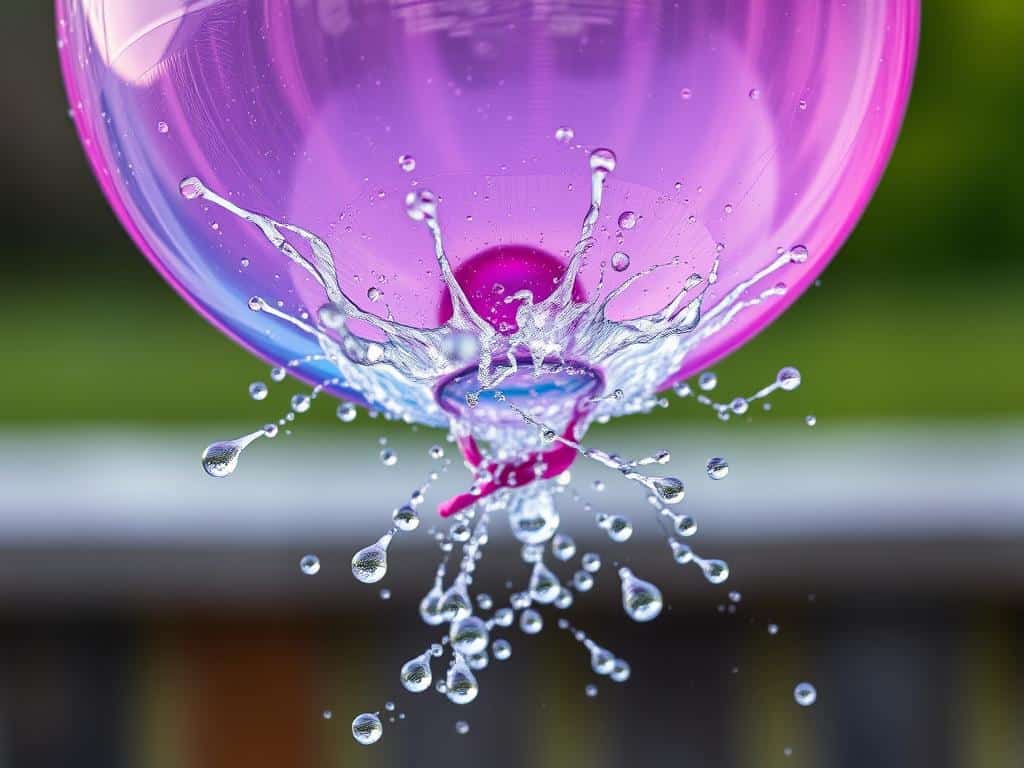
It uses special cameras to take quick photos of moving things. It’s all about catching fast subjects in action. Today’s tech lets us see things like a droplet splashing or a balloon bursting.
Historical Significance and Evolution
Eadweard Muybridge started it all in 1878 with twenty-four cameras on a horse. Then, Peter Salcher caught a supersonic bullet in 1886. The 20th century brought huge leaps, like cameras that shot 10,000 frames per second.
Common Applications of High-Speed Photography
It’s used in sports, nature, and product photography. It helps us study athletes and wildlife. High-speed photography gives us new views, blending beauty and science.
Key Camera Techniques for High-Speed Photography
Mastering camera techniques is key in high-speed photography. Knowing how to adjust shutter speed, camera settings, and continuous autofocus can make your action shots stand out.
Shutter Speed: The Foundation of Freezing Motion
Shutter speed is the heart of high-speed photography. A fast shutter speed captures motion by exposing the camera’s sensor briefly. For quick actions, a shutter speed over 1/500th of a second is best. For extreme shots, like aircraft in flight, speeds of 1/2000 seconds or more are needed.
Camera Settings: Manual vs. Shutter Priority Mode
I prefer manual mode for full control over camera settings. It lets you adjust aperture and ISO as needed. Shutter priority mode is also useful, as it adjusts aperture for the best exposure. This flexibility is great in fast-changing scenes.
Using Continuous Autofocus for Sharp Images
For fast-moving subjects, continuous autofocus (or AI Servo on Canon and AF-C on Nikon) keeps focus sharp. It adjusts focus as the subject moves, essential for clear action shots. Using these techniques, each photo captures motion with precision.
Mastering Equipment Choices for High-Speed Photography
Choosing the right gear is key for amazing high-speed photos. Look for DSLRs or mirrorless cameras with fast shutters. High-quality lenses are also vital for capturing fast movements, like water or sports.
The Best Cameras and Lenses for Action Shots
For action shots, some cameras are better than others. The Canon EOS R5 and Sony Alpha a9 II are top picks for their speed and autofocus. Use telephoto lenses for wildlife and macro for close-ups to improve your photos.
Importance of Tripods and Stabilization Equipment
Stabilization gear is a must for clear photos in high-speed photography. A strong tripod helps avoid camera shake, which is important for fast subjects. Over 50% of photographers use tripods to get better images. Good stabilization gear means sharper photos and more creative freedom.
Utilizing Flash and Sync Techniques for Dynamic Shots
Flash techniques, like high-speed sync, can make your photos pop. External flashes can brighten your shots by up to 300% compared to natural light. Tools like the MIOPS Smart+ help sync your camera and flash for sharp, fast shots. Learning these methods can elevate your photography.
Conclusion
Mastering high-speed photography takes dedication, practice, and the right gear. I’ve learned that knowing about shutter speed and choosing the right lenses is key. High-speed photography needs exposure times around 1/20000th of a second, unlike standard photography’s 1/125th.
By following tips for beginners, I’ve improved my skills. I now capture stunning images of quick moments. This has been a game-changer for me.
The benefits of high-speed photography are many. I use specialized 100mm macro lenses for detailed liquid sculptures. I also play with different backgrounds to make my photos look better.
Synchronization is critical, whether using external flashes or triggers. It’s vital for capturing that perfect shot.
As I keep improving and sharing my knowledge, the excitement of taking amazing photos grows. I urge anyone interested to explore high-speed photography. It can change your portfolio and tell powerful stories by freezing action at the right moment.
