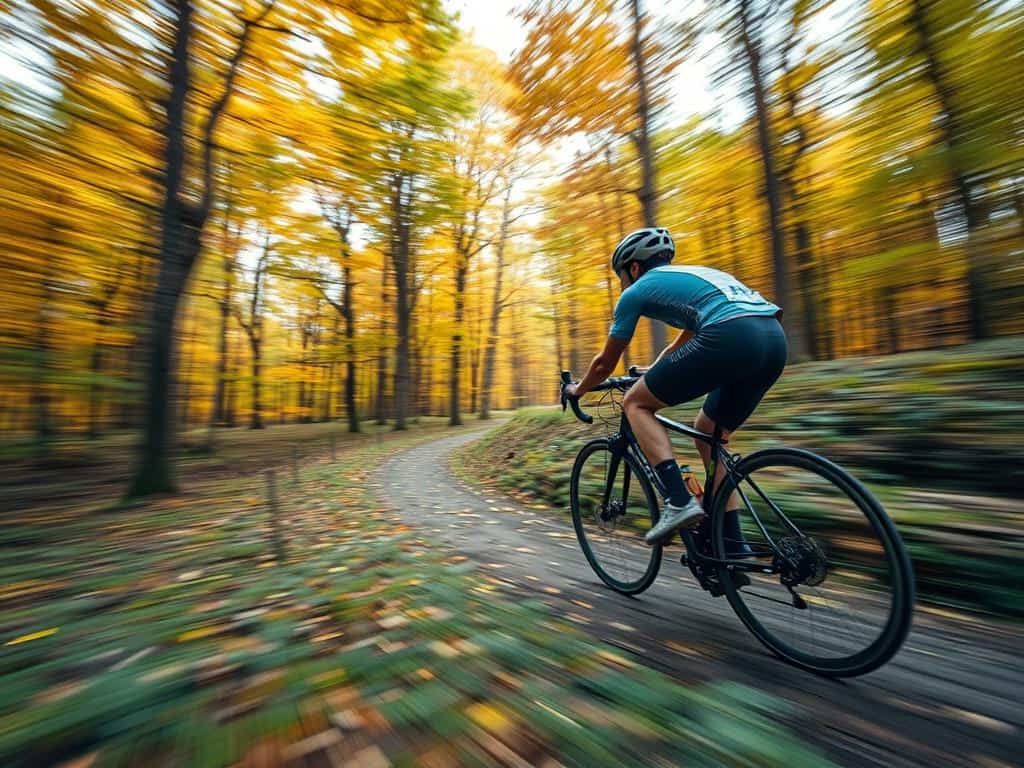
Did you know that to get great panning shots, you need shutter speeds between 1/30 to 1/80 of a second? As travel season gets closer, learning this skill can really boost your photography. Panning lets me capture moving subjects clearly while blurring the background. This makes my travel photos more impactful and engaging.
In this article, I’ll show you the basics of panning photography. You’ll learn key techniques for amazing action shots. Whether it’s bustling city scenes or thrilling surfing, mastering panning can make your photos stand out. Let’s dive into capturing vibrant stories through my lens!
Key Takeaways
- Panning photography allows you to depict moving subjects in sharp focus against a blurred background.
- Regular practice in panning can improve your skills and success rate in capturing dynamic action shots.
- Choosing the right shutter speed and aperture setting is key for great panning results.
- Using burst mode can help you catch the perfect shot during fast-paced moments.
- Perfecting your stance and movement tracking is vital for achieving the desired panning effect.
Understanding Panning Photography
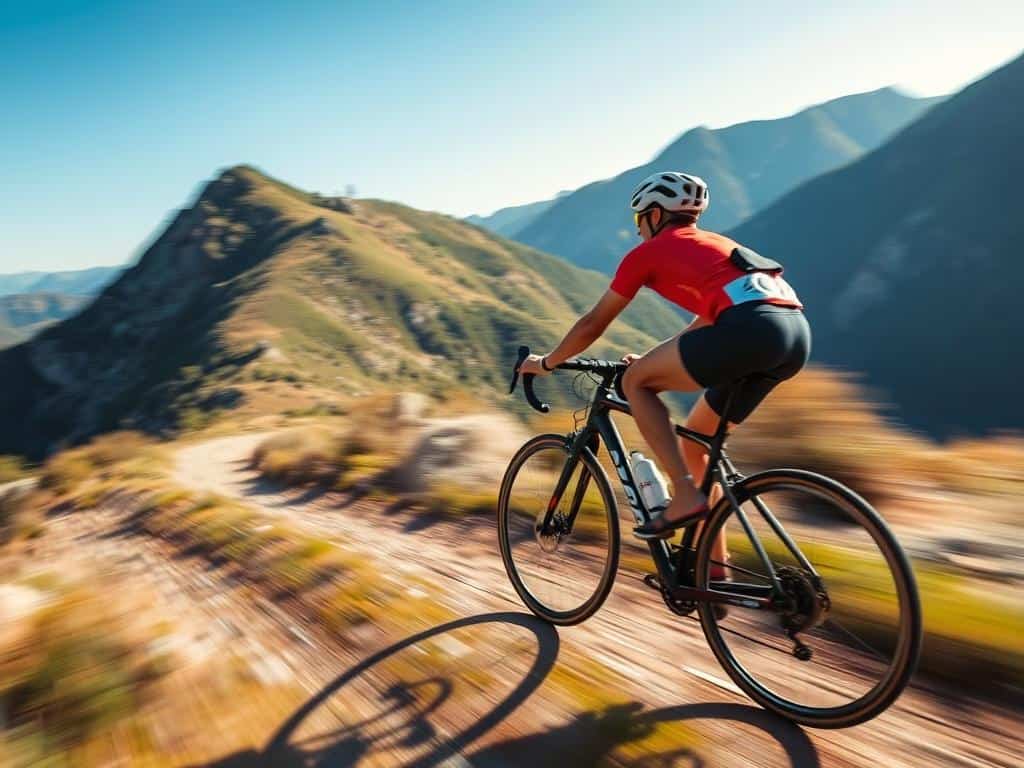
Panning photography is a unique blend of motion and art. It involves moving the camera with the subject, keeping them sharp while blurring the background. This technique is great for capturing fast-paced scenes in creative photography.
What is Panning Photography?
Panning photography is a way to follow moving subjects with your camera. You use a slower shutter speed to get sharp images of the subject against a blurred background. It turns simple shots into dynamic stories, perfect for action scenes.
The Importance of Panning for Motion Shots
Panning is key for capturing motion shots. It can make your photos feel alive and engaging. Getting it right might take many tries, but it’s worth it. Success rates are low, but the effort pays off.
How Panning Enhances Travel Photography
In travel photography, panning brings scenes to life. It’s great for capturing the energy of markets or street performances. By mastering panning, you can share your unique experiences and cultures with others.
Techniques for Capturing Stunning Action Shots
Capturing action shots needs precision and technique. I start by picking the right shutter speed, key for dynamic panning images. A shutter speed of about 1/60 seconds works for most moving subjects. But, it might change based on how fast the subject moves.
For fast subjects like cars or athletes, I use 1/125 seconds. Slower subjects, like joggers, might need 1/30 seconds. Trying different shutter speeds helps get better images.
Choosing the Right Shutter Speed for Panning
Finding the right shutter speed is key for panning. I start with 1/30 to 1/80 seconds. This range gives the right blur while keeping the subject sharp. Using burst mode increases my chances of getting the perfect shot.
For dramatic panning, I use a 70-200mm telephoto lens. It adds depth and interest to the action.
Camera Settings to Optimize Panning Results
To get the best panning results, I use Shutter Priority mode. This lets me control the shutter speed while the camera adjusts other settings. I keep the ISO at 100 and the aperture at f/8, or adjust as needed, for good exposure.
In low light, a larger aperture helps get faster shutter speeds. Using a tripod to stabilize the camera is also key. It reduces shake and improves sharpness.
Using Autofocus Modes for Better Focus Accuracy
Accurate focus on fast subjects is critical in action photography. I use continuous autofocus modes like AF-C on Nikon and Sony, or AI-Servo on Canon. These modes track the subject’s movement, improving focus accuracy.
Practicing with different autofocus techniques helps me get better at capturing sharp panning images.
Ideal Locations to Practice Panning This Travel Season
Exploring different places really boosts my panning skills. Each spot offers a unique vibe, showing off local culture and perfect for capturing movement.
Capturing Movement in Bustling Souks of Marrakesh
The souks of Marrakesh are thrilling for panning photos. The area is alive with colors, sounds, and movement. It’s filled with artisan crafts and motorbikes, making for amazing shots.
Early evening is the best time to go. The light is just right, capturing the market’s energy.
Dynamic Surfing at Uluwatu, Bali
Uluwatu in Bali is known for its stunning surfing. I set up on cliffs to catch surfers in action. The best times are early mornings or late afternoons for soft, perfect light.
The ocean’s thrill adds excitement to my photos.
Action Shots of Bicyclists in Amsterdam
Amsterdam is great for panning, thanks to its cycling culture. I love shooting bicyclists in the historic streets. Mornings offer amazing light, showing off the city’s beauty and cycling culture.
The mix of movement and scenery makes for stunning photos.
Unique Experiences in Whale Watching in Reykjavík
Reykjavík is perfect for panning with its whale watching. Seeing humpback whales breach against fjord backgrounds is both challenging and rewarding. Summer months make it even more exciting.
Despite the boat’s motion, capturing these creatures in action is unforgettable.
Conclusion
Mastering panning photography has made my travel photos come alive. It turns ordinary scenes into stories full of energy and emotion. By using the right shutter speeds, like starting at 1/30 second, I can blur backgrounds and keep subjects sharp.
Practicing panning in different places, like bike races or city streets, helps me get better. Each time I follow a moving subject, I improve my skills and style. The secret is in the details, like matching camera speed to subject speed, for better focus.
Through panning, my travels inspire me to capture moments in motion. With each trip, I challenge myself to do better. Mastering panning photography shows me that every photo can tell an exciting story, capturing the beauty of our world.
