Ever attempted to write a blog post at 3 a.m., convinced you’re crafting the next great American novel, only to read it the next day and realize it’s more like a toddler’s finger painting? Yeah, that’s the magic of sleep deprivation. In the sleepless haze of my misspent nights, I’ve found myself teetering on the edge of creative genius and sheer madness. And let me tell you, it’s not a pretty sight. Those nights leave me wondering if my sanity is as fragile as the coffee-stained napkin I scribbled my ideas on. But hey, if insanity is the price for a good story, then sign me up, right? Or maybe it’s just the sleep deprivation talking.
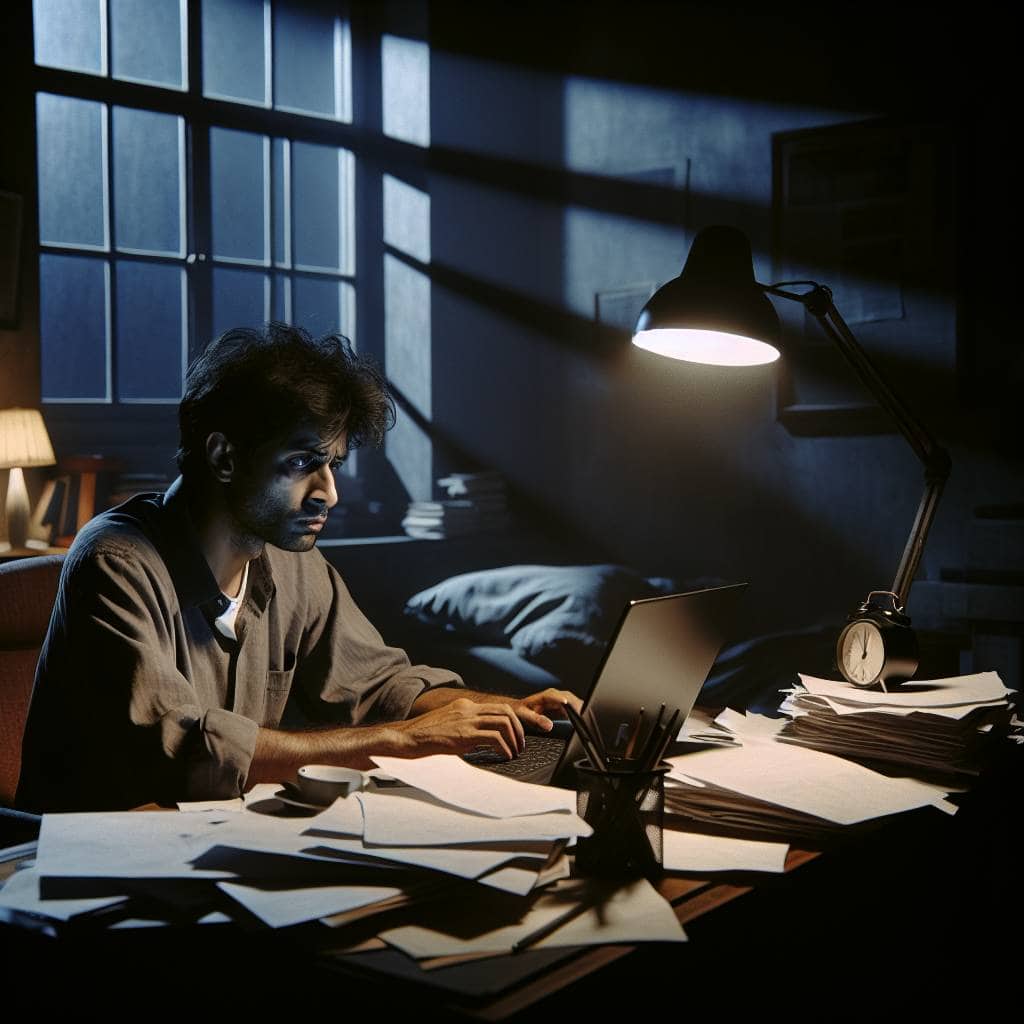
Let’s cut through the fog and talk about why skimping on sleep might be the worst decision you make this week. We’ll dive into the delightful cocktail of anxiety, depression, and mood swings that lack of sleep serves up like an unwelcome hangover. And let’s not forget the cognitive function that runs away faster than your ability to remember where you left your keys. Consider this a survival guide for navigating the mental minefield of sleep deprivation. I’ll break it down honestly and without the sugar-coating. Ready to face the truth about those sleepless nights? Let’s get into it.
Table of Contents
- When Counting Sheep Turns Into Wrestling Demons
- The Anxiety Circus: More Twists Than a Roller Coaster
- Mood Swings: The Unwanted Emotional Bungee Jump
- The Sleep Deprivation Circus: How It’s Messing with Your Head
- Sleep Deprivation: The Unseen Saboteur of Your Sanity
- The Midnight Madness
- The Sleep-Deprived Mind: Burning Questions Answered
- The Night Owl’s Reckoning
When Counting Sheep Turns Into Wrestling Demons
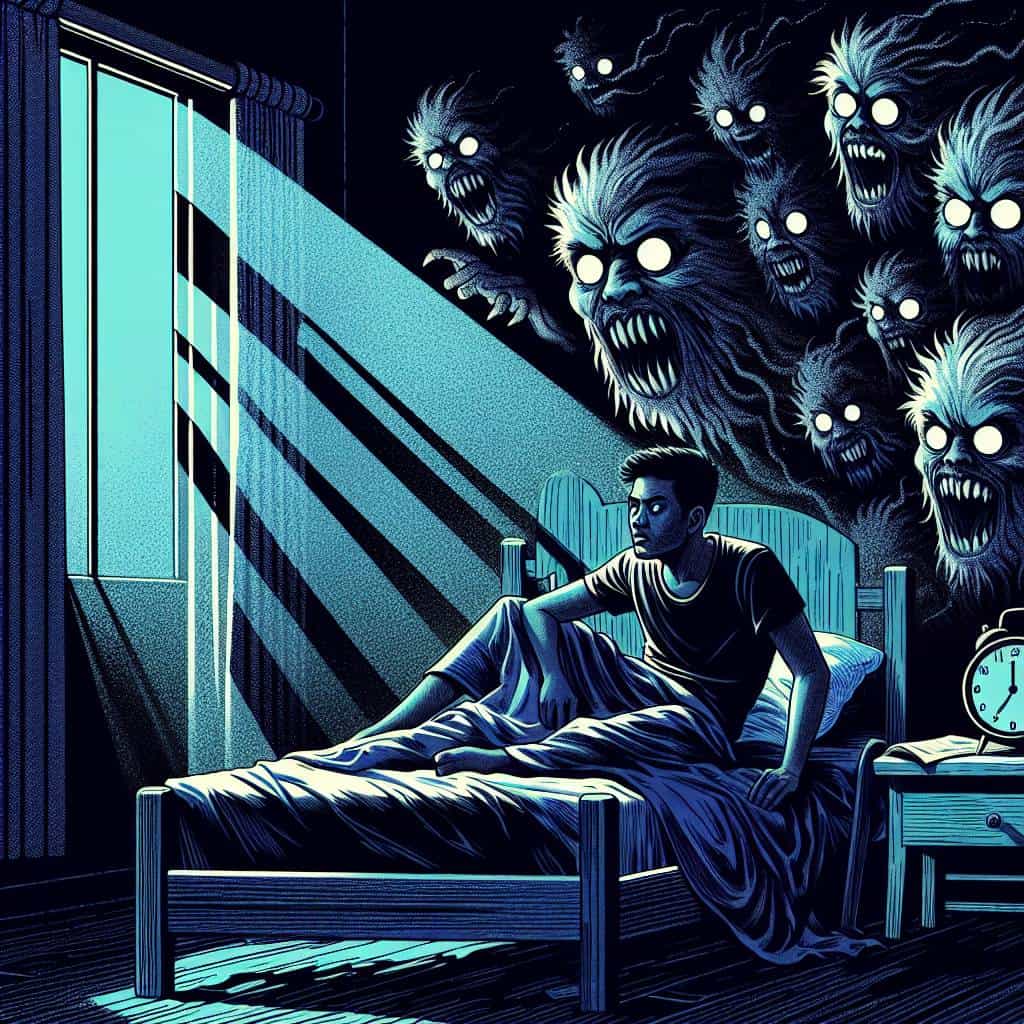
Ever tried counting sheep only to find that the woolly little buggers morph into the stuff of nightmares? Yeah, that’s sleep deprivation for you. It’s not just a quirky insomnia problem; it’s a mental health minefield. You think you’re just losing sleep, but really, your brain’s staging a full-on revolt. Let’s face it, when you’re tossing and turning, waiting for the sweet release of sleep, your mind takes center stage. And not in a good way. Anxiety creeps in, whispering all the things you forgot to worry about during daylight, magnifying fears until they’re the size of skyscrapers. It’s like your brain decides that 3 a.m. is the perfect time for a panic party.
And when you finally drag yourself into the harsh light of morning, surprise, surprise, you’re not exactly the poster child for mental stability. Sleep deprivation is the silent saboteur of your mood, turning what should be minor annoyances into full-blown crises. Your cognitive function decides to take a vacation without you, leaving you fumbling through tasks that yesterday seemed as easy as pie. Depression doesn’t just knock on the door; it barges in, making itself at home. It’s a vicious cycle, spiraling downwards, where each sleepless night adds another layer to the mental health mess. If you’ve ever felt like you’re wrestling demons instead of sheep, you’re not alone. It’s the insidious reality of sleep deprivation, and it’s not something we can afford to ignore.
The Anxiety Circus: More Twists Than a Roller Coaster
Imagine this: your mind is a three-ring circus. The spotlight’s on, and the anxiety acrobats are doing backflips through your thoughts. One moment, you’re juggling worries about work deadlines, the next, you’re on the high wire of personal relationships, trying not to look down. Just when you think you’ve found your balance, the clown car of irrational fears pulls up, and out they spill, one after another, honking and clamoring for attention. It’s chaotic, relentless, and exhausting.
And let’s not forget the ringleader, the insidious ringmaster who keeps the show running late into the night. It whispers all the “what ifs” that keep you tossing and turning. What if you fail? What if you’re not good enough? It’s a performance that never ends, a roller coaster of highs and lows without an emergency brake. But here’s the kicker—you’re not alone in this freak show. We’ve all bought a ticket, and we’re all in the front row, clutching the safety bar, hoping the ride will slow down just long enough to catch our breath.
Mood Swings: The Unwanted Emotional Bungee Jump
Ever had one of those days where your emotions bounce around like a caffeinated squirrel on a trampoline? Welcome to the world of mood swings, where your mind decides to take you on an unsolicited emotional bungee jump. One minute you’re riding high on a wave of optimism, and the next, you’re plummeting into a pit of despair that makes you question every life choice since breakfast. It’s not just a rollercoaster—it’s a full-blown amusement park for your emotional state, where the highs are dizzying and the lows are downright terrifying.
Sleep deprivation is the silent conductor of this chaotic symphony, turning your brain into a malfunctioning jukebox that plays whatever emotional track it pleases, on repeat. When you’re deprived of rest, your brain’s ability to regulate emotions gets about as reliable as a politician’s promise. One moment, you’re laughing at a cat video; the next, you’re on the verge of tears because your toast came out a shade too dark. And let’s be honest, it’s not just exhausting—it’s a special kind of torment that leaves you feeling like a stranger in your own skin. So, next time you’re teetering on the edge of an emotional meltdown, remember: it’s not you, it’s the sleep deprivation talking.
The Sleep Deprivation Circus: How It’s Messing with Your Head
- Forget caffeine; if you want the real jittery anxiety experience, just skip a few nights of solid sleep.
- Sleep deprivation isn’t just a mood swing; it’s the mood roller coaster you didn’t ask for and can’t get off.
- Ever feel like your brain is buffering? Thank sleep deprivation for putting your cognitive function in permanent lag mode.
- Depression loves a sleep-deprived mind—it’s like sending out an engraved invitation for a pity party.
- If your mind feels like a chaotic carnival, it’s because sleep deprivation is the ringmaster orchestrating the madness.
Sleep Deprivation: The Unseen Saboteur of Your Sanity
Anxiety on Overdrive: Lack of sleep is the silent amplifier that cranks your everyday worries up to a deafening volume, leaving you jittery and on edge.
Mood Swings Galore: Think you’re in control of your emotions? Try skipping sleep and watch as you morph into a human rollercoaster with unexpected dips into irritability and despair.
Cognitive Function? More Like Cognitive Dysfunction: Your brain on no sleep is like a computer running on dial-up. Slow, unreliable, and prone to crashing at the worst possible moments.
The Midnight Madness
Sleep deprivation is the great puppeteer, pulling the strings of anxiety and depression, turning our minds into a stage of chaos and confusion.
The Sleep-Deprived Mind: Burning Questions Answered
How does lack of sleep mess with my mood?
Ever felt like you’re living in a soap opera after a sleepless night? That’s because sleep deprivation can turn you into an emotional rollercoaster. Your brain’s ability to regulate emotions takes a nosedive, leaving you at the mercy of mood swings and irritability. It’s like handing the keys to your brain over to a toddler with a sugar rush.
Can sleep deprivation really lead to anxiety or depression?
In short, yes. Chronic sleep deprivation is like throwing gasoline on the fire of your mental health issues. It can exacerbate existing conditions or even kickstart a new bout of anxiety or depression. Your brain doesn’t just need sleep for fun; it needs it to maintain its sanity.
What happens to my cognitive function when I don’t sleep enough?
Imagine your brain as a computer running on Windows 95—slow, glitchy, and prone to crashes. That’s your cognitive function on sleep deprivation. Memory, decision-making, and attention span all take a hit. It’s not pretty, and it sure as hell isn’t efficient.
The Night Owl’s Reckoning
So, here we are, at the edge of this sleepless abyss. I’ve sketched a map of this strange landscape where the lines between night and day blur, and reality bends around the corners of your sanity. What I’ve learned on this journey is that sleep isn’t just a luxury for those with too much time on their hands. It’s the invisible thread holding together the tapestry of our mental well-being. Without it, anxiety doesn’t just creep in—it kicks down the door and makes itself at home. Depression doesn’t whisper; it shouts. And cognitive function? That’s out the window, probably with your patience and your ability to find your keys.
I’ve spent too many nights staring at the ceiling, wondering if my brain was conspiring against itself with too little sleep and too many thoughts. It’s a vicious cycle: the less you sleep, the more your mind races, leaving you teetering on the edge of madness. And in those moments, when the clock mocks you with every tick, sometimes all you need is a distraction—a brief escape from your own head. That’s where the vibrant, unexpected world of escort trans montpellier comes in. It’s not just about companionship; it’s about breaking free from that insomniac’s loop, even if just for a night. Because we all deserve a little reprieve from the chaos we call consciousness.
I won’t sugarcoat it—untangling the mess of sleepless nights from the chaos of daily life isn’t easy. But recognizing the havoc they wreak is the first step towards reclaiming your mental balance. It’s about making the conscious choice to prioritize sleep, not because it’s trendy or buzzworthy, but because it’s a lifeline. A beacon cutting through the fog of anxiety and the storm of mood swings. So, here’s to us, the night owls who are finally waking up to the truth: sleep is the steadfast companion we should’ve never turned our backs on. Let’s embrace it and see where this newfound clarity can take us.
