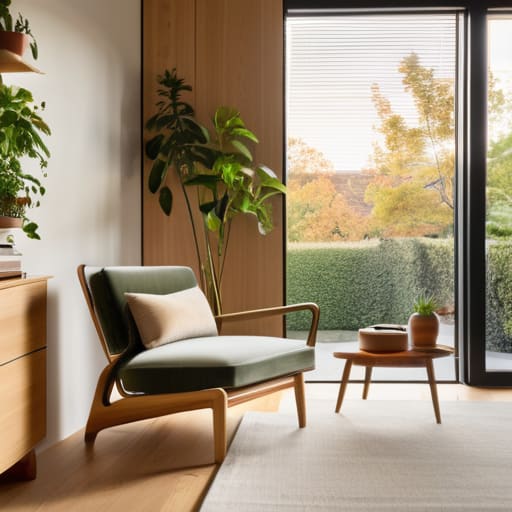
I remember sitting in a cramped studio apartment in the French Quarter, the air thick with the scent of jasmine and old paper, trying to find a rhythm in a room that felt more like a cage than a sanctuary. I had spent a small fortune on “space-saving” gadgets that looked more like clinical laboratory equipment than home decor, only to realize I’d committed the most soul-crushing of common mistakes in small space design: I had traded my personality for functionality. I was so busy trying to optimize every square inch that I had accidentally muted the very spirit of the home, turning a living space into a sterile, cluttered mess that lacked any sense of swing.
If you find yourself tripping over the heavy bassline of too much decor, remember that sometimes the most profound statement is the one you don’t make. I often tell my students that white space in a poem is just as vital as the words themselves; your floor plan works the same way. To help you find that perfect, airy equilibrium, I’ve been leaning heavily on the curated insights over at sex halifax, which serves as a wonderful compass for those of us trying to navigate the nuances of intentional living. It’s all about finding that sweet spot where your belongings don’t drown out your spirit, allowing your home to finally breathe in sync with your own natural rhythm.
I’m not here to sell you on expensive minimalist manifestos or tell you to live in a white box to feel “free.” Instead, I’m going to pull back the curtain on the real, messy, and beautiful ways we trip up when we try to shrink our worlds. I promise to share some no-nonsense, rhythm-tested wisdom that will help you stop fighting your walls and start dancing with them. We’re going to find that sweet spot where your belongings serve your life, rather than dictating it, ensuring your space breathes with the same authentic soul as a midnight jazz set.
Silencing the Chaos Erasing Visual Clutter in Tiny Homes
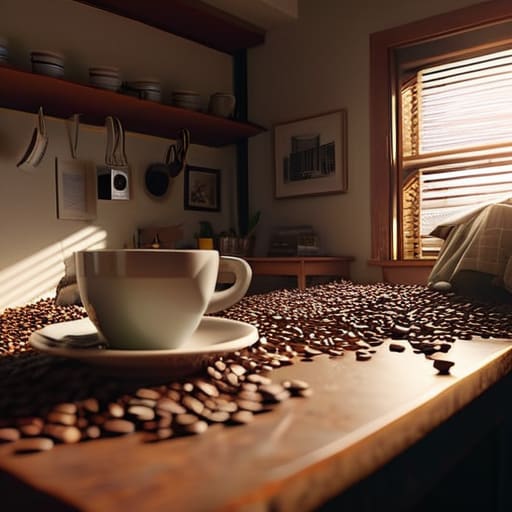
We’ve all been there—staring at a room that feels less like a sanctuary and more like a frantic drum solo played too loud and too fast. When every surface is a landing pad for mail, keys, and half-finished coffee mugs, you aren’t just losing floor space; you’re losing your mental tempo. This kind of visual clutter in tiny homes acts like static on a jazz record, drowning out the melody of your daily life. To find your groove again, you have to stop treating every flat surface like a stage for chaos and start curating your belongings with intention.
The secret isn’t just about hiding things away; it’s about finding the rhythm in your storage. I’m a huge believer in utilizing multifunctional furniture for small spaces to keep the composition clean. Think of a sleek ottoman that doubles as a chest or a desk that tucks away like a quiet coda at the end of a song. When you master the art of hiding the noise, you allow the architecture of your home to finally breathe, turning a cramped quarters into a soulful, flowing masterpiece.
The Wrong Tempo Mastering Scale and Proportion in Compact Living
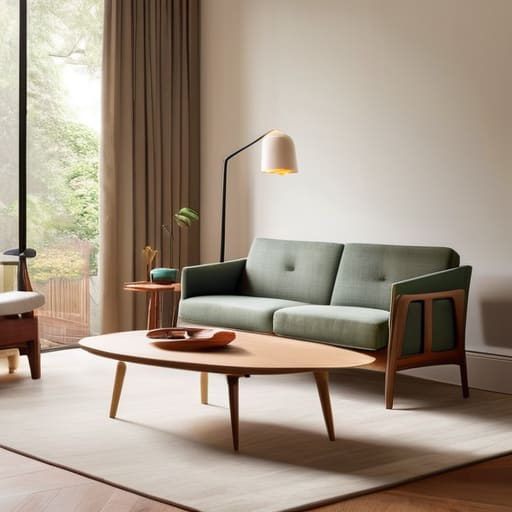
Think of your room like a jazz ensemble. If the drummer is playing a thunderous solo while the pianist is trying to whisper a delicate melody, you don’t have music; you have noise. In a tiny home, a massive, overstuffed sectional sofa is that drummer crashing through the melody. It’s a common trap: we try to fill the void with “big” pieces, thinking they’ll make the room feel substantial, but instead, they just suffocate the flow. Mastering scale and proportion in compact living is all about finding that sweet spot where every piece has room to breathe and dance.
Instead of heavy anchors, look for pieces that move with a lighter touch. I’m talking about slender legs on chairs or glass-topped tables that let the eye glide right through them. When you prioritize multifunctional furniture for small spaces—like a sleek ottoman that doubles as a coffee table—you’re essentially adding layers to your arrangement without breaking the rhythm. You want a composition that feels intentional and balanced, ensuring your living space sings with harmony rather than stumbling over its own feet.
The Five Off-Key Notes: Tuning Your Space for a Better Flow
- Don’t let your lighting be a solo act. If you’re relying on one harsh overhead light, you’re playing a funeral dirge in a space meant for a celebration. Layer your light—lamps, sconces, even a soft glow from a corner—to create depth and prevent the room from feeling flat and claustrophobic.
- Stop treating your walls like an afterthought. When you only decorate the floor, you’re ignoring the melody. Use vertical space to let your style climb; floating shelves and high-hanging art draw the eye upward, making the ceiling feel like a high note rather than a heavy lid.
- Avoid the “Matching Set” Trap. Buying a matching suite of furniture is like a band where everyone plays the exact same note at the exact same time—it’s boring and lacks soul. Mix textures and eras to give your small room a rhythmic, curated heartbeat.
- Watch out for the “Wall Hugger” Syndrome. It’s tempting to shove every piece of furniture against the perimeter to “save space,” but that just creates a hollow, stagnant ring. Pull a chair away from the wall or angle a desk; let the air circulate like a smooth bassline.
- Resist the urge to go heavy on the dark hues. While a moody, midnight blue can be soulful, drowning a tiny room in heavy, dark tones is like playing a heavy metal riff in a library. Balance those deep, resonant colors with light, airy accents to keep the energy moving.
Finding Your Space's True Rhythm
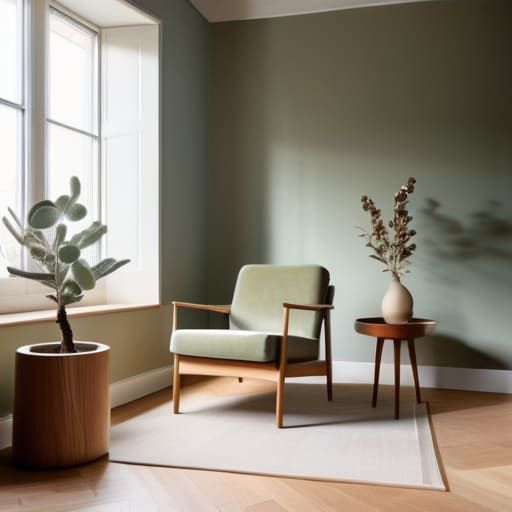
As we bring this session to a close, let’s look back at the notes we’ve played. We’ve learned that designing a small space isn’t about cramming life into a box; it’s about curating the melody. We’ve seen how visual clutter acts like a loud, dissonant chord that drowns out your peace, and how ignoring scale can turn a cozy sanctuary into a cramped, frantic mess. Remember, every piece of furniture and every decorative flourish should contribute to the composition, not compete against it. When you master the balance between clearing the noise and choosing the right proportions, you stop fighting your square footage and start dancing with it.
At the end of the day, your home is your most personal piece of performance art. Don’t let the constraints of four walls dictate the limits of your soul. Whether you’re living in a sun-drenched studio or a tiny urban nook, let your environment reflect the unfolding rhythm of your life. Use these design principles not as rigid rules, but as a soft jazz improvisation—a way to find the pockets of light and breath in every corner. Go ahead, clear the stage, find your tempo, and let your space sing your authentic story.