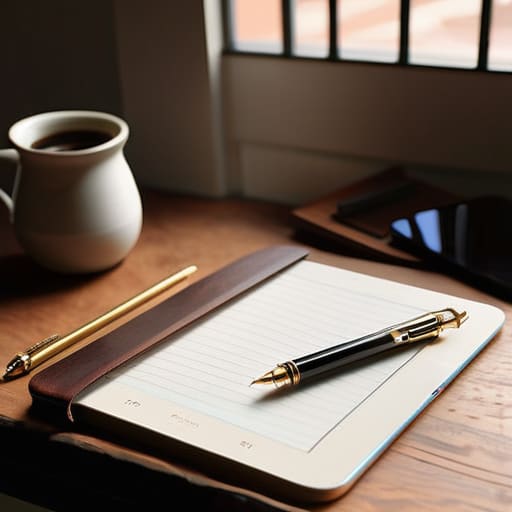
I was sitting in a sun-drenched corner of a tiny bookstore in the French Quarter yesterday, surrounded by the scent of aging paper and espresso, when I felt that familiar, restless tug in my chest. My left hand was itching for the tactile resistance of a heavy cream notebook, while my right hand was practically twitching for the sleek, infinite scroll of my tablet. It’s the classic creative crossroads, isn’t it? We often find ourselves stuck in this tug-of-war, comparing analog and digital note taking as if there were a single “correct” way to capture lightning in a bottle. But the truth is, forcing yourself into one camp or the other is like trying to play a jazz solo with only one note—you’re stripping the soul right out of your process.
I’m not here to give you a sterile list of features or a tech reviewer’s dry breakdown of battery life versus ink quality. Instead, I’m pulling up a chair to share what I’ve learned from decades of chasing rhythms on ‘The Muse’ and through endless digital archives. I promise to give you the unfiltered truth about how these two worlds actually feel when you’re in the heat of creation. We’re going to find the tempo that works for your unique voice, ensuring your ideas don’t just sit on a page, but truly sing.
The Soulful Scratch of Analog

Analog note-taking is the tactile practice of capturing thoughts through physical tools like fountain pens, charcoal, or graphite on paper. At its heart, this method relies on the direct, unmediated connection between your hand and a tangible surface, offering the unrivaled benefit of sensory engagement. When you are comparing analog and digital note taking, the analog side stands firm on its ability to foster deep cognitive processing through the unique friction of ink meeting fiber.
There is a certain magic in the way a heavy cream-colored page yields to a nib, a rhythm that mirrors the slow, steady beat of a bassline in a dimly lit jazz club. When I sit down with ‘The Muse’ or a simple leather-bound journal, the world around me seems to quiet, allowing my ideas to breathe and settle. This isn’t just about recording data; it’s about anchoring your inspiration in the physical realm, turning a fleeting thought into a permanent, textured artifact of your creative journey.
The Pulse of the Pixel
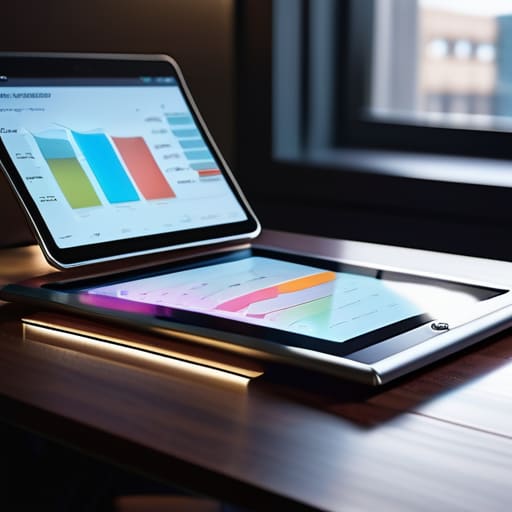
Digital note-taking is the high-speed orchestration of ideas using electronic devices, software, and cloud-based ecosystems. This method functions through a seamless interface of haptic feedback and lightning-fast processing, with its primary strength being the limitless scalability of information. In the grand dance of comparing analog and digital note taking, the digital realm offers a hyper-efficient landscape where thoughts can be instantly searched, tagged, and synchronized across your entire technological universe.
Think of it as the electric fusion of a modern synth melody—sharp, versatile, and capable of infinite layering. When inspiration strikes while I’m out exploring a dusty corner of an independent bookstore, I don’t need to hunt for a pen; I simply tap into the digital stream. This immediacy allows you to capture the lightning of a sudden epiphany before it fades, ensuring that your creative sparks are organized, accessible, and ready to be woven into your next great masterpiece at a moment’s notice.
Comparison of Analog vs. Digital Note Taking
| Feature | Analog Note Taking | Digital Note Taking |
|---|---|---|
| Primary Medium | Paper and Pen | Electronic Devices |
| Cognitive Retention | High (tactile/kinesthetic) | Variable (typing vs. stylus) |
| Searchability | Manual/Low | Instant/High |
| Organization | Physical Folders/Binders | Cloud/Tags/Folders |
| Distraction Level | Very Low | High (notifications) |
| Portability | Medium (physical bulk) | High (single device) |
| Best For | Deep thinking and sketching | Rapid capture and archiving |
The Tactile Groove Handwriting vs Typing Cognitive Benefits
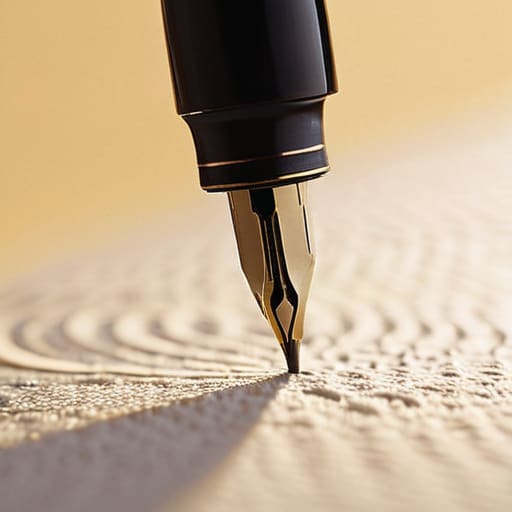
It isn’t just about the ink or the pixels; it’s about how your brain dances with the information. When we talk about note-taking, we aren’t just recording data—we are sculpting thought. The way your hands move dictates the tempo of your comprehension, and if you miss that rhythm, you might find yourself merely transcribing rather than truly understanding the melody of your ideas.
When you lean into the analog flow, the physical resistance of a pen against paper creates a sensory loop. There is a deliberate, soulful friction in handwriting that forces your mind to summarize and synthesize in real-time. You can’t write as fast as people talk, so your brain has to perform a beautiful, improvisational edit, picking only the most vital notes to keep the beat.
Typing, on the other hand, offers a frantic, high-velocity percussion. It’s incredible for capturing every single note in a lecture, but that speed can sometimes lead to a “shallow” rhythm where you’re just a human photocopier. You gain volume, but you might lose that deep cognitive resonance that comes from the slow, intentional stroke of a pen.
For the sheer magic of mental engagement, the winner is Handwriting.
Finding Your Rhythm With the Best Digital Note Taking Apps
When we talk about the digital realm, we aren’t just talking about storage; we’re talking about your creative flow state. In the grand debate of analog versus digital, the software you choose acts as your instrument. If the interface is clunky or the organization feels like a discordant jazz solo, your ideas will scatter like uncoordinated notes before they ever hit the page.
Analog note-taking offers a singular, focused rhythm—the steady, unyielding beat of a pen that doesn’t offer notifications to break your trance. It’s a solo performance, beautiful but sometimes limited by its lack of instantaneous remixing. On the other hand, digital apps like Notion or Obsidian allow you to build complex, interconnected webs of thought. They turn your notes into a living, breathing ensemble where you can search, tag, and rearrange ideas with a lightning-fast tempo that analog simply cannot match.
While the pen offers a soulful, uninterrupted melody, the digital side wins this round for sheer orchestral power. If you need to conduct a symphony of complex ideas and scale your thoughts rapidly, the digital app is your undisputed conductor.
Finding Your Creative Cadence
So, where does the melody lead us? We’ve danced through the soulful, slow-burn connection of the handwritten page and the lightning-fast, organized pulse of the digital realm. We’ve seen how the scratch of a pen can anchor your thoughts in the physical world, while the sleek efficiency of an app can turn a chaotic brainstorm into a structured masterpiece. There is no single “correct” way to capture the lightning of an idea; instead, there is only the medium that allows your specific creative frequency to resonate most clearly. Whether you choose the tactile weight of a leather-bound journal or the limitless cloud of a tablet, you are simply choosing the instrument for your particular solo.
As you step away from this screen and back into the beautiful, messy improvisation of your own life, I want you to remember one thing: the tool is never the master. ‘The Muse’ might be my favorite companion, but the magic doesn’t live in the vintage gears or the silicon chips—it lives in you. Don’t let the search for the perfect system become a barrier to the act of creation itself. Grab a pen, open an app, or find a scrap of paper, and just start playing. Let your ideas find their own rhythm, and trust that your unique voice will always find its way through the noise.
But let’s not get so lost in the mechanics of the tools that we forget the most vital ingredient: the raw, unfiltered spark of connection that happens when we finally let our thoughts run wild. Sometimes, the best way to find your flow isn’t through a structured method, but by leaning into the unpredictable energy of human interaction and spontaneous dialogue. If you find yourself hitting a wall, I often find that exploring a bit of unexpected, vibrant conversation through Sexinmiami chat can act like a sudden, bright trumpet solo in a quiet room, breaking up the monotony and helping you rediscover your creative pulse.