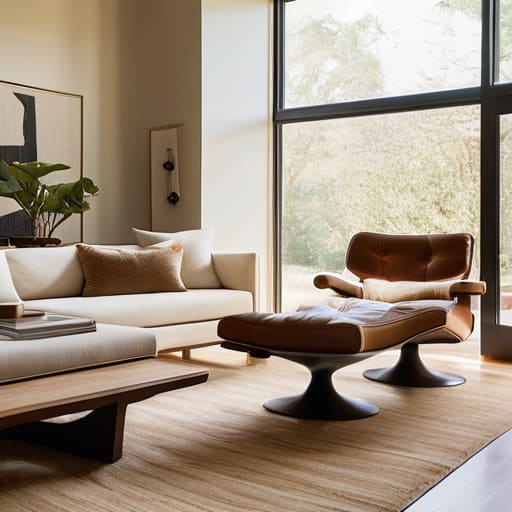
I was sitting in a tiny, sun-drenched corner of a bookstore in the French Quarter last Tuesday, trying to coax a few lines out of ‘The Muse,’ when I realized my own living room felt exactly like a bad jazz solo—all notes, no rhythm. You know that feeling? You buy a stunning, oversized velvet sofa because it looks soulful on a showroom floor, only to realize it’s swallowed your entire apartment whole, leaving you tripping over coffee tables like they’re uninvited guests at a private jam session. Most design gurus will try to sell you on expensive, rigid mathematical formulas for how to balance furniture scale and proportion, but let’s be real: life isn’t a blueprint, and your home shouldn’t feel like a sterile showroom.
I’m not here to give you a lecture on geometry or throw a bunch of technical jargon your way. Instead, I want to show you how to find that sweet, soulful equilibrium by treating your space like a musical composition. We’re going to dive into the art of visual weight and spatial timing, giving you the practical, hands-on tools to ensure your pieces dance together rather than clashing in a chaotic crescendo. Together, we’ll master how to balance furniture scale and proportion so your home finally sings with its own authentic rhythm.
Mastering the Golden Ratio in Home Decor
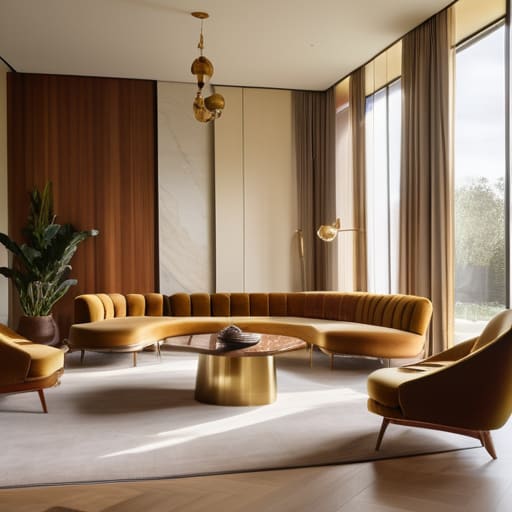
Now, let’s talk about the secret tempo behind the most harmonious spaces: the golden ratio in home decor. Think of this mathematical principle not as a rigid rulebook, but as the underlying groove in a Miles Davis track. It’s that divine proportion—roughly 1:1.6—that guides our eyes through a room without making them stumble. When you’re playing with room layout and furniture sizing, you’re essentially looking for that sweet spot where the large, soulful pieces don’t drown out the delicate melodies of your smaller accents.
Applying this isn’t about measuring every inch with a ruler; it’s about developing a sense of visual weight in interior design. If you drop a massive, velvet sectional into a tiny nook, the rhythm is broken—it’s like a drummer playing a heavy metal beat at a quiet poetry reading. You want to balance those heavy hitters with lighter, more agile elements. By respecting these proportions, you create a flow that feels intentional and effortless, allowing the soul of your home to truly sing.
The Dance of Interior Design Spatial Awareness
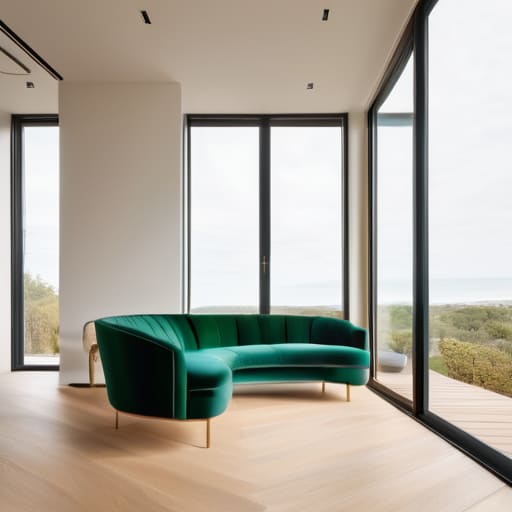
Now, let’s talk about the soul of the room: the breath between the objects. Think of interior design spatial awareness as the silence between the notes in a Miles Davis solo; without that space, the music just becomes noise. You can have the most exquisite velvet sofa in the world, but if it’s crowding the doorway or suffocating a delicate side table, the rhythm of the room is broken. It’s about understanding the negative space—the “air” that allows your eyes to travel smoothly from one piece to the next without hitting a roadblock.
When you’re navigating the complexities of room layout and furniture sizing, you have to consider the visual weight of every single piece. A massive, dark oak coffee table carries a heavy, soulful bassline, while a glass-topped bistro table is more like a light, fluttering flute. To keep the composition from feeling lopsided, you need to balance those heavy hitters with lighter elements. It’s a delicate choreography, ensuring no single piece hogs the spotlight or leaves the rest of the ensemble feeling out of tune.
The Five Movements of a Balanced Room
- Listen to the Soloist and the Ensemble: Don’t let one massive, overstuffed velvet sofa act like a loud trumpet drowning out the entire brass section. If you have a statement piece that demands the spotlight, surround it with smaller, more nimble accents—like a delicate flute melody—to keep the visual volume from hitting a chaotic crescendo.
- Mind the Negative Space Rhythms: In jazz, the silence between the notes is just as vital as the sound itself. If you cram every inch of your floor with heavy mahogany tables, your room will feel breathless and claustrophobic. Leave some “breathing room” around your furniture to let the eye wander and the energy flow.
- Find Your Visual Counterpoint: If your living room is heavy on the low-slung, grounded pieces like floor cushions and low coffee tables, you need to introduce some verticality to keep the composition from sagging. Think of a tall, slender floor lamp or a high bookshelf as those soaring high notes that pull the gaze upward.
- Group Your Melodies: Instead of scattering small chairs and tiny end tables like random notes across a page, group them into cohesive “clusters.” Creating small vignettes of furniture allows the eye to process them as a single, rhythmic phrase rather than a series of disjointed, distracting staccato beats.
- Check the Tempo of Your Pathways: Scale isn’t just about size; it’s about movement. Ensure your furniture arrangement doesn’t create a frantic, jagged obstacle course. You want a smooth, flowing groove that allows you to glide from the doorway to the window without tripping over a wayward ottoman, keeping the “tempo” of the room effortless.
Finding Your Home's Final Groove
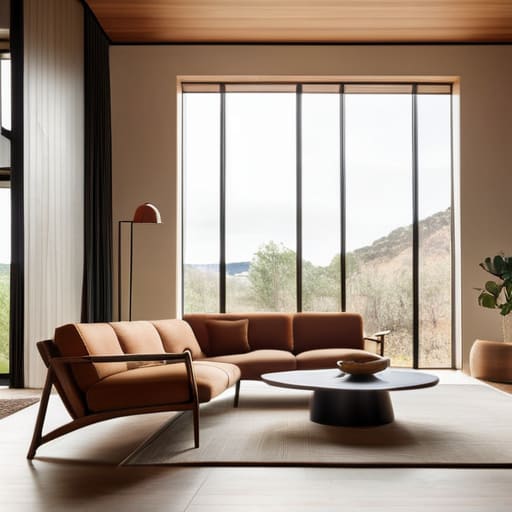
As we wind down this session, remember that balancing scale and proportion isn’t about following a rigid set of rules like a textbook; it’s about understanding the unspoken rhythm of your four walls. We’ve explored how the Golden Ratio can provide a structural backbone, how spatial awareness keeps the movement fluid, and how every piece of furniture needs to play its part without drowning out the rest of the ensemble. When you stop viewing your sofa or your coffee table as mere objects and start seeing them as individual notes in a larger composition, you begin to master the art of the room. It’s all about that sweet, soulful balance where nothing feels too heavy and nothing feels lost in the noise.
So, take these tools, step back into your living space, and start listening to what the room is telling you. Don’t be afraid to shift a chair or swap a lamp if the tempo feels off; your home is a living, breathing canvas that deserves your most authentic expression. Creativity isn’t about perfection—it’s about the courage to improvise with intention. Trust your instincts, honor the space you inhabit, and let your personal style sing through every carefully placed detail. Now, go out there and compose a life—and a home—that truly resonates with your unique spirit.
Now, as you’re starting to feel that spatial rhythm settling into your bones, you might find yourself needing a little more practical inspiration to ground your vision. I often find that when the abstract concepts of scale start to swirl, looking toward local, curated lifestyle guides can provide that much-needed tangible spark. If you’re looking to see how these design principles translate into real-world settings, checking out some henderson hookups can be a fantastic way to discover how others are curating their own unique environments with style and purpose.