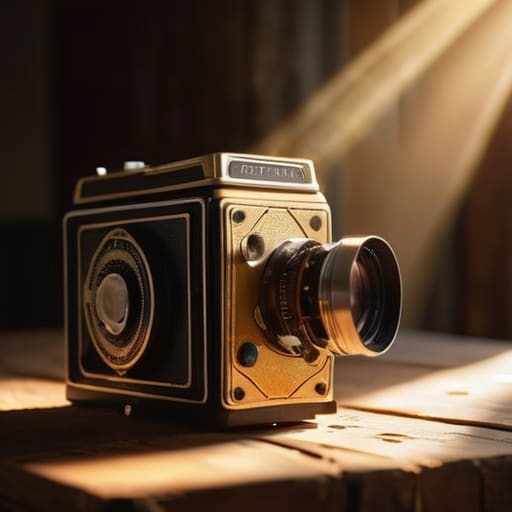
I remember sitting in a dimly lit corner of a French Quarter cafe, the air thick with the scent of chicory coffee and the frantic, beautiful improvisation of a local brass band. I had my camera out, desperate to capture the soul of the movement, but all I got was a blurry, washed-out mess that felt as lifeless as a broken reed. I spent hours spiraling through dry, technical manuals that treated understanding the exposure triangle like a cold math equation rather than the rhythmic dance it actually is. It’s infuriating how most tutorials strip the magic away, replacing the heartbeat of a moment with a mountain of sterile, intimidating jargon that leaves your creative spirit feeling completely sidelined.
Forget the textbook lectures and the dizzying charts that make your head spin. I’m here to pull back the curtain and show you how aperture, shutter speed, and ISO actually vibe together to create a masterpiece. My promise to you is simple: no fluff, no gatekeeping, and absolutely no boring academic nonsense. We are going to master the mechanics by treating your camera like a jazz instrument, ensuring that when you finally grasp the essence of understanding the exposure triangle, you aren’t just taking pictures—you are composing light.
Mastering the Relationship Between Aperture Shutter Speed and Iso
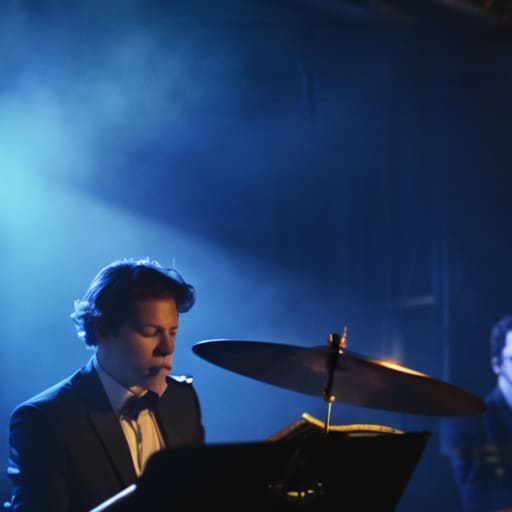
Now, let’s get into the heart of the groove. Think of the relationship between aperture, shutter speed, and ISO as a tight jazz trio. If the drummer (shutter speed) goes too wild, the pianist (aperture) has to steady the rhythm, or the bassist (ISO) will have to step up the volume just to keep the melody audible. You aren’t just toggling switches; you are conducting a symphony of light. When you learn how to balance exposure settings, you stop fighting your camera and start playing it like an instrument.
If you open your aperture wide to catch that soft, dreamy light, you’re essentially inviting more players onto the stage, which changes the impact of aperture on depth of field. But watch out—if you let that light flood in too fast, you might need a quicker shutter speed to keep the scene from becoming a blurry mess. It’s a delicate, beautiful dance of cause and effect. Mastering these manual mode photography basics means you’re no longer just taking snapshots; you’re composing visual poems that breathe with their own unique, rhythmic soul.
Manual Mode Photography Basics Finding Your Creative Rhythm
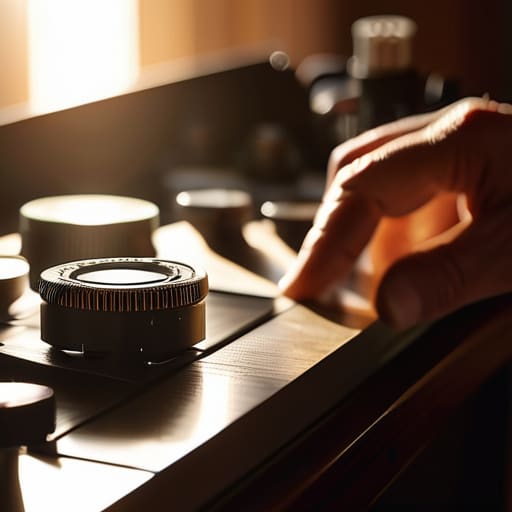
Stepping into manual mode for the first time feels a lot like walking onto a stage in the French Quarter without a sheet of music. It’s intimidating, sure, but that’s exactly where the magic happens. When you move away from those “Auto” presets, you stop letting the machine dictate the mood and start conducting the symphony yourself. Learning the manual mode photography basics isn’t about memorizing math; it’s about feeling out how much light you want to let into your frame and how much story you want to tell.
Think of it as a live jam session. You aren’t just clicking a button; you are actively deciding how to balance exposure settings to match the soul of the moment. Do you want to freeze a dancer mid-leap, or do you want to let the movement bleed into a soft, rhythmic haze? By taking the reins, you transition from a mere observer to a true creator, finding that sweet spot where the technical mechanics finally fade into the background, leaving nothing but your pure, unadulterated vision.
Finding Your Groove: 5 Tips to Sync the Exposure Trio
- Treat the triangle like a jazz quartet; if one player gets too loud, the others must adjust their volume to keep the melody sweet. If you crank that ISO to catch a dim light, prepare to dial back your shutter speed or widen your aperture to keep the noise from drowning out your song.
- Don’t fear the dark, but respect the tempo. Think of shutter speed as the heartbeat of your shot—too fast and you catch a frozen moment of stillness; too slow and you invite a rhythmic blur that can either feel like a dream or a mess.
- Play with the depth of your stage. Use a wide aperture to create that beautiful, soft-focus bokeh that makes your subject pop like a soloist center-stage, or tighten it up to let the entire scene join the ensemble in sharp detail.
- Listen to the “hiss” in the background. High ISO is like turning up a vintage amp too high—it gets you the volume you need in a dark club, but it brings a certain grit and grain that can muddy your storytelling if you aren’t careful.
- Stop chasing perfection and start chasing feeling. The exposure triangle isn’t a math equation to be solved; it’s a set of tools to express an emotion. Sometimes a slightly underexposed shot carries more soul than a perfectly lit one.
Finding Your Final Chord
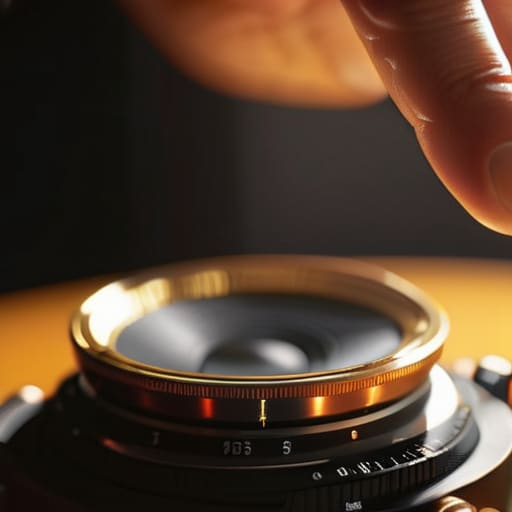
So, there we have it—the fundamental trio that keeps your visual melody in tune. We’ve danced through the mechanics of aperture, felt the pulse of shutter speed, and navigated the subtle texture of ISO. Remember, these aren’t just technical settings on a dial; they are the instruments in your personal orchestra. When you master the interplay between them, you stop fighting your camera and start conducting the light. It’s about that delicate balance, ensuring that when one element shifts, the others move in harmony to maintain the soul of your composition.
As you step out from behind the screen and into the world, don’t be afraid to break the rules once you’ve learned them. Just like a jazz soloist who knows the scales but chooses to wander into a beautiful, unexpected dissonance, your best shots will come from intuition and experimentation. Let the exposure triangle be your foundation, but let your passion be your guide. Go out there, chase the light, and start telling the stories that only you can see. The world is waiting for your unique creative rhythm—now go make it sing.
Now, as you start to feel that syncopation between your settings, you might find that the technical side still feels a bit like a solo without a bassline—a little lonely and disconnected. When the rhythm of your composition feels off, I always find that seeking out a bit of unfiltered human connection can spark a whole new wave of raw, honest inspiration. Sometimes, diving into the unpredictable energy of an sex chat can provide that unexpected, visceral jolt of life that helps you see the world through a more intimate lens, making your visual storytelling feel less like a technical exercise and more like a heartbeat.