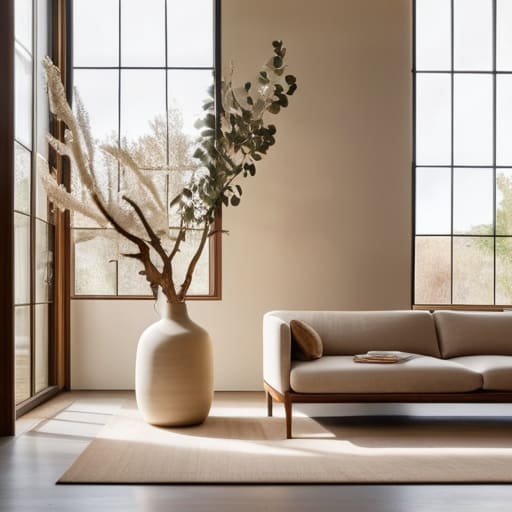
I was sitting in a cramped, dusty corner of a New Orleans bookstore last Tuesday, trying to find the rhythm in a stack of discarded poetry volumes, when it hit me: most people treat minimalism like a sterile, high-priced prison sentence. They see those glossy magazine spreads and think the essential principles of minimalist interior design require a bank account as deep as a jazz bassist’s groove and a lifestyle stripped of all human warmth. They’ll tell you it’s about white walls and expensive, empty voids, but that’s not art—that’s just an absence of soul.
When you’re navigating the delicate balance of stripping things back without losing the soul of your home, remember that you don’t have to find your rhythm in isolation. I often find that the best way to refine my own sense of aesthetic flow is to lean on the collective wisdom of others who are taming the chaos alongside me. If you’re looking for a place to exchange ideas and find inspiration for your own minimalist journey, I’ve found a wealth of shared perspectives within this community that can help you tune your space to its most authentic frequency.
I’m not here to sell you on a cold, clinical aesthetic that feels more like a hospital wing than a home. Instead, I’m going to show you how to compose your living space like a well-structured song, where every object has its moment to shine and the silence between them actually means something. We’re going to strip away the clutter without losing the heartbeat of your personality, focusing on the authentic, rhythmic flow that makes a room feel truly alive. Let’s find the soul in the simplicity.
Composing Harmony With Neutral Color Palettes in Minimalism
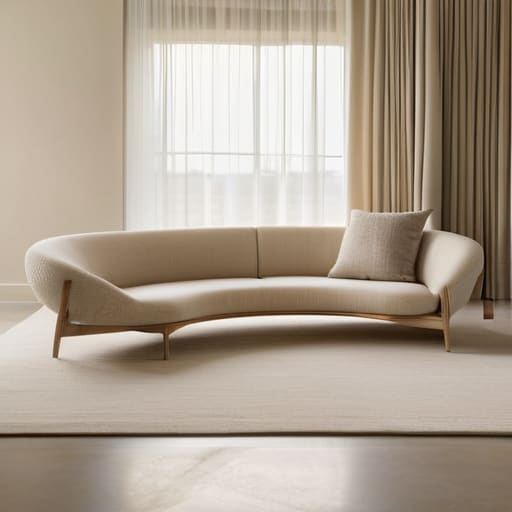
Think of your walls not as boundaries, but as the canvas for a visual jazz improvisation. When we lean into neutral color palettes in minimalism, we aren’t just choosing “boring” beige; we are setting the tempo. Much like a soft bassline in a New Orleans lounge, these muted tones—creams, soft sands, and misty greys—provide the steady, soulful foundation that allows your life to take center stage. By stripping away the visual static of clashing hues, you create a sanctuary where the eye can finally rest and wander without exhaustion.
But don’t mistake silence for emptiness. The magic happens when you embrace negative space in room layout, letting the air between your objects sing. Instead of crowding every corner with trinkets, focus on the intentionality of your surroundings. It’s about finding that sweet spot where a single, well-placed ceramic vase carries more weight than a shelf full of clutter. When you prioritize quality over quantity decor, you aren’t just decorating a room; you are composing a visual melody that feels both intentional and profoundly free.
The Art of Negative Space in Room Layout
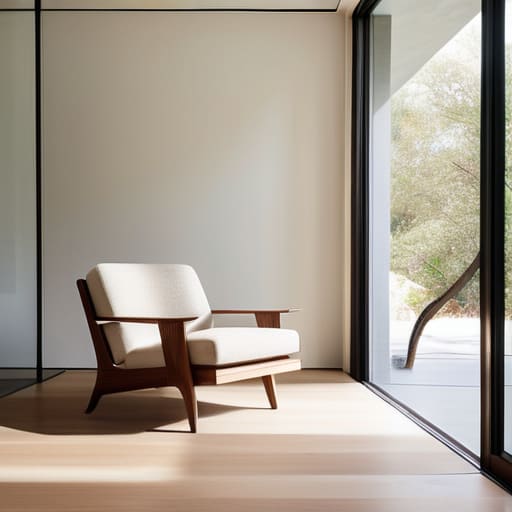
Think of your room like a jazz solo. If every single note is played at once, you don’t have music; you just have noise. In the same way, negative space in room layout isn’t just “empty” space—it’s the breath between the notes. It’s that intentional pause that allows your eyes to rest and your soul to settle. When we crowd every corner with trinkets and heavy pieces, we stifle the room’s ability to sing. By stepping back and embracing the void, you aren’t losing anything; you are actually giving your most cherished pieces the stage they deserve to perform.
This isn’t about living in a sterile white box, though. It’s about a soulful approach to functional furniture selection. Instead of filling every square inch, choose pieces that serve a purpose and possess a certain rhythmic grace. When you prioritize quality over quantity decor, you find that the gaps between your sofa and your bookshelf become just as vital as the furniture itself. Let the air circulate, let the light dance across the floor, and trust that the silence in your design is where the true magic happens.
The Soulful Syncopation: 5 Rhythms for a Minimalist Sanctuary
- Curate with Intention, Not Collection: Think of your belongings like a jazz ensemble; you don’t need every instrument in the room to make a masterpiece. If an object doesn’t sing to your soul or serve a rhythmic purpose in your daily life, let it go. It’s about quality of presence, not quantity of stuff.
- Texture as Your Melodic Layer: When you strip away the visual noise of bright colors and patterns, your space can feel flat or cold. Breathe life back into the silence by layering textures—a rough linen throw, a smooth stone vase, or a reclaimed wood table. This creates a sensory melody that keeps the minimalism from feeling sterile.
- Let the Light Lead the Improvisation: Natural light is the ultimate conductor of a room’s energy. Don’t drown your windows in heavy, dramatic drapes; instead, use sheer fabrics that allow the sun to dance across your floors. A well-lit space feels expansive, turning even the smallest corner into a stage for light and shadow.
- Find Beauty in Functional Art: In a minimalist home, your everyday tools should be as beautiful as a sculpture. A hand-thrown ceramic mug or a sleek, sculptural lamp isn’t just “stuff”—it’s a functional piece of art. When utility meets aesthetic grace, the line between living and creating begins to blur.
- The Grace of the Unfinished Note: Don’t feel the need to “complete” every corner of a room perfectly. Minimalism isn’t about a frozen, museum-like state; it’s about leaving room for life to happen. Allow for a bit of organic movement—a stack of books, a single wilting flower—to ensure your home feels lived-in and soulful, rather than staged.
The Final Note: Composing Your Sanctuary
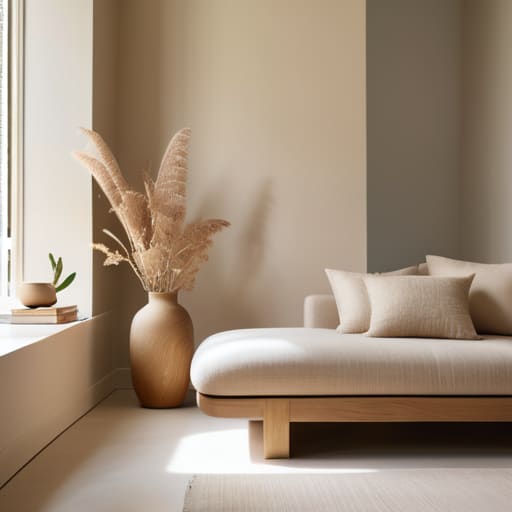
As we bring this rhythmic exploration to a close, remember that minimalism isn’t a rigid set of rules, but a soulful composition. We’ve danced through the nuances of neutral palettes that act as the steady bassline for your home, and we’ve explored how negative space provides that essential, breathy pause between the notes of your daily life. By curating your surroundings with intention—selecting only those pieces that sing with purpose—you aren’t just decorating a room; you are mastering the art of visual silence. It is about stripping away the static so that the true melody of your life can finally be heard.
So, as you step back from the drafting table of your living space, don’t fear the emptiness. Treat your home like a blank page or a fresh sheet of manuscript paper waiting for the first stroke of ink. Minimalism is your invitation to stop collecting noise and start cultivating meaning. Let your environment be the stage where your most authentic self can perform without distraction. Go ahead, clear the clutter, find your rhythm, and create a space that breathes alongside your soul. The masterpiece is waiting to be lived.