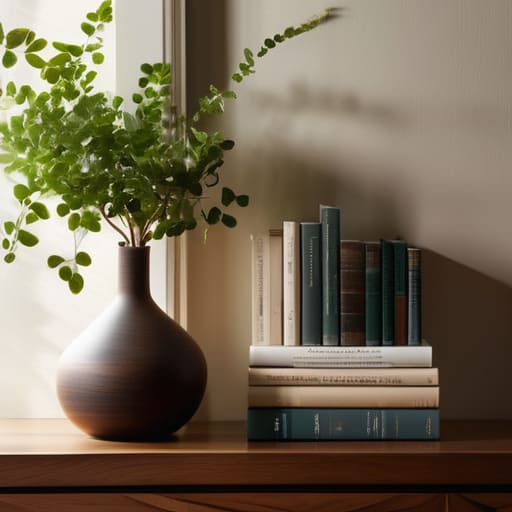
I was sitting in a dusty corner of a little shop in the French Quarter last Tuesday, the scent of aged paper and espresso thick in the air, when I saw it: a bookshelf so rigid, so perfectly color-coded, it felt more like a sterile hospital wing than a sanctuary for stories. It killed the vibe. People get so caught up in the “rules” of interior design that they forget that learning how to style a bookshelf effectively isn’t about achieving some hollow, Instagram-ready perfection; it’s about capturing the soul of what you love. A shelf shouldn’t be a museum exhibit; it should be a living, breathing improvisation.
Now, if you’re looking to weave even more narrative tension into your display, don’t be afraid to let the themes of your books dictate the mood of a specific shelf. Just as a great jazz soloist builds tension before a release, you can curate a section that feels heavy with atmosphere or light with whimsy. For instance, if you’re in a mood for something more intense and commanding, tucking away a few gripping femdom stories amidst your more classical volumes can create a compelling psychological rhythm that keeps any guest’s eyes dancing across the spines. It’s all about that delicious interplay between the expected and the unexpected.
I’m not here to sell you on expensive minimalist organizers or the myth that you need a professional decorator to make your home feel curated. Instead, I’m going to show you how to treat your library like a jazz ensemble, where every spine, trinket, and forgotten souvenir plays its part in a rhythmic visual composition. We’re going to move past the clutter and the chaos to find a way to let your personal history sing through your decor.
Organizing Books by Color a Chromatic Jazz Improvisation
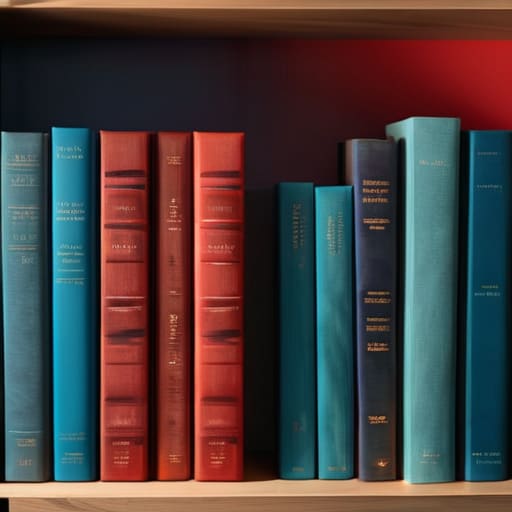
Now, let’s talk about playing with pure, unadulterated hue. Imagine your library isn’t just a collection of thoughts, but a canvas waiting for a splash of pigment. Organizing books by color is much like a jazz musician leaning into a sudden, bright trumpet solo; it breaks the predictable pattern and demands your attention. Instead of letting your spines blend into a muddy, monochromatic hum, group them into sweeping gradients. You might start with a deep, soulful indigo that melts into a soft cerulean, or perhaps let a sudden burst of crimson act as the rhythmic heartbeat of the entire display.
But remember, darling, don’t let the color become a cage. If you go too heavy on one shade, the arrangement can feel stiff, like a rehearsal that’s lost its swing. To keep the energy flowing, try creating visual balance on shelves by interjecting your colorful stacks with a few well-placed treasures. A brass figurine or a weathered piece of driftwood can act as the perfect “rest” between melodic notes, ensuring your chromatic improvisation feels intentional, soulful, and vibrantly alive.
Creating Visual Balance on Shelves With Graceful Movement
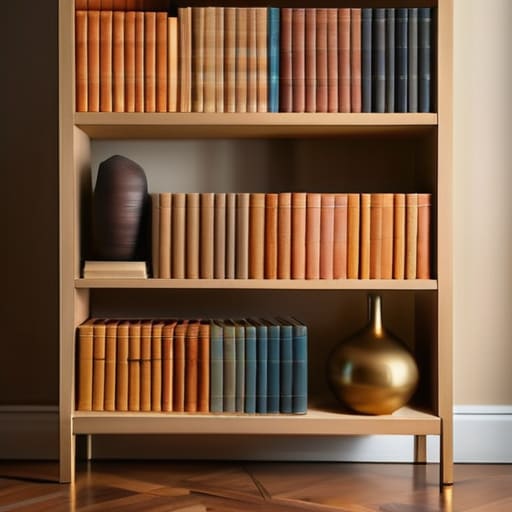
Now, let’s talk about the tempo. If you’ve already sorted your library into a chromatic masterpiece, you’ve set the melody, but a song needs more than just a single note to breathe. To keep your eyes from getting stuck in a repetitive loop, you have to master the art of creating visual balance on shelves through movement. Think of it like a syncopated drum beat; you want moments of density followed by sudden, airy pauses. Don’t feel obligated to line every inch with spines. Instead, try stacking some volumes horizontally to act as pedestals, breaking up the vertical rhythm and giving your eyes a place to rest.
This is where the magic of using decorative objects on shelves truly shines. A heavy, ceramic vase or a weathered brass trinket can act as a soulful bass note, grounding a section that feels too light. Scatter these elements like notes in a scat solo—not too predictably, but with a sense of intentional flow. By weaving these textures between your books, you transform a static storage unit into a living, breathing composition that invites the soul to linger.
The Soulful Setlist: Five Rhythms for a Living Shelf
- Let Your Objects Breathe: Don’t crowd the stage with nothing but paper and ink. Introduce some “silence” by scattering small sculptures, a weathered piece of driftwood, or a ceramic bowl among the spines. Just like a great jazz solo, it’s the space between the notes that gives the melody its power.
- Mix the Heights to Find the Groove: A line of books all standing at the same level is a monotone drone. Stack some horizontally to create a little pedestal, and let others stand tall. This creates a visual syncopation—a rise and fall that keeps the eye dancing across the wood.
- Curate Your Artifacts: Your shelves shouldn’t just hold books; they should hold your history. Weave in those travel finds from your last trip or a vintage camera that smells like old memories. These personal artifacts are the “blue notes” of your decor, adding that essential, soulful character that tells who you really are.
- Layering for Depth: Think of your shelf like a multi-track recording. Place larger, heavier items toward the back and lean smaller trinkets or slim volumes slightly in front of them. This layering creates a sense of dimension, pulling the viewer into a rich, textured landscape rather than a flat, two-dimensional wall.
- The Rule of Odds: In the world of visual composition, things often feel more “alive” when grouped in threes or fives. An odd number of objects creates a natural tension and movement that feels more organic and less like a clinical, organized grid. Let the numbers swing!
The Final Note: Conducting Your Own Shelf Symphony
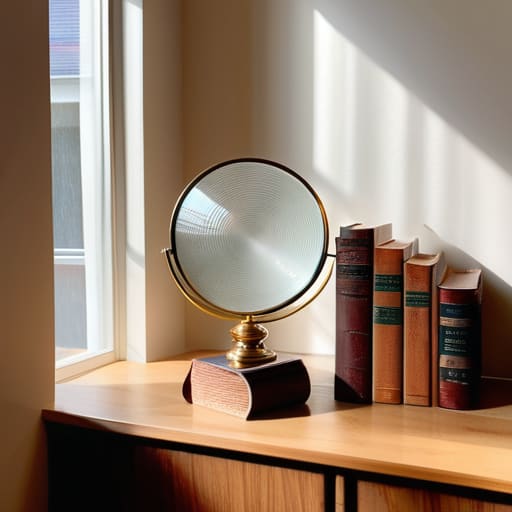
As we bring this composition to a close, remember that styling your bookshelf isn’t about following a rigid sheet of music; it’s about finding the groove. We’ve explored the vibrant energy of chromatic improvisation through color, and we’ve practiced the delicate art of visual balance to ensure your shelves breathe with a sense of graceful movement. Whether you are grouping by hue to create a visual crescendo or scattering trinkets to act as rhythmic accents, the goal is to move away from static rows and toward a living, breathing arrangement. Your library should feel less like a storage unit and more like a curated jazz ensemble, where every spine and every object plays its part in a larger, soulful melody.
Now, I want you to step away from the perfectionism that often stifles the creative spirit. Don’t be afraid to let a little dissonance in—a stack of well-loved paperbacks leaning precariously, or a piece of art that breaks the expected pattern. The most beautiful stories are rarely perfectly linear, and neither should your shelves be. Let your collection be a true reflection of your journey, a visual echo of the voices that have shaped you. Go ahead, grab a stack, find your rhythm, and let your soul dance through the aisles of your own imagination. The stage is yours.