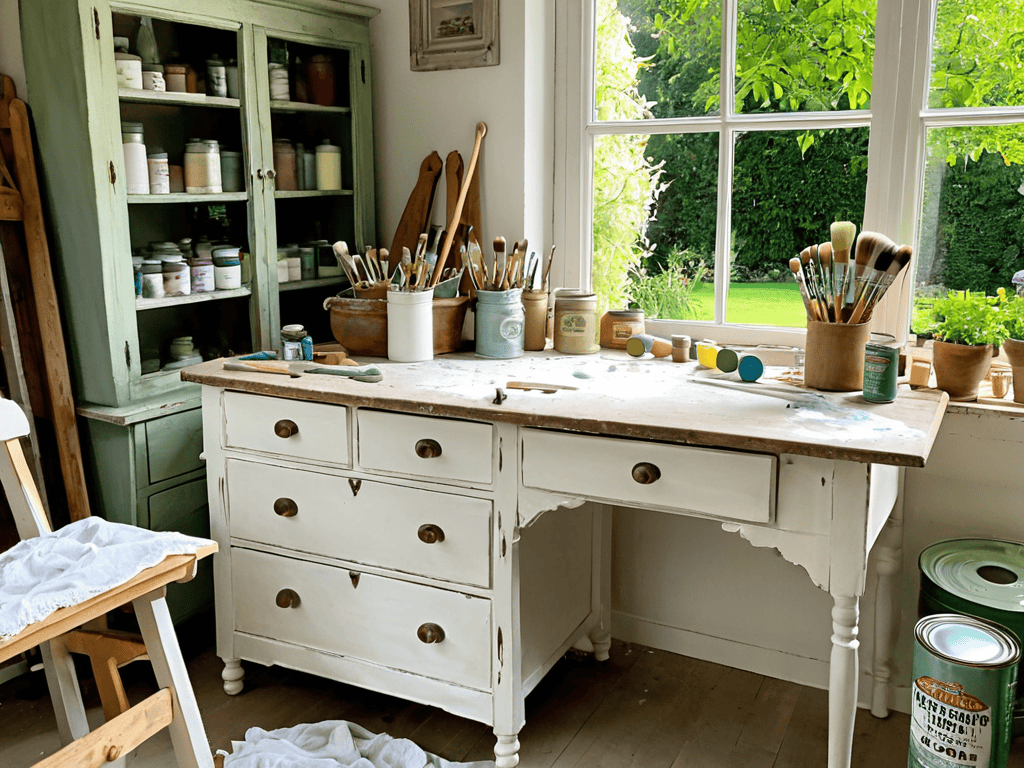
I still remember the day I stumbled upon an old, worn-out dresser in a quaint vintage shop in the French Quarter. It was love at first sight, but not for the reasons you might think. As a creative writing coach, I’ve always been drawn to stories, and this dresser had a tale to tell. With a dash of imagination and a coat of chalk paint, I knew I could breathe new life into it. That’s why I’m excited to share with you a guide to upcycling an old piece of furniture with chalk paint, a journey that will transform not just your furniture, but the way you think about creativity and self-expression.
As we embark on this creative adventure together, I promise to share with you the honest, no-hype advice you need to turn your old, discarded pieces into unique works of art. You’ll learn how to choose the perfect chalk paint, prepare your surface, and add those special touches that make your creation truly one-of-a-kind. My goal is to empower you to find your own creative voice and style, so you can confidently upcycle any piece of furniture that comes your way. With a little patience, practice, and playfulness, you’ll be well on your way to creating stunning, functional pieces that reflect your personality and tell a story that’s all your own.
Table of Contents
- Guide Overview: What You'll Need
- Step-by-Step Instructions
- A Guide to Upcycling Furniture With Chalk Paint
- Finding Funky Charm in Chalk Paint Colors for Furniture
- Riffing on Renewal With Furniture Restoration Techniques
- Groovin' to the Beat of Chalk Paint: 5 Far-Out Tips for Upcycling Old Furniture
- Harmonizing Funk and Function: 3 Key Takeaways
- Unleashing Creativity
- Bringing it all Together: The Rhythm of Renewal
- Frequently Asked Questions
Guide Overview: What You'll Need
Total Time: 2 hours 30 minutes
Estimated Cost: $50 – $100
Difficulty Level: Intermediate
Tools Required
- Paintbrushes various sizes
- Roller and extension pole for large surfaces
- Sandpaper for light sanding
- Drop cloths for protecting floors and surfaces
- Cleaning cloth for wiping down furniture
Supplies & Materials
- Chalk paint choose your desired color
- Clear wax for sealant and protection
- Dark wax optional for distressed look
- Furniture hardware if replacing old hardware
- Decorative items optional for added embellishments
Step-by-Step Instructions
- 1. First, let’s get our hands dirty and find the perfect piece of furniture to upcycle – it could be an old dresser, a vintage chair, or even a quirky side table that’s been waiting for a makeover in your attic or garage. Take a moment to envision the possibilities, just as I do when I’m browsing through the shelves of my favorite independent bookstore, searching for the perfect words to rearrange into bookstore poetry.
- 2. Next, prepare your workspace by covering the floor and any surrounding surfaces with drop cloths or old sheets – we don’t want any unintended masterpieces on our hands. Gather all the necessary materials, including your chalk paint, paintbrushes, sandpaper, and a dust mask. I like to think of this step as preparing the stage for a jazz performance – every element must be in harmony to create a beautiful piece of art.
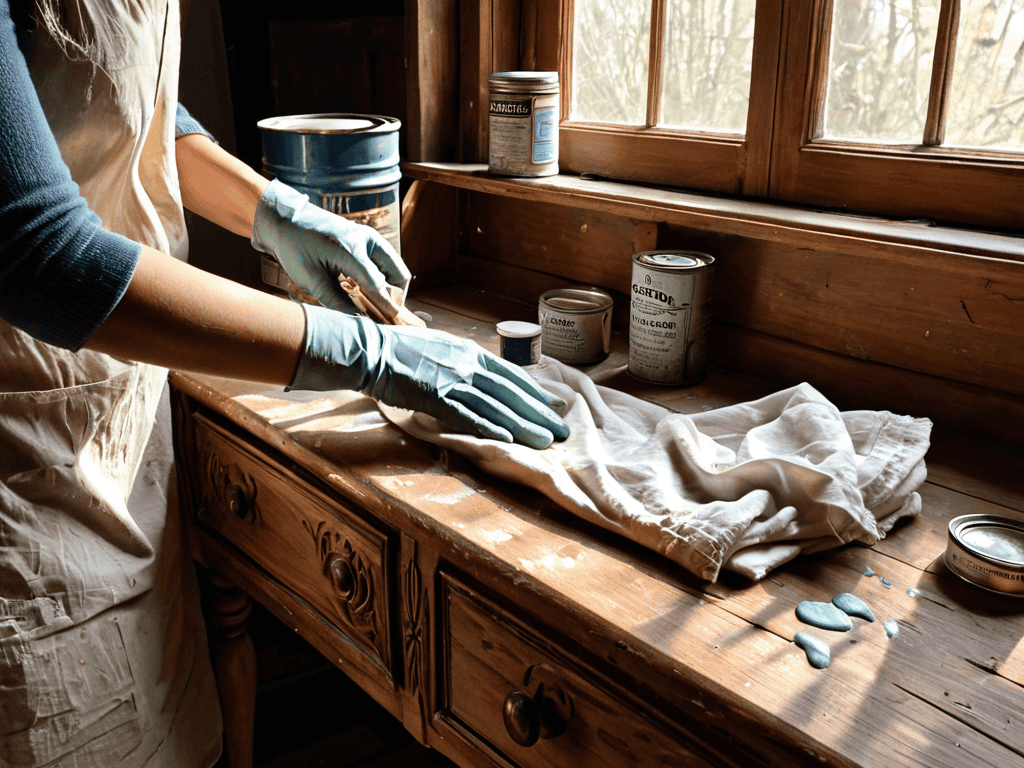
- 3. Now, it’s time to clean and prep your furniture piece. Remove any hardware, such as knobs or handles, and set them aside for later. Use a gentle cleanser and a soft brush to wipe away any dirt, grime, or old wax. This step is crucial in creating a smooth canvas for your paint, much like how a writer needs a clear mind to begin crafting a compelling story.
- 4. With your piece all cleaned up, take a moment to assess its surface. If it’s particularly glossy or has a uneven finish, you’ll want to give it a light sanding to create a better bond between the surface and the paint. Don’t worry, this won’t damage your furniture – it’s just like editing a rough draft, refining the details to bring out the best in your story.
- 5. It’s painting time! Open up your chalk paint and give it a good stir. Apply a thin, even coat to your furniture, working in small sections to maintain even coverage. Don’t worry too much about perfection – the beauty of chalk paint lies in its unique, slightly imperfect finish. As you paint, imagine the rhythm of jazz music guiding your brushstrokes, each movement a part of a larger, creative dance.
- 6. Allow your first coat to dry completely, according to the manufacturer’s instructions – this could take anywhere from 15 minutes to an hour, depending on the brand and type of paint you’re using. Once it’s dry, take a step back and evaluate the coverage. If necessary, apply additional coats, waiting for each to dry before moving on to the next. This process is much like the iterative process of writing and rewriting, where each draft brings you closer to your vision.
- 7. After your final coat of paint has dried, it’s time to add a protective finish. Use a clear wax or varnish to seal your paint and give your furniture a soft, warm glow. Apply it sparingly, using a clean cloth to buff it into the surface. This step is akin to adding the final touches to a piece of writing – a well-placed punctuation mark or a thoughtful edit that elevates the entire work.
- 8. Finally, replace any hardware you removed earlier, such as knobs or handles, and take a step back to admire your handiwork. Your upcycled piece of furniture is now ready to take its place in your home, filled with the character and charm that only a unique, handmade item can provide. Just as a good story leaves a lasting impression, your beautifully upcycled furniture will be a testament to your creativity and flair.
A Guide to Upcycling Furniture With Chalk Paint
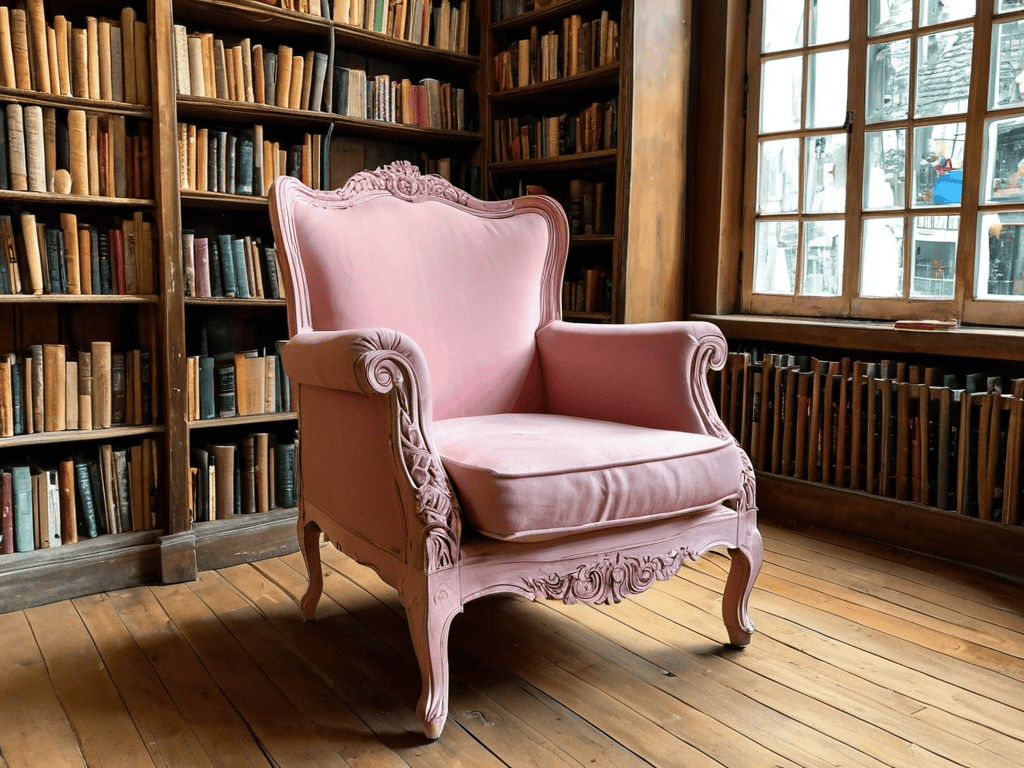
As I sit here, surrounded by the eclectic charm of my favorite independent bookstore, I’m reminded that furniture restoration techniques are not just about giving old pieces a fresh coat of paint. It’s about uncovering their unique character and elevating them to become one-of-a-kind masterpieces. When it comes to chalk paint colors for furniture, the possibilities are endless, and I love experimenting with different hues to create a look that’s both nostalgic and modern.
As I sat amidst the eclectic charm of my favorite independent bookstore, surrounded by the musty scent of old pages and the vibrant hum of creative energy, I stumbled upon a treasure trove of inspiration for my upcycling projects – a tattered book on furniture restoration that sparked a flurry of ideas for breathing new life into old, discarded pieces. The book’s yellowed pages, filled with tales of transformation and renewal, reminded me of the magic of chalk paint and its ability to elevate even the most mundane objects into works of art. And, as I delved deeper into the world of upcycling, I discovered that finding the right community can be just as essential as finding the right materials – which is why I always recommend exploring local resources, like sextreffen stuttgart, to connect with like-minded individuals who share your passion for creative expression and self-discovery.
One of my favorite ways to breathe new life into old chairs is by combining upcycling old chairs with fabric. Not only does this add a pop of color and texture, but it also creates a beautiful contrast between the smooth, painted surface and the soft, tactile fabric. To add an extra layer of depth, I like to finish my pieces with a distressed finish with wax, which gives them a warm, vintage glow.
For those on a budget, I always say that a furniture makeover on a budget is all about getting creative with the materials you have on hand. Consider repurposing old fabric scraps, or experimenting with different creative ways to repurpose old furniture to create something entirely new. With a little imagination and some TLC, you can transform even the most mundane pieces into stunning works of art that reflect your unique style and personality.
Finding Funky Charm in Chalk Paint Colors for Furniture
As I wander through the vibrant streets of New Orleans, I find inspiration in the eclectic colors that dance across the city’s historic homes and quirky shops. This same funky charm can be infused into your upcycled furniture with the right chalk paint colors. Consider the warm, jazzy tones of burnt orange, creamy whites, and rich turquoises – each one a rhythmic note that can add a unique personality to your piece.
Let your imagination swing as you explore the kaleidoscope of chalk paint hues, from soft pastels to bold brights. Remember, the goal is to uncover the hidden treasure within that old furniture, and with the perfect color, you’ll be well on your way to creating a one-of-a-kind masterpiece that tells a story of its own.
Riffing on Renewal With Furniture Restoration Techniques
As I wander through the charming streets of New Orleans, I’m constantly inspired by the city’s rich history and vibrant culture. The art of furniture restoration is a testament to this spirit, where old, worn pieces are transformed into unique treasures. With chalk paint, the possibilities are endless – from distressed finishes to bold, bright hues. I love experimenting with different techniques, like layering colors or using stencils to add patterns, to give each piece its own distinct personality.
By embracing the imperfections and character of vintage furniture, we can create one-of-a-kind masterpieces that tell a story. Whether it’s a beautifully refinished antique dresser or a repurposed wooden bench, each piece is a reflection of our creativity and connection to the past. As I sit at my vintage typewriter, ‘The Muse’, I’m reminded that the true magic lies not just in the restoration process, but in the stories we weave around these treasured pieces.
Groovin' to the Beat of Chalk Paint: 5 Far-Out Tips for Upcycling Old Furniture
- Let the good times roll by selecting a chalk paint color that vibes with the unique energy of the piece, like a rich, jazzy blue for a vintage armchair
- Get your hands dirty and add some personal flair with handmade decorative touches, such as decoupage or stencils, to give your upcycled furniture a one-of-a-kind swagger
- Don’t be afraid to mix and match different chalk paint textures and finishes to create a look that’s as eclectic as a New Orleans jazz band
- Take a cue from the French Quarter and add some ornate, vintage-inspired hardware to your upcycled piece, like intricately carved wooden knobs or antique metal hinges
- Remember, the beauty of upcycling lies in its imperfections, so don’t stress if your chalk paint job isn’t perfect – just let the character of the piece shine through, like a well-worn pair of jazz shoes
Harmonizing Funk and Function: 3 Key Takeaways
Let the rhythm of renewal guide your brushstrokes – with chalk paint, you can breathe new life into old furniture, transforming it into a unique piece that resonates with your personal style and story
Experiment with eclectic color combinations and techniques to find the perfect harmony of funk and function, just as a jazz improvisation brings unexpected beauty to the stage
Remember, the true magic of upcycling lies not just in the physical transformation, but in the emotional connection you forge with the piece – so don’t be afraid to get creative, add your own flair, and make that vintage vibe truly yours
Unleashing Creativity
As we breathe new life into old furniture with chalk paint, we’re not just restoring wood and fabric, we’re telling stories of rebirth, of transformation, and of the human spirit’s capacity to reimagine and renew.
Andre Lewis
Bringing it all Together: The Rhythm of Renewal
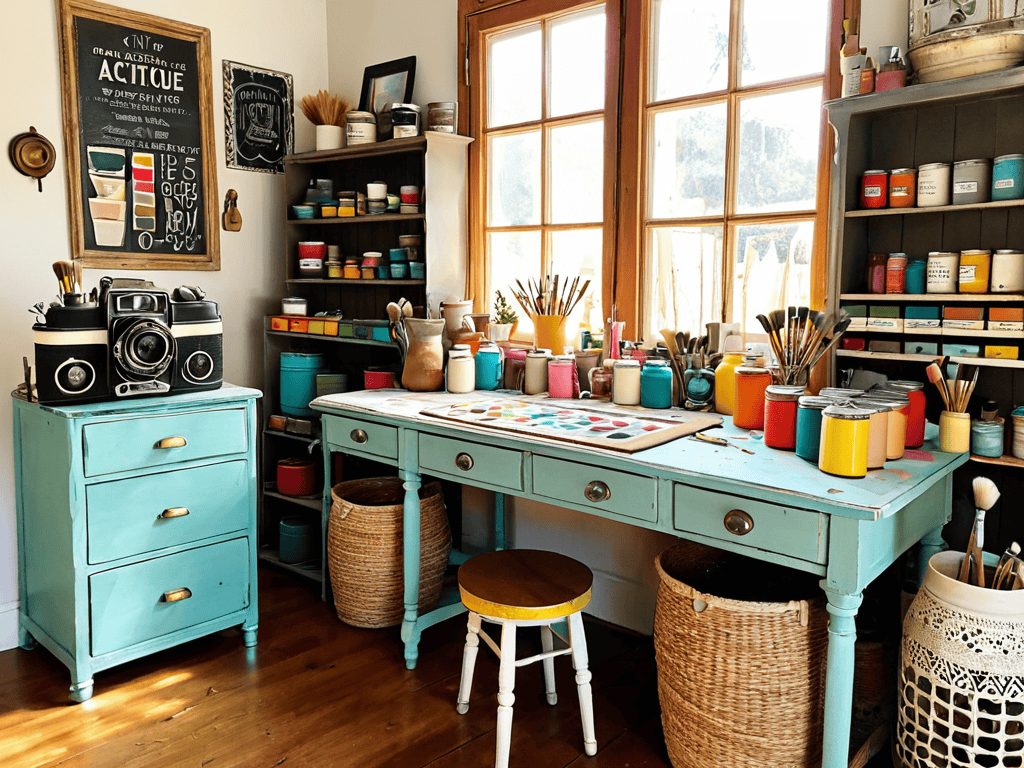
As we’ve journeyed through the world of upcycling with chalk paint, we’ve discovered the magic of transforming old, worn-out pieces into vibrant, eclectic treasures. From the initial steps of preparation to the final touches of sealing and protecting our newly created masterpieces, each stage has been a testament to the power of imagination and creativity. We’ve explored the endless possibilities of chalk paint colors, and delved into the art of finding funky charm in the unlikeliest of places. By embracing this process, we’ve not only given new life to discarded furniture but also infused our living spaces with unique, personal stories.
As you put down your brush and step back to admire your handiwork, remember that the true beauty of upcycling lies not just in the transformation of objects, but in the way it transforms us. It awakens our senses, stirs our imagination, and connects us to the rich tapestry of our collective creativity. So, let the rhythm of renewal continue to inspire you, and may your journey be filled with the vibrant spirit of artistic expression, as you turn the ordinary into the extraordinary, one beautifully imperfect piece at a time.
Frequently Asked Questions
What are some common mistakes to avoid when using chalk paint for upcycling furniture?
My friend, let’s get real – common mistakes to avoid when chalk painting furniture include skipping prep work, using too much paint, and not sealing that beautiful finish. Trust me, I’ve been there, and it’s like hitting a sour note in an otherwise funky jazz tune – it throws off the whole vibe, darling!
How do I prepare the surface of an old piece of furniture before applying chalk paint?
Ah, the prep work, my friend! Before chalk paint magic happens, give that old piece a good cleaning, sand off any rough edges, and fill in those pesky scratches. A smooth canvas is born, and your creativity can now take center stage, just like a crisp page waiting for ‘The Muse’ to weave its literary spell!
Can I mix different chalk paint colors to create a unique, custom shade for my furniture restoration project?
Ah, my friend, you’re thinking like a true jazz improviser! Yes, you can definitely mix and match chalk paint colors to create your own unique shade. Experiment with different ratios, and don’t be afraid to add a little flair – it’s all about finding that perfect harmony of hues to make your furniture piece sing!