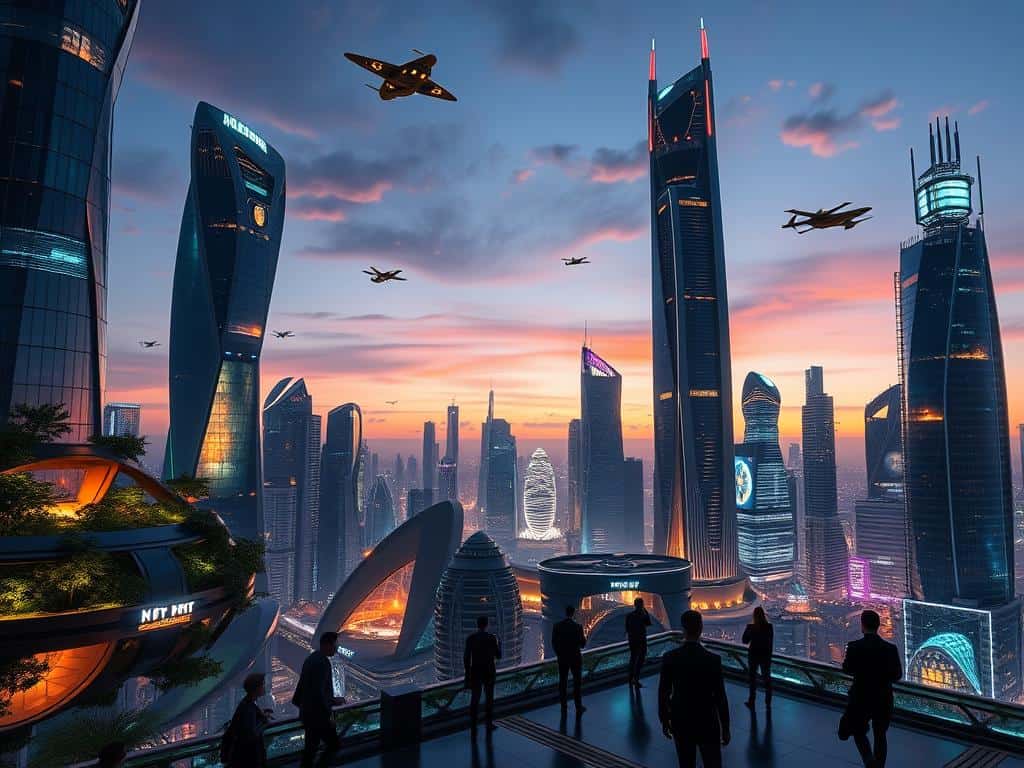
Did you know design choices can affect big issues like obesity and climate change? These problems show how powerful design can be. It shapes our world and our future.
Futuristic design is key to solving today’s challenges. It makes living spaces better and more sustainable. This style is all about finding new solutions for our changing world.
This article will explore what makes futuristic design special. We’ll look at its main features and how it has evolved. You’ll see how it can make our spaces more creative, welcoming, and useful.
Key Takeaways
- Futuristic design emphasizes innovation and sustainability.
- Design choices impact public health and social issues.
- Understanding historical context aids in future-oriented designs.
- Collaboration across disciplines is vital for effective design solutions.
- Prototyping with imaginative storytelling can enhance creative processes.
- Foresight and horizon scanning are integral for anticipating design trends.
The Concept of Futuristic Design
Futuristic design is all about looking ahead and being innovative. It focuses on making spaces look good and work well, meeting today’s needs. By using new methods, I create designs that are current and ready for tomorrow’s problems.
Understanding the Essence of Futuristic Design
Futuristic design is known for its innovative style. It’s about being simple, green, and able to change. You’ll see bold lines and new fonts, showing off today’s look. Materials like metal and glass are key to its unique feel.
Technological trends, like smart homes, are big in futuristic design. Touch-controlled systems are becoming common in homes.
Key Characteristics of Innovative Style
Innovative style in futuristic design uses bold colors and shapes. You’ll see lots of white, grey, and black, with metallic touches. Furniture is either curved or straight, fitting today’s tastes.
Nowadays, homes have gadgets that do many things. These gadgets look good and work well, showing off futuristic design.
Historical Context and Evolution of Design Trends
Knowing design history helps us understand today’s styles. The Futurism movement in Italy started it all. Design has moved from strict styles to more open ones.
This change has led to many styles today. By knowing this history, I can make designs that are both new and respectful of the past.
Techniques and Tools for Cutting-Edge Design
To make cutting-edge design, I use new materials and methods. These add beauty and meet today’s values. Sustainability is key, with recycled materials and modular designs.
These styles mix flexibility with caring for the planet. They’re vital for modern design.
Utilizing Innovative Materials and Methods
Innovative materials are key for standout designs. Choosing sustainable options connects with eco-aware clients. Techniques like 3D multi-sensor transmitters show design’s environmental side while keeping it engaging.
As industries move to sustainable practices, user needs drive design forward.
Prototyping with Technology
Technology has changed prototyping, making it faster and better. Tools like 3D printing and augmented reality help create detailed models. This lets me work closely with clients.
It also means quick feedback, leading to designs that meet expectations. This makes the design process quick and successful.
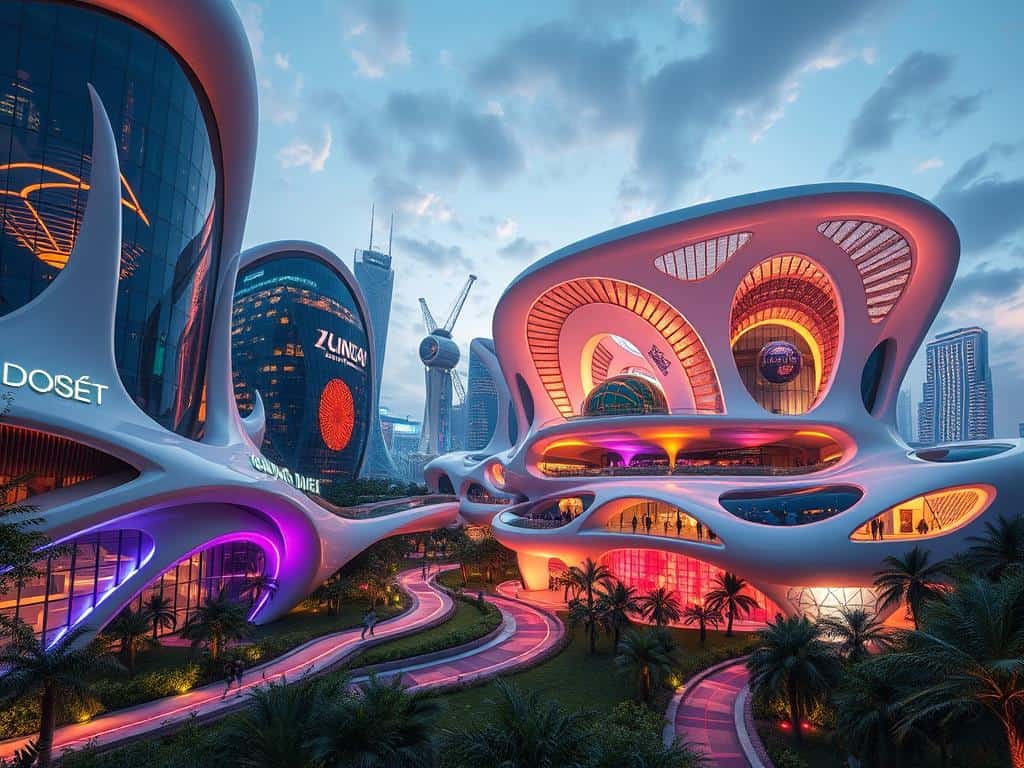
Futuristic Design: Strategies for Creating Tomorrow’s Spaces
Creating futuristic spaces involves several key strategies. One major approach is designing inclusive and flexible work environments. As offices change, they now fit different work styles.
Modular furniture and adaptable layouts make spaces accessible for everyone. This meets today’s corporate values.
Designing Inclusive and Flexible Work Environments
Flexible work environments are key today. Companies focus on designs that boost collaboration. The City of Minneapolis City Hall is a great example.
Staff there work from home three days a week. This mix of office and home work boosts interaction and keeps employees happy.
The Role of Human-Centered Design Principles
Human-centered design puts users first. It makes spaces both useful and welcoming. Getting feedback from users is key.
For example, Steele County’s communal spaces help staff work better together. This shows how design can make teamwork easier.
Case Studies of Successful Futuristic Projects
Looking at case studies shows how innovative design works. The City of Minneapolis City Hall remodel is a prime example. It cost $25 million and shows the value of flexible and inclusive design.
It has private spaces for virtual meetings. This shows how good design can boost productivity. Such projects set the stage for modern workspaces that meet today’s needs.
Conclusion
Futuristic design is more than just a trend. It’s a mix of new styles and cutting-edge methods that change how we live and work. It shows how technology and human needs can make our spaces better fit today’s life.
Using dynamic facades, green materials, and designs that connect us with nature is key. About 85% of projects now focus on being eco-friendly. Also, nearly 70% use tech like sensors to make our designs better and more advanced.
Thinking about futuristic design makes me see its big role in our world. The market for new facade tech and materials is growing. By focusing on what people need and being green, we can make spaces that are not just good today but also for the future.
