Did you know over 70% of clients judge an architectural project by its presentation first? This shows how important good design is, not just for looks but also for how it works and feels. I’m here to share tips and insights for making buildings that are both beautiful and eco-friendly.
Designing buildings is all about finding the right mix of looks and function. Knowing the area around a building is key to making it fit in well. This article will cover ideas for making buildings look great while also being useful. I’ll share my own experiences and advice from experts to help architects and builders at any project stage.
Key Takeaways
- Good presentation can really grab people’s attention and change how they see a project.
- It’s important to find a balance between how a building looks and how it works.
- The setting around a building greatly affects how it’s seen and used.
- Using sustainable and local materials can make a building last longer and look better.
- It’s key to make buildings energy-efficient for modern design.
Understanding the Importance of Architectural Design
Architectural design is key to creating buildings that look good and work well. A good design can make a place more popular, bringing in more people and money. On the other hand, bad design can make a place unsafe and uncomfortable, leading to less satisfaction and lost money.
Balancing Aesthetics and Functionality
I focus on making buildings that people love to use. I use things like space, line, and texture to make them both beautiful and useful. Using strong materials like concrete and metal makes them look good and last long.
A building that works well helps things run smoothly, like in hospitals or offices.
The Role of Context in Design
Knowing the area around a building is important for good design. I choose materials and designs that fit with the local environment. This makes the building feel connected to its surroundings.
Designing buildings that match the culture and environment helps build strong, healthy communities.
Material Selection for Durability and Aesthetics
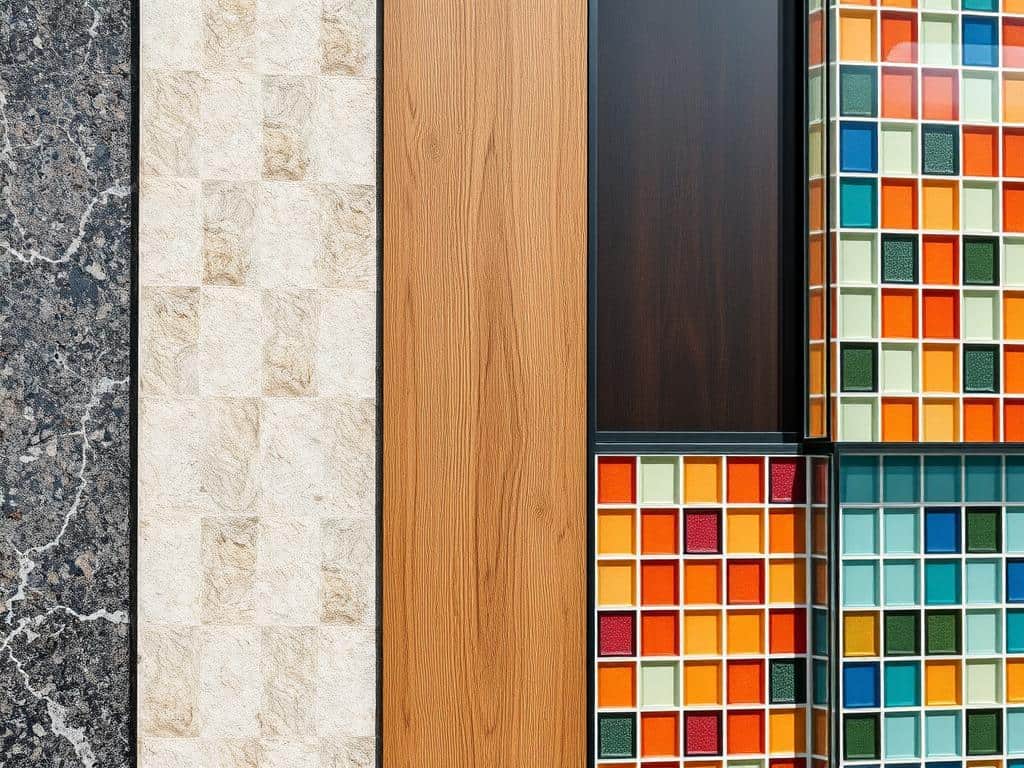
Choosing the right materials is key in building design. It affects how long a building lasts and how easy it is to keep up. The materials used also shape the building’s look and feel.
Choosing Low-Maintenance Materials
Architects often pick materials that need little care. For example, fiber cement siding is tough and easy to maintain. It stands up to weather without much upkeep.
Other materials, like those with titanium dioxide coatings, are also easy to clean. This means less work over time, saving money in the long run.
Environmentally Friendly Options
Today, choosing green materials is very important. Using renewable resources helps the planet and supports sustainable building. It also opens up chances for things like collecting rainwater.
Going green shows a real commitment to the environment. It makes a big difference in every project.
Incorporating Local and Recycled Materials
Using local and recycled materials is a smart choice. It helps the local economy and connects the building to its area. It also makes the building more sustainable and beautiful.
Projects that use local materials often mean more to the community. They show respect for heritage and care for the planet.
Architectural Design Strategies for Energy Efficiency
Making buildings energy-efficient is key to creating sustainable structures. Using new strategies can make living spaces more comfortable and cost-effective. It also meets the needs of today’s lifestyle.
Utilizing Passive Design Principles
Passive design is a smart way to boost energy efficiency. It involves strategic window placement to control heat. This affects a building’s energy use.
Orienting buildings with their longer sides facing north and south helps. It reduces sunlight and lowers cooling costs. Window overhangs block heat during the day.
Good insulation and ventilation are also important. They help cut down on the need for mechanical systems. This leads to big energy savings.
Implementing Renewable Energy Solutions
Adding renewable energy solutions is a big step for energy efficiency. PV solar panels can power heating, cooling, and lighting. This makes properties more self-sufficient.
Cool roofs also help by lowering air conditioning needs. This cuts down energy use. Smart tech, like programmable thermostats, optimizes HVAC use and reduces waste.
Water conservation, like rainwater harvesting, is also key. It saves resources and reduces environmental impact. This aligns with sustainable practices.
Conclusion
Architectural design is key to making buildings that are beautiful, strong, and save energy. These structures meet today’s needs and show off human creativity. By choosing the right materials and using technology, we make buildings better for our planet and more beautiful.
This article highlights the need for a careful approach in building design. Thinking about every step, from the first sketch to the finished building, is important. It lets us add a special “soul” to our creations, making them more beautiful and meaningful.
Looking ahead, I plan to use new methods like Building Information Modeling (BIM) and add handcrafted touches to my designs. This will help us build in a way that’s good for the environment and values the art of building. Together, we can make spaces that are both beautiful and functional.
