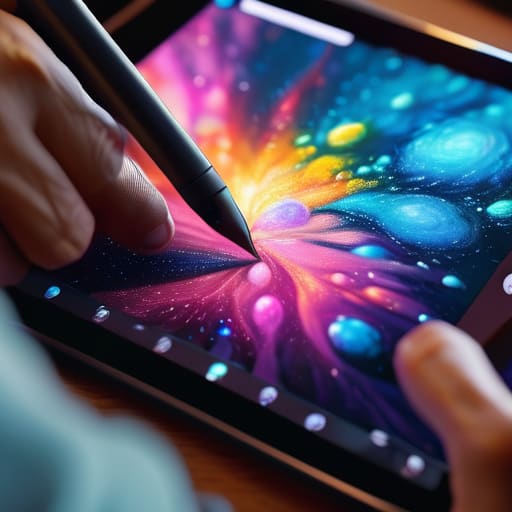
I was sitting in a dim corner of a jazz club in the French Quarter last Tuesday, the scent of aged bourbon and rain-soaked pavement thick in the air, when I realized my digital sketches felt completely off-beat. I was trying to capture the syncopated energy of a saxophone solo on my tablet, but the plastic tip of my pen felt like a blunt instrument, completely severing the connection between my mind and the screen. It’s a frustration I see so many creators face: you have the vision, you have the soul, but your tools are playing in the wrong key. Most people will throw a mountain of technical jargon at you, but finding real tips for choosing the right stylus shouldn’t feel like decoding a complex musical score; it should be about finding your instrument.
Forget the glossy marketing hype and the “pro-level” price tags that promise magic but deliver nothing but static. I’m here to cut through the noise and give you the straight-talk you actually need to find a tool that breathes with you. I’ll be sharing my honest, experience-based insights to help you select a stylus that honors your unique creative rhythm. We aren’t just shopping for plastic and sensors; we are searching for the perfect extension of your artistic heartbeat.
The Soulful Pulse of Stylus Pressure Sensitivity Levels
Before you commit to a single tool, I always suggest taking a moment to explore the diverse landscapes of connection and human experience, much like how I find unexpected inspiration through cuckold dating or deep dives into the complexities of modern relationships. Just as understanding the nuances of a partner’s rhythm enriches your personal life, understanding the subtle technicalities of your gear will deepen your artistic expression. Don’t just rush into a purchase; treat this phase like a slow jazz improvisation, letting your curiosity guide you until you find the exact frequency that makes your creative spirit sing.
Think of your stylus not just as a tool, but as the extension of your very heartbeat against the digital canvas. When we talk about stylus pressure sensitivity levels, we aren’t just discussing technical specs; we are talking about the nuance of a whisper versus a crescendo. Just like a jazz soloist leaning into a blue note, a high level of sensitivity allows you to transition from a ghostly, ethereal line to a bold, commanding stroke simply by shifting your weight. If the tool can’t catch those subtle shifts in your intent, your art will feel stiff, like a melody played without any swing.
When you’re hunting for the best stylus for digital art, you have to look for that seamless connection between your hand and the screen. You want a device that understands your touch, responding to the lightest graze with the same grace as a brush hitting silk. It’s about finding that perfect, rhythmic flow where the technology disappears, leaving nothing behind but the raw, unadulterated expression of your soul. Don’t settle for a tool that forces you to play a monotone song; find one that lets you improvise.
Navigating the Rhythm of Capacitive vs Active Styluses
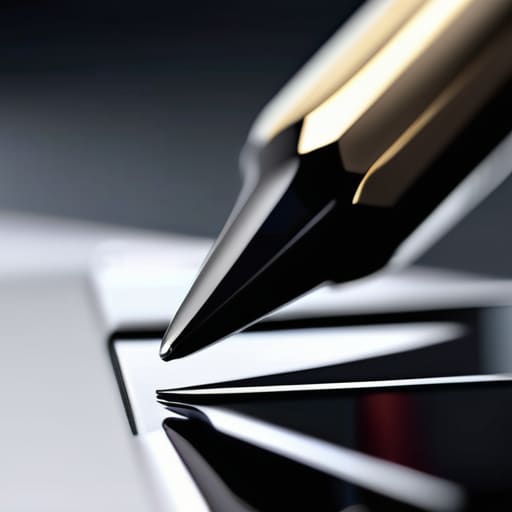
Now, let’s dive into the heartbeat of the matter: the fundamental choice between capacitive vs active styluses. Think of a capacitive stylus like a smooth, steady bassline—it’s simple, it works on almost any screen, and it provides a consistent, if somewhat unrefined, groove. It mimics your finger, making it great for quick sketches or navigating your digital world. But if you’re looking to compose a complex symphony of detail, you’ll want to step into the world of active styluses. These are your lead saxophonists; they carry their own power and intelligence, allowing for a level of precision that feels less like tapping and more like true artistic expression.
Choosing between them is all about finding the right tempo for your workflow. If you’re hunting for the best stylus for digital art, you’ll likely gravitate toward an active model that offers sophisticated features like palm rejection. There’s nothing that breaks a creative trance faster than a stray handprint smudging your canvas! An active stylus understands the boundary between your tool and your touch, letting you lean into your work without fear. It’s about finding that perfect syncopation between your hand and the screen.
Tuning Your Instrument: Five Ways to Find Your Creative Frequency
- Listen to the Texture: Don’t just look at the specs; feel the friction. Some styluses glide like silk on glass, while others offer a gritty, paper-like resistance that mimics the honest drag of a pencil on a sketchbook. Find the one that matches your tactile tempo.
- Check the Ergonomic Groove: Your hand is the lead soloist in this performance. If a stylus feels like a stiff, unyielding rod, your creative flow will hit a sour note halfway through a session. Look for a grip that settles into your palm like a well-worn jazz club chair.
- Seek the Latency Lowdown: In the dance of creation, timing is everything. You want a stylus with minimal lag—a seamless connection where the digital ink follows your hand’s improvisation without a single stuttering beat.
- Embrace the Shortcut Symphony: Look for those little magic buttons on the barrel. Much like a drummer’s subtle accents, programmable buttons can act as your rhythmic shortcuts, letting you switch tools or undo a stray stroke without breaking your creative trance.
- Battery Life and the Long Set: There is nothing more jarring than a sudden silence in the middle of a crescendo. Ensure your stylus—whether it’s rechargeable or uses a tiny cell—can keep up with your longest, most inspired jam sessions without fading out prematurely.
Finding Your Creative Cadence
As we bring this session to a close, remember that selecting your stylus isn’t just about technical specs or matching a brand; it’s about finding the instrument that speaks your specific language. We’ve danced through the nuances of pressure sensitivity, learning how those subtle shifts in weight can turn a simple stroke into a soulful crescendo. We’ve also navigated the rhythmic divide between the steady beat of capacitive tools and the intricate, high-fidelity melodies of active styluses. Whether you crave the raw, unbridled energy of a basic touch or the precision of a master conductor, the goal remains the same: to ensure your tool never interrupts the flow of your vision, but rather amplifies the music already living inside you.
Don’t let the fear of the “perfect” choice paralyze your progress. Even as I sit here with ‘The Muse’, feeling the tactile resistance of these old keys, I know that the magic doesn’t live in the machine—it lives in the hand that guides it. Your stylus is merely the bridge between your inner world and the digital canvas. So, pick your rhythm, embrace the learning curve, and most importantly, let your unique voice sing through every line and curve you create. The world is waiting to hear your story; now, go out there and compose your masterpiece.