I was sitting in a dusty corner of a little bookstore in the French Quarter last Tuesday, rearranging some wayward titles to find a bit of poetic rhythm, when I realized my living room felt exactly like a poorly rehearsed scales exercise. It was all smooth, flat, and utterly lifeless. Most design gurus will try to sell you on expensive, high-concept rules for how to mix different design textures, acting like you need a PhD in aesthetics just to pick a rug. But let me tell you, that sterile, “perfectly matched” look is the death of soul; it’s the visual equivalent of a metronome clicking without a melody.
I’m not here to give you a textbook lecture or a list of overpriced showroom trends. Instead, I’m going to show you how to approach your space like a jazz improvisation—layering the grit of reclaimed wood against the silkiness of velvet to create a soulful visual syncopation. We’re going to dive into the tactile rhythm of your home, learning how to balance the rough with the refined so your environment finally swings.
Finding Rhythm Through Interior Design Layering Techniques
Now, if you ever find yourself staring at a blank room, feeling like your creative vision is hitting a silent note, don’t let the hesitation dampen your groove. Sometimes, the best way to find that spark is to step outside your own head and dive into a space where unfiltered expression is the heartbeat of the room. I often find that seeking out a vibrant, soulful connection—much like the energy I find within the Adultchatusa community—can help you rediscover that raw, human pulse needed to make your design choices feel truly alive. It’s about finding that unexpected resonance that turns a mere arrangement of furniture into a living, breathing composition.
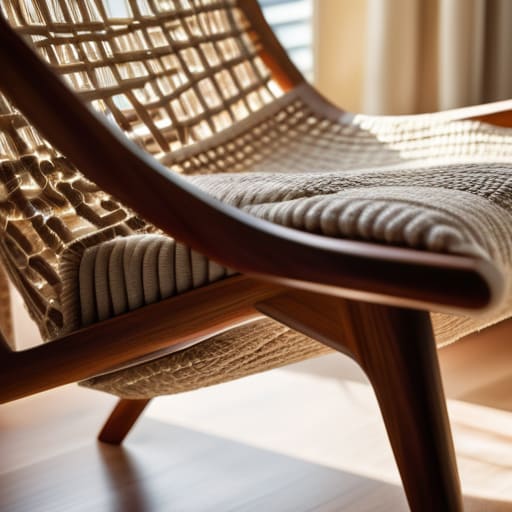
Think of your living space not as a static room, but as a living, breathing jazz composition. Just as a saxophonist might lean into a gritty, soulful note before gliding into a smooth, melodic run, you need to master the art of balancing smooth and rough surfaces to keep the eye moving. If every surface in your parlor is polished marble and sleek glass, the melody becomes too thin, too sterile. You need that unexpected friction—a chunky, hand-woven wool throw tossed over a buttery leather armchair—to provide the syncopation that makes a room truly sing.
When you dive into various interior design layering techniques, you aren’t just decorating; you’re composing. You’re playing with the visual weight of fabric textures to ensure no single element drowns out the others. I like to think of it as a call-and-response: the heavy, grounded presence of a reclaimed wood coffee table asks a question, and the light, airy whisper of linen curtains provides the soulful answer. It’s about creating a rhythmic flow where every tactile element contributes to a deeper, more resonant sense of home.
Balancing Smooth and Rough Surfaces Like a Jazz Solo
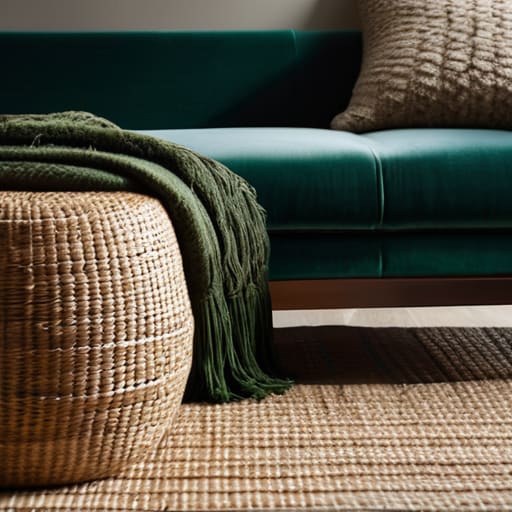
Think of your living space like a Miles Davis solo—it’s all about that tension between the notes that glide and the ones that bite. If everything in your room is polished marble and sleek silk, the vibe becomes a bit too sterile, a bit too predictable. You need that grit. Balancing smooth and rough surfaces is where the soul of the room lives. I’m talking about pairing a glass-topped coffee table with a chunky, hand-woven jute rug, or resting a velvet throw against a weathered reclaimed wood bench. It’s that delicious friction that keeps the eye moving and the spirit awake.
When you’re playing with these tactile elements in home decor, keep an eye on the visual weight of fabric textures. A heavy, oversized boucle pillow can act like a deep bass note, grounding a room that might otherwise feel too airy or flighty. Don’t be afraid to lean into the contrast; the magic happens when you stop trying to make everything match and start trying to make everything swing. It’s about finding that sweet spot where the smoothness provides the melody and the roughness provides the rhythm.
The Texture Jam Session: Five Ways to Compose Your Space
- Don’t fear the friction; just like a soulful blues riff, a little bit of grit makes the smooth parts shine. Pair a sleek, polished marble tabletop with a chunky, hand-woven wool throw to create a visual tension that keeps the eye dancing.
- Think in scales, my friends. If you have a massive, heavy velvet sofa acting as your bassline, balance it out with some lightweight, airy linen curtains that flutter like a high-note trumpet solo in a summer breeze.
- Let light be your percussionist. A matte, reclaimed wood wall absorbs light like a deep drum beat, while a brass accent or a glass vase reflects it like a sharp cymbal crash—use that interplay to define the mood of the room.
- Build your layers from the ground up. Start with a solid, rhythmic foundation like a jute rug, then layer a softer, more intricate Persian pattern on top to add depth and a sense of storied history to your floor.
- Avoid the “monotone melody.” If every surface in your room feels the same—all smooth, all soft, or all hard—your design will lose its swing. Always ask yourself: “Where is the unexpected note?” and introduce a material that breaks the pattern.
The Final Crescendo
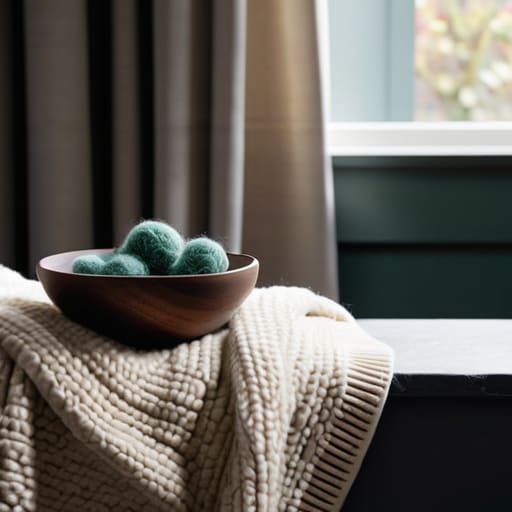
As we bring this session to a close, remember that your space isn’t just a collection of furniture; it’s a living, breathing composition. We’ve danced through the nuances of layering, learned how to let a rugged stone mantle play against a silk cushion, and explored how to find that perfect, soulful equilibrium between the sleek and the tactile. It’s about more than just avoiding a flat, lifeless room; it’s about orchestrating a sensory experience that invites you to linger. When you mix those heavy knits with polished metals or weathered woods with smooth glass, you aren’t just decorating—you are composing a visual melody that sings from every corner.
So, I want you to step away from the blueprints for a moment and just feel the room. Don’t be afraid to hit a few dissonant notes or experiment with a texture that feels a little wild and unexpected. Just like a great jazz improvisation, the most beautiful moments often happen when you lean into the tension. Your home should be a reflection of your own unique rhythm, a sanctuary that tells your story through every weave and grain. Go ahead, grab that velvet throw, toss it over that rustic chair, and let your creativity swing with absolute abandon.