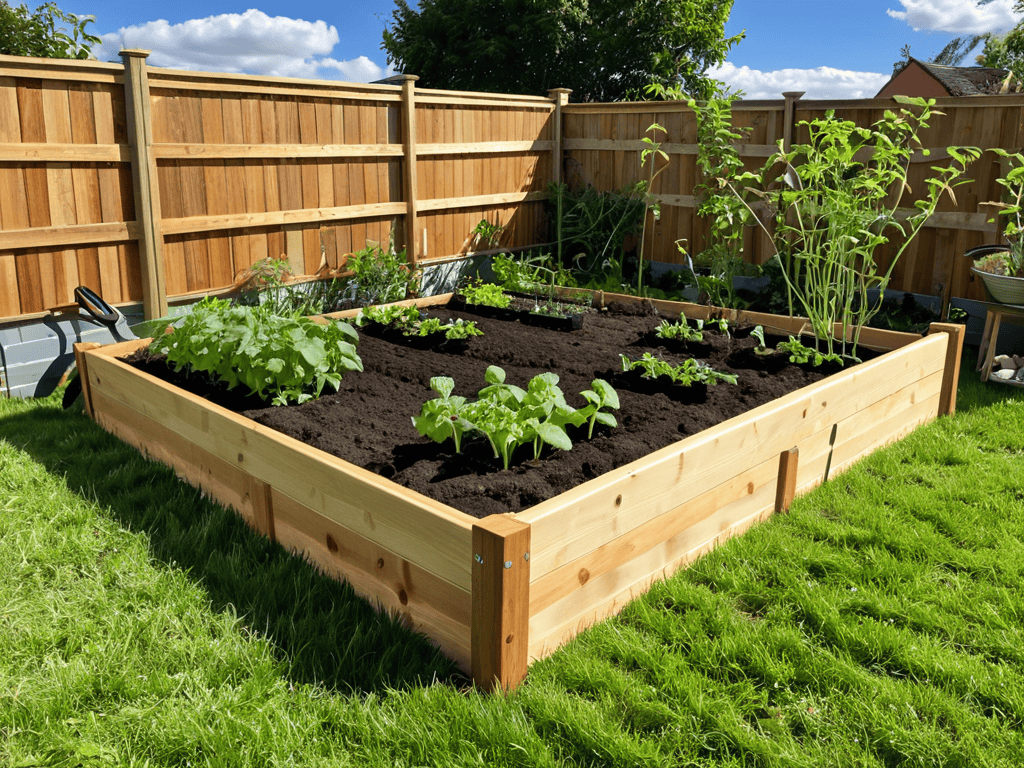
I still remember the first time I tried to grow my own vegetables – it was a disaster. I had heard that building a raised garden bed was the way to go, but all the tutorials I found online made it sound like a daunting task. They’d say things like “it’s a complex process that requires a lot of planning and expertise,” which really put me off. But the truth is, learning how to build a raised garden bed for vegetables is actually quite straightforward. I’ve since built several raised beds and enjoyed a bountiful harvest every time. My experience has taught me that with the right guidance, anyone can create a thriving garden, and that’s exactly what I want to share with you.
In this article, I’ll cut through the noise and give you the honest, no-nonsense advice you need to build a raised garden bed that will make your vegetable-growing dreams a reality. I’ll walk you through the entire process, from planning to construction, and provide you with practical tips and tricks to ensure your success. By the end of this guide, you’ll be equipped with the knowledge and confidence to build your own raised garden bed and start growing your favorite vegetables in no time. Whether you’re a seasoned gardener or a complete beginner, this article will show you that building a raised garden bed is easier than you think, and it’s a great way to get started with growing your own food.
Table of Contents
Guide Overview: What You'll Need
Total Time: 2 hours 30 minutes
Estimated Cost: $50 – $100
Difficulty Level: Intermediate
Tools Required
- Circular Saw (for cutting lumber)
- Drill (with screwdriver bits)
- Tape Measure (for measuring and marking lumber)
- Square (for ensuring corners are square)
- Shovel (for filling with soil)
- Level (for ensuring the bed is level)
- Weather-Resistant Screws (for assembling the frame)
Supplies & Materials
- 2-in x 6-in lumber (for the frame)
- 2-in x 4-in lumber (for support brackets)
- Wood Screws (for assembling the frame)
- Weather-Resistant Wood Glue (for added strength)
- Soil (for filling the bed)
- Gravel or Landscape Fabric (for drainage and weed control)
- Wood Sealant or Stain (optional, for protecting the wood)
Step-by-Step Instructions
- 1. First, let’s start with the basics: planning your raised garden bed. This involves deciding on the size, material, and location of your bed. Consider the amount of space you have available, the type of vegetables you want to grow, and the amount of sunlight the area receives. Make sure to choose a spot that gets at least 6 hours of direct sunlight a day.
- 2. Next, you’ll need to prepare the site by clearing the area of any debris, grass, or weeds. This will give you a clean slate to work with. Remove any existing vegetation and dispose of it properly. If you’re building on a slope, consider leveling the ground to ensure your bed is even and stable.
- 3. Now it’s time to build the frame of your raised garden bed. You can use a variety of materials, such as wood, metal, or plastic. For a simple and affordable option, consider using untreated cedar or pine wood. Cut the wood into the required lengths and assemble the frame using screws or nails. Make sure the corners are secure and the frame is level.
- 4. With the frame in place, it’s time to add the bottom layer of your raised garden bed. This can be a layer of landscape fabric, weed barrier, or even a thin layer of gravel. This helps with drainage and prevents weeds from growing up into your bed. Cut the material to size and secure it to the frame using staples or landscape pins.
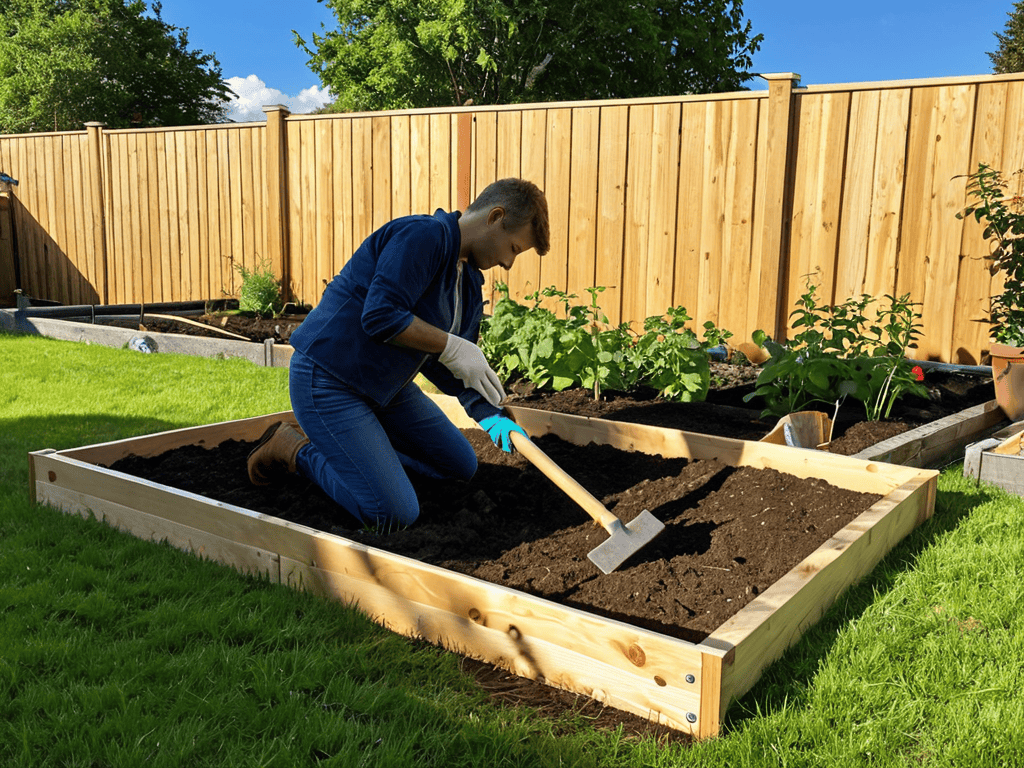
- 5. Next, you’ll need to fill your raised garden bed with a mix of topsoil, compost, and other organic matter. This will provide a nutrient-rich environment for your vegetables to grow. Consider using a mix of 60% topsoil, 20% compost, and 20% perlite or vermiculite. Fill the bed to the top, making sure to leave a small gap between the soil and the top of the frame for easy watering.
- 6. Now it’s time to add a watering system, if desired. This can be as simple as a soaker hose or as complex as a drip irrigation system. Consider the size of your bed and the type of vegetables you’re growing when deciding on a watering system. Make sure to follow the manufacturer’s instructions for installation and use.
- 7. Finally, it’s time to add your vegetables and start growing. Choose a variety of vegetables that are suitable for your climate and the time of year. Consider starting with easy-to-grow varieties like tomatoes, cucumbers, or leafy greens. Plant your vegetables at the same depth as they were in their pots, and water well to settle the soil.
Build Vegetable Garden
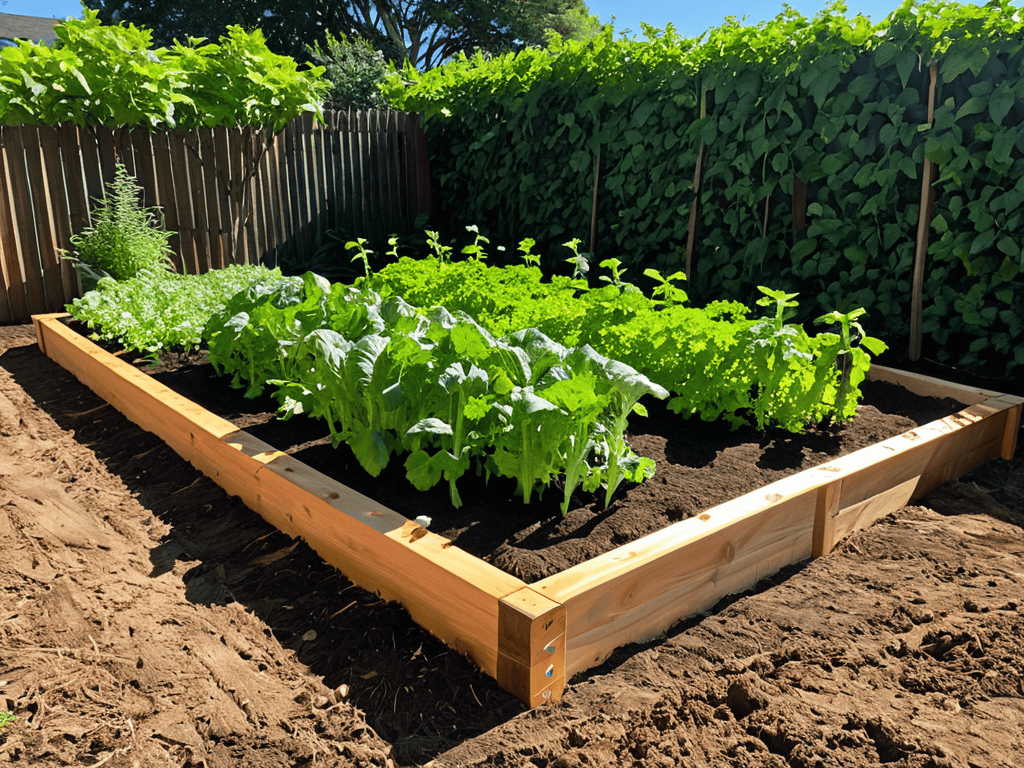
When it comes to creating a thriving vegetable garden layout, it’s essential to consider the space and arrangement of your plants. A well-planned layout can make all the difference in maximizing your harvest and minimizing maintenance. For beginners, raised bed gardening for beginners can be a great resource to get started.
As you prepare to plant, don’t forget to think about the type of wood you’ll use for your garden bed. The best wood for garden beds is typically one that’s durable and resistant to rot, such as cedar or reclaimed wood. You can find plenty of diy garden bed plans online to help guide your build.
Once your bed is built, it’s time to focus on soil preparation for vegetable garden. This crucial step can make or break your harvest, so be sure to test your soil and amend it as needed. Consider investing in a garden bed irrigation system to make watering a breeze and ensure your plants receive the right amount of moisture.
Raised Bed Gardening Basics
When it comes to raised bed gardening, there are a few basics to keep in mind. First, make sure your bed gets at least 6 hours of direct sunlight a day. Most vegetables need full sun to produce well, so choose a spot that gets plenty of light. Also, consider the soil quality in your bed – a good mix of topsoil, compost, and perlite or vermiculite will help your vegetables grow strong and healthy.
In terms of maintenance, raised beds are relatively low-fuss. Just be sure to water them regularly, and add a fresh layer of compost or fertilizer as needed. You should also keep an eye out for pests and diseases, and take action quickly if you notice any problems. With a little care and attention, your raised bed can be a thriving oasis for your favorite vegetables.
Soil Preparation Tips
As you’re preparing to plant your favorite vegetables in your newly built raised garden bed, it’s essential to consider the overall health and wellness of your garden ecosystem. A great way to ensure your garden thrives is by understanding the importance of companion planting, which can help deter pests and improve growth. For more information on this topic and other gardening tips, you can visit sex nrw, a resource that offers a wide range of advice and insights to help you become a more confident and successful gardener, from planning and preparing your garden to enjoying the fruits of your labor.
To get the most out of your raised garden bed, it’s essential to focus on soil preparation. This step is often overlooked, but trust me, it’s crucial for a thriving vegetable garden. You’ll want to mix in a combination of topsoil, compost, and organic matter to create a nutrient-rich soil blend. Aim for a pH level between 6.0 and 7.0, as this is ideal for most vegetables.
When preparing your soil, consider adding in some well-rotted manure or peat moss to improve its structure and fertility. Avoid using regular garden soil from your yard, as it can compact and prevent proper drainage in your raised bed. By taking the time to properly prepare your soil, you’ll be rewarded with healthy, productive plants and a bountiful harvest.
Raised Garden Bed Essentials: 5 Tips to Get You Growing
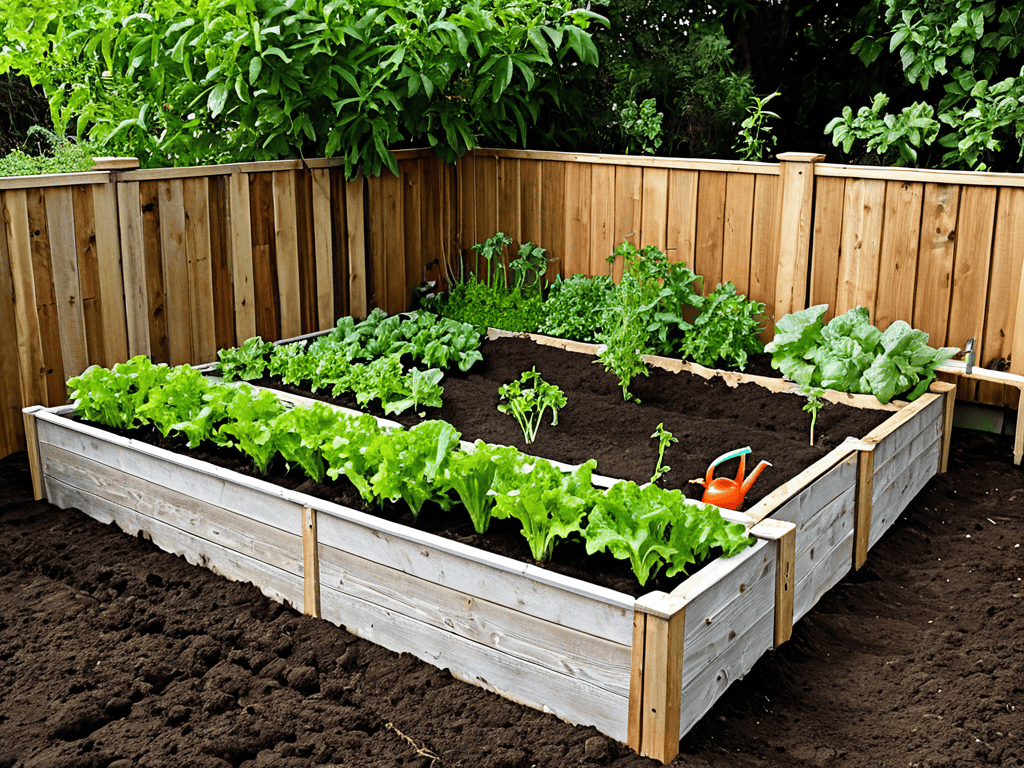
- Choose the right wood: Opt for rot-resistant woods like cedar or recycled plastic to ensure your raised bed withstands the elements
- Select a spot with plenty of sunlight: Most vegetables need at least 6 hours of direct sunlight per day to thrive
- Don’t forget drainage: Add a layer of gravel or broken pottery to the bottom of your raised bed to prevent waterlogged soil
- Mix it up with the right soil: Combine topsoil, compost, and perlite for a well-draining and nutrient-rich mix
- Keep it manageable: Build your raised bed no wider than 4 feet to allow easy access for planting, weeding, and harvesting
Key Takeaways for a Thriving Raised Garden
Choose the right materials and design for your raised garden bed to ensure proper drainage and soil stability
Prepare your soil with a mix of organic matter and fertilizers to create a nutrient-rich environment for your vegetables to grow
Maintain your raised garden bed regularly, including watering, pruning, and pest control, to enjoy a bountiful harvest of fresh and healthy vegetables
Cultivating Wisdom
Building a raised garden bed for vegetables is not just about digging and planting, it’s about creating a thriving ecosystem that nourishes both your body and soul – where every seed you sow is a promise of growth, renewal, and delicious homegrown goodness!
Emily Greenfingers
Wrapping Up Your Raised Garden Bed Journey
As we’ve journeyed through the process of building a raised garden bed for vegetables, it’s essential to remember the key elements that make this endeavor successful. From soil preparation to carefully selecting the right vegetables for your climate, each step plays a crucial role in the health and productivity of your garden. By following the steps outlined and understanding the basics of raised bed gardening, you’re well on your way to cultivating a thriving oasis that will provide you with fresh, homegrown produce for months to come.
Now that you have the tools and knowledge to build and maintain your raised garden bed, it’s time to get growing! Remember, gardening is not just about nurturing plants; it’s about nurturing yourself and connecting with nature. As you watch your seeds sprout and flourish, you’ll find a sense of pride and fulfillment that comes from cultivating life and beauty in your own backyard. So, don’t hesitate to get your hands dirty and unleash your inner green thumb – your dream garden is just a seed away!
Frequently Asked Questions
What type of wood is best to use for building a raised garden bed?
For a raised garden bed, you’ll want to use wood that’s durable and resistant to rot. I recommend using cedar, cypress, or redwood – they’re naturally resistant to pests and decay. Avoid using treated wood to keep your veggies chemical-free. These options might be a bit pricier, but trust me, they’re worth it for a long-lasting bed.
How deep should the raised garden bed be for optimal vegetable growth?
For optimal veggie growth, aim for a raised bed depth of around 6-8 inches. This allows for ample root growth and decent drainage, while also keeping the bed manageable and easy to maintain. Anything deeper and you risk waterlogging, while shallower beds might limit root development.
Do I need to add any drainage system to my raised garden bed?
Don’t worry, drainage is a breeze. You’ll want to add some drainage holes to the bottom of your raised bed to prevent waterlogged soil. A simple solution is to drill a few holes or add a layer of gravel or broken pottery to help excess water escape, ensuring your veggies get the right amount of moisture.
