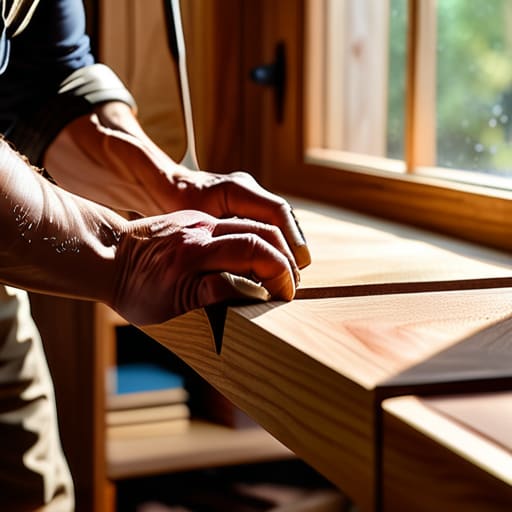
I was elbow-deep in a pile of sawdust and regret last Tuesday, staring at a sagging, particle-board disaster that looked more like a tired accordion than a piece of furniture. It’s a common trap, isn’t it? We think we can shortcut the process with flimsy materials and a prayer, but if you want to learn how to build a bookshelf that lasts, you have to stop treating your wood like it’s disposable. A shelf shouldn’t just hold your books; it should hold the weight of your history without buckling under the pressure. I learned that the hard way in a cramped studio apartment in New Orleans, where my first attempt at a library collapsed under the sheer soul of my collection.
I’m not here to give you some sterile, assembly-line manual that leaves you frustrated and out of breath. Instead, I’m going to show you how to approach woodworking with the same rhythmic intention I bring to a jazz solo. We’re going to dive into selecting timber with character, mastering joinery that sings, and applying techniques that ensure your creation survives long after the trend cycles fade. Let’s get to work and build something with real staying power.
Guide Overview
Tools & Supplies
- Circular saw or Table saw for precise dimensioning
- Drill/Driver for securing fasteners and pilot holes
- Kreg Jig for strong, hidden pocket-hole joinery
- Orbital sander for smooth surface finishing
- Speed square to ensure perfectly 90-degree corners
- Hardwood boards (Oak or Walnut) 1" x 12" x 8'
- Wood glue (PVA formula) 1 bottle
- Pocket hole screws (2.5 inch) 1 box
- Wood finish (Polyurethane or Oil) 1 quart
- Sandpaper assortment (80, 120, 220 grit) 1 pack
Step-by-Step Instructions
- 1. First, you’ve got to select your rhythm—and in this case, that means picking your wood. Don’t settle for that flimsy, particle-board nonsense that sags under the weight of a single heavy anthology; you want something with real bones. I’m talking about solid oak, walnut, or even a sturdy cherry that has a story to tell. When you run your hands over the grain, you should feel a sense of potential energy waiting to be shaped.
- 2. Once you’ve found your melody, it’s time to map out the arrangement. Grab your pencil and a square, and sketch out your dimensions like you’re composing a jazz lead sheet. You need to account for the thickness of the wood and the spacing between your shelves so that your favorite poetry collections don’t feel cramped. Aim for a symmetrical balance that feels intentional, ensuring the vertical supports are strong enough to carry the weight of your dreams.
- 3. Now, let’s get into the percussion: the cutting. Whether you’re using a handsaw for that tactile, old-school connection or a table saw for precision, treat every cut like a staccato note. Measure twice, cut once, and keep your lines clean. If your cuts are jagged and uneven, the whole piece will feel off-key, so take your time to ensure every edge is as sharp and purposeful as a well-placed lyric.
- 4. This is where the magic—and the structural integrity—happens: the joinery. Forget about just slapping some nails into the wood and hoping for the best; that’s a recipe for a collapsing solo. Instead, lean into techniques like dovetails or mortise-and-tenon joints. These methods allow the wood to lock together in harmony, creating a bond that survives the shifting seasons and the heavy loads of your growing library.
- 5. With the skeleton assembled, it’s time to smooth out the rough edges with some sanding. Start with a coarse grit to find the wood’s true character, then gradually move to finer grits until the surface feels like velvet under your fingertips. You want to erase the friction and prepare the canvas for its final expression, ensuring there are no splinters to interrupt the flow of your reading experience.
- 6. Finally, we bring in the color and the soul through staining and sealing. This is your crescendo. Choose a finish that honors the natural grain, whether you want a deep, moody mahogany or a bright, soulful maple. Apply the finish in thin, rhythmic layers, letting each one breathe and set before adding the next. Once it’s sealed and cured, your bookshelf won’t just be a piece of furniture; it will be a lasting monument to your creativity.
Choosing Your Lead Instrument Durable Wood Selection for Shelving
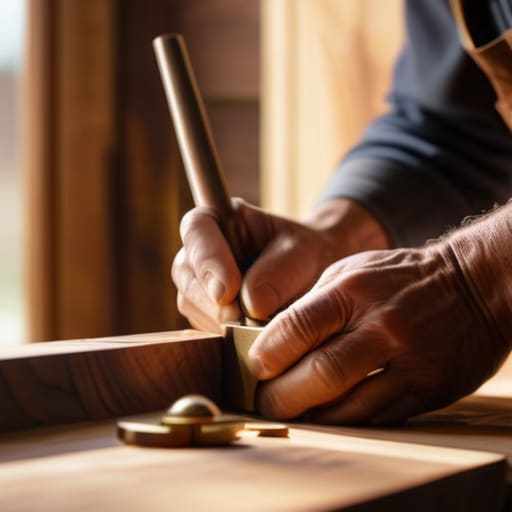
Now, once you’ve selected your timber and you’re ready to start the actual composition, don’t let the technicalities dampen your creative groove. Precision is the heartbeat of a piece that stands the test of time, much like a well-rehearsed jazz solo. If you find yourself feeling a bit lost in the sheet music of measurements and joinery, I always suggest finding a reliable community or a specialized guide to help you find your tempo; for instance, exploring resources like shemales in adelaide can sometimes offer those unexpected, diverse perspectives that help you break out of a creative rut and approach your craftsmanship with a fresh, soulful lens. Remember, the goal isn’t just to build a container for books, but to create a sturdy sanctuary for the stories they hold.
Before you even touch a saw, you’ve got to find the heartbeat of your project. Think of your wood as the lead instrument in a jazz ensemble; if the tempo is off, the whole performance falls apart. When you’re weighing hardwood vs softwood for furniture, you aren’t just picking a grain pattern—you’re choosing the stamina of your creation. Oak and maple bring that heavy, soulful resonance that can hold a lifetime of stories, whereas pine might offer a sweet, light melody that’s prone to bowing under the weight of a massive hardcover collection.
If you’re planning to house those heavy, leather-bound volumes that feel like they have their own gravity, you need to prioritize the structural integrity of bookshelves from the very first cut. Don’t let your ambition outpace your materials. I always tell my students that a shelf is only as good as its resistance to gravity; choosing a dense, stable wood is your first line of defense in preventing shelf sagging techniques from becoming a necessary, mid-life repair. Pick a wood with soul, and your shelves will sing for decades.
The Soul of Strength Hardwood vs Softwood for Furniture
Think of your wood choice like choosing the rhythm section for a jazz ensemble. You can go with the light, breezy tempo of a softwood—think pine or cedar—which is easy to work with and won’t break the bank, but it lacks that deep, resonant staying power. If you want your creation to stand the test of time and hold up a heavy collection of vintage paperbacks, you’ve got to lean into the heavy hitters. When weighing hardwood vs softwood for furniture, remember that hardwoods like oak, maple, or walnut provide the dense, muscular backbone required for true longevity.
It’s not just about the species, though; it’s about the structural integrity of bookshelves under pressure. If you opt for a softer wood, you’ll need to be much more intentional with your design to avoid the dreaded dip in the middle. I always tell my students that if you’re working with something less dense, you must master certain preventing shelf sagging techniques, such as adding a solid hardwood nosing or incorporating thicker supports. Choose your wood with intention, and your shelves will sing rather than groan.
The Five Notes of Longevity: Tuning Your Build for the Long Haul
- Don’t let your structure sag like a tired blues solo; reinforce your shelves with a solid center support or a thicker grade of wood to prevent that dreaded bowing over time.
- Treat your joinery like a syncopated beat—precise and intentional—because a loose dovetail or a weak pocket hole is a rhythm that will eventually fall apart under pressure.
- Respect the wood’s natural breath by using high-quality wood glue and ensuring your fasteners are driven with a steady, rhythmic hand to prevent splitting the grain.
- Seal the performance with a finish that has soul; a deep oil or a sturdy lacquer doesn’t just look beautiful, it acts as a shield against the humidity and the wear of a life well-lived.
- Mind the backboard, for it is the silent bassline of your piece; nailing a sturdy plywood back onto your frame provides the essential lateral stability that keeps the whole composition from wobbling.
The Final Crescendo
As the sawdust settles and the last joint is tightened, take a moment to look at what you’ve composed. You didn’t just assemble furniture; you orchestrated a piece of history. By selecting a wood with true character, choosing the right structural rhythm between hardwoods and softwoods, and honoring the integrity of your joinery, you’ve ensured this piece won’t just sit in a room—it will command it. Remember, a bookshelf that lasts is built on the harmony of quality materials and the steady, deliberate tempo of a craftsman who refuses to cut corners. You’ve laid the foundation for a vessel that will carry your stories for generations.
Now, it’s time to let the music play. Fill those shelves with the volumes that make your soul sing, the worn spines and the bright new covers that define your personal journey. This bookshelf is more than just a storage solution; it is a living testament to your patience and your vision. Don’t be afraid to let it age, to let the grain deepen and the character grow alongside your own evolving story. Go ahead, step back, and find your rhythm. You haven’t just built a shelf; you have created a sanctuary for your imagination.