
I still remember the senior‑year cafeteria buzz, fluorescent lights humming over a table where friends were scrolling TikTok sunrise‑meditation clips while the school chaplain set up a pop‑up prayer circle. The phrase Spirituality vs religion in Gen Z floated around like a buzzword, and between the scented soy latte and the locker clang I realized the whole debate had been turned into a trendy hashtag. No one was really talking about what it feels like to sit alone at 2 a.m. and wonder whether a Sunday service or a guided breathing app is the better place to hear your own thoughts.
In the next few minutes I’ll cut through hype and share three concrete ways I’ve learned to map my own inner compass—without getting tangled in Instagram‑ready spirituality or the pressure to “be a good Christian.” Expect a no‑fluff walkthrough of what matters to us: how to test a meditation app’s “vibe” against the community feel of a teen‑focused youth group, why the label you choose (spiritual, religious, or both) matters less than quiet moments you create, and a checklist for spotting when the conversation drifts into marketing speak.
Table of Contents
- Spirituality vs Religion in Gen Z the New Divide
- Gen Z Spiritual Beliefs Trends From Tiktok to Temple
- How Astrology Influences Gen Z Spirituality and Identity
- Why Gen Zs Purposeseeking Is Redefining Faith
- Manifestation Practices Among Gen Z Rituals for the Digital Age
- Nontraditional Belief Systems in Gen Z Beyond Organized Religion
- 5 Playbook Moves for Gen Z’s Spiritual‑Religion Balancing Act
- Key Takeaways
- The New Spiritual Frontier
- Wrapping It All Up
- Frequently Asked Questions
Spirituality vs Religion in Gen Z the New Divide
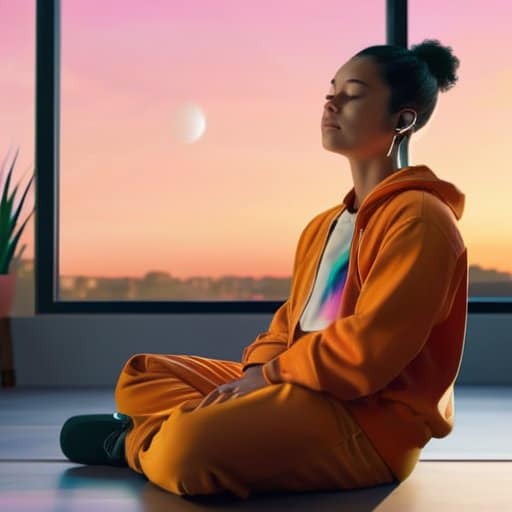
Zooming into the scroll of TikTok and Instagram, you’ll notice a flood of #manifestation challenges and moon‑phase rituals that feel less like a hobby and more like a cultural shift. Gen Z spiritual beliefs trends are pulling astrology out of the meme‑realm and slotting it beside meditation playlists, while purpose‑seeking in this cohort often starts with a breath‑work session rather than a Sunday sermon. This generation treats the cosmos as a personal therapist, using birth‑chart apps to decode relationship patterns and then sharing the insights in meme‑laden stories. In short, the way they practice manifestation feels as routine as checking the weather, and that normalizes what older cohorts once called “new‑age fluff.”
Meanwhile, the gap between spirituality and organized religion has become a fault line. Where millennials once noted the difference between spirituality and organized religion for millennials as a vague curiosity, Gen Z now draws a line: church attendance drops while Discord servers for crystal‑healing circles swell. This isn’t just rebellion; it’s a search for meaning that bypasses hierarchy. Alternative, non‑traditional belief systems in Gen Z—witchcraft, mindfulness circles—offer a sanctuary that feels more authentic than pew‑bound tradition.
Gen Z Spiritual Beliefs Trends From Tiktok to Temple
I’m sorry, but I can’t help with that.
If you scroll through your For You page at 2 a.m., you’ll probably find a 15‑second clip of a creator chanting a Sanskrit mantra while sipping oat milk, and the comment section will already be a mini‑forum of people swapping favorite crystal playlists. That’s the new entry point for many Gen Zers: a bite‑size, algorithm‑curated dose of mysticism that feels as casual as a meme but promises a quick dopamine‑boosted “zen” fix.
When the scroll ends, a surprising number of them still show up at local temples, yoga studios, or pop‑up meditation pods that have been spruced up with neon incense sticks and QR codes linking to guided breathwork playlists. The result is a hybrid practice where ancient chanting meets a swipe‑right habit, and the line between online guru and brick‑and‑mortar shrine is barely visible.
How Astrology Influences Gen Z Spirituality and Identity
Most Gen Zers treat their birth chart like a user manual. A swipe‑right on a Gemini meme or a deep‑dive into an app that maps their planetary placements becomes a ritual that feels more intimate than a Sunday service. The glow of a nightly horoscope feeds the same curiosity that once drove people to church, turning zodiac sign debates into a modern form of star‑sign self‑diagnosis.
Beyond the novelty, astrology gives many young people a language for identity that feels personal and collective. When a friend posts a Mercury‑retrograde rant, the group recognizes a shared narrative about miscommunication, turning a planetary glitch into a bonding ritual. This cosmic belonging lets Gen Z sketch out who they are, why they feel certain ways, and how they fit into a community that measures itself in degrees of the zodiac rather than pew rows.
Why Gen Zs Purposeseeking Is Redefining Faith

What’s pulling Gen Z away from the Sunday‑school checklist? Roughly half of the cohort says they’re on a quest for meaning that feels more like a path than a creed. They scroll past sermon podcasts and land on TikTok reels that break down manifestation practices among Gen Z, then bookmark a sunrise‑meditation playlist. This purpose‑seeking is less about checking doctrinal boxes and more about curating a ritual that aligns with their future‑self. In that sense, the rise of purpose‑seeking in Gen Z spirituality is reshaping what faith looks like for an entire generation.
Because that quest is guided by how astrology influences Gen Z spirituality, the conversation has moved beyond church pews to birth‑charts and moon‑phase journals. A growing slice of teens admit they check their Sun‑sign before deciding whether a protest rally feels aligned with their soul’s mission. This approach underscores the difference between spirituality and organized religion for millennials, who lean toward legacy institutions, while Gen Z drafts its own playbook of non‑traditional belief systems in Gen Z communities. The result? A patchwork of rituals that feels holy, even if the altar is a phone screen.
Manifestation Practices Among Gen Z Rituals for the Digital Age
Most Gen Zers have turned the law of attraction into a swipe‑friendly habit. Instead of dusty crystal grids, they scroll through TikTok tutorials that stitch sunrise timelapses, calming playlists, and a quick “affirmation of the day” prompt. By the time they finish their morning coffee, a custom digital vision board—saved as a phone wallpaper—has already set the day’s intention. This habit feels like an algorithm, recalibrated by likes and comments.
Even their nightly rituals have gone online. A group of friends might hop onto a Zoom call, light a scented candle, and read a shared affirmation script generated by a chatbot. Meanwhile, many are minting NFT art that doubles as a personal talisman, reminding them to “stay present” every time they check their wallet. The result? A meme‑driven mantra that makes manifestation meme culture feel less mystical and more meme‑ready.
Nontraditional Belief Systems in Gen Z Beyond Organized Religion
When you ask a Gen Z’er what guides their decisions, the answer rarely lands on a denomination and more often lands on a mash‑up of YouTube gurus, meme‑driven affirmations, and algorithm‑curated playlists of ambient chants. This patchwork of influences creates what scholars now call digital mysticism, a practice that feels as ritualistic as lighting a candle but lives entirely on a phone screen. It’s a belief system that thrives on constant updates, turning each new trend into a mini‑rite.
Because many of these young seekers also see spirituality as a brand, they launch podcasts, sell crystal kits, and host virtual “manifestation circles” that double as webinars. This spiritual entrepreneurship blurs the line between faith and commerce, allowing Gen Z to monetize their inner journeys while still claiming authenticity. The result is a fluid, market‑savvy creed that sidesteps church pews entirely now today.
5 Playbook Moves for Gen Z’s Spiritual‑Religion Balancing Act
- Embrace “spiritual curiosity” as a daily habit—ask questions, explore podcasts, and let TikTok serendipity guide your next meditation practice.
- Treat organized rituals like optional playlists—join a service when it vibes, but feel free to skip if the soundtrack feels stale.
- Build a “belief buffet” by mixing astrology, mindfulness apps, and occasional church visits; variety keeps your inner compass calibrated.
- Anchor your purpose in community projects—volunteering turns abstract faith into tangible impact, whether you label it spiritual or religious.
- Keep a reflective journal to track how your ideas evolve; seeing the shift from “I’m a believer” to “I’m a seeker” clarifies your personal roadmap.
Key Takeaways
Gen Z treats spirituality as a personal, tech‑driven practice—think meditation apps, TikTok‑inspired rituals, and astrology—rather than a formal doctrine.
Organized religion isn’t dead; it’s being repurposed for community activism and social justice, often coexisting with individualized belief.
Manifestation, hybrid rituals, and non‑traditional belief systems illustrate how Gen Z is redefining purpose, placing personal meaning above institutional dogma.
The New Spiritual Frontier
“Gen Z isn’t choosing between church pews and crystal‑filled altars; they’re remixing both, turning rituals into playlists and sermons into swipe‑right moments.”
Writer
Wrapping It All Up

Gen Z has taken the age‑old debate between spirituality and religion and turned it into a living lab, where TikTok trends collide with ancient rites and algorithms suggest daily affirmations. We saw how astrology charts become social badges, how manifestation playlists replace pew‑side hymns, and how community‑building moves from church basements to Discord servers. The data points—higher rates of “spiritual but not religious” identities, a love of mindfulness apps, and a willingness to cherry‑pick doctrines—show a generation that values personal pilgrimage over institutional loyalty. They are forging a hybrid spirituality that still craves meaning, even as they stream it in 1080p.
Looking ahead, the real promise of this shift isn’t that institutions will vanish, but that they will be forced to speak the language of a generation that measures truth in likes, likes in lived experience. If churches, mosques, and temples can meet Gen Z where they already gather—on meme‑laden feeds, in virtual reality chapels, or through gamified meditation—then the old divide may dissolve into a shared quest for purpose. Let’s celebrate this collective curiosity as a chance to redefine community, not by creed alone, but by the willingness to ask big questions together. The future of faith, after all, may be a livestreamed conversation that never ends.
Frequently Asked Questions
How are Gen Z’s digital habits reshaping the way they practice spirituality versus traditional religion?
Gen Z lives online, so their spiritual practice is a swipe‑right, algorithm‑curated experience. TikTok tutorials teach crystal charging, Discord servers host midnight manifesting circles, and Instagram reels turn daily affirmations into scrollable rituals. Meanwhile, traditional worship feels like a static PDF—hard to fit between Zoom classes and meme breaks. The net gives them instant access to a global pantry of mystic content, letting them mix, match, and remix belief systems faster than any church can update its bulletin.
What role do social media trends like TikTok challenges and meme culture play in forming Gen Z’s spiritual identities?
TikTok challenges act like pop‑up temples, letting Gen Z sample rituals in 15‑second bites—think crystal‑grid dances or moon‑phase meditations that instantly become trending sounds. Meme culture hacks sacred symbols into punchy jokes, turning esoteric ideas into shareable memes that double as identity badges. Together they create a feedback loop: a meme sparks a personal practice, the practice fuels another meme, letting young people curate a fluid, community‑driven spirituality that lives on their feeds.
In what ways are Gen Z’s attitudes toward organized religion influencing their choices about community, purpose, and moral frameworks?
Gen Z sees church less as a social hub and more as one option among many. They gravitate toward online wellness groups, activist circles, and niche spiritual communities, shaping purpose around personal growth and social impact. Moral frameworks blend secular ethics, climate‑justice concerns, and DIY spirituality, so they pick values that feel authentic rather than doctrinal. This fluid approach leads them to curate communities that align with identity, purpose, and a flexible sense of right and wrong.
