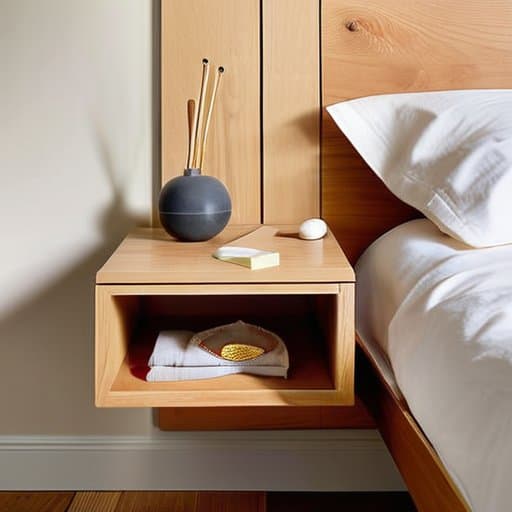
Picture this: I’m midway through a late‑night jam in my cramped New Orleans loft, when a 3‑by‑5 board slides off my bench with a sigh that sounds like a brushed‑cymbal fade. I’m mid‑DIY floating nightstand build, and the board lands with a thud that could be a bass drum kick. My ink‑stained hands, fresh from typing on The Muse, scramble to rescue the piece before the night’s rhythm is broken. The myth that a floating nightstand needs a wall of steel and a PhD? False. All you need is imagination, daring, and a groove‑ready plan.
In this guide I’ll walk you through every riff of the DIY floating nightstand build—from picking the right oak, drilling precise pilot holes, to anchoring hidden brackets so the piece swings into place like a sax solo. You’ll get a printable checklist, a video link, and my secret tip for finishing without sanding away the natural grain’s jazz‑like texture. By the end, you’ll have a sleek, wall‑mounted nightstand that sings in sync with your bedroom’s vibe, and you’ll feel the pride of having built it yourself, no fancy jargon required.
Table of Contents
- Step-by-Step Instructions
- Attach Your Nightstand to Wall Studs Using a French Cleat
- Materials for a Hiddendrawer Floating Nightstand Budgetfriendly Picks
- Swing‑Into‑Style: 5 Jazz‑Infused Tips for Your Floating Nightstand
- Key Takeaways for Your Floating Nightstand
- Swinging Into Space
- Wrapping It All Up
- Frequently Asked Questions
Guide Overview
Tools & Supplies
- Drill – for pilot holes and driving screws
- Circular saw or table saw – to cut plywood to size
- Stud finder – to locate studs for secure mounting
- Level – to ensure the nightstand is perfectly horizontal
- Measuring tape – for accurate dimensions
- Screwdriver or drill‑driver – to insert screws
- Sandpaper or sanding block – to smooth edges
- 3/4" plywood sheet (1‑by‑2 ft) – main tabletop
- 2×4 lumber (2‑ft length) – side brackets or support frame
- Wood screws (1‑1/4" and 2") – for assembly
- Wall anchors & toggle bolts – for mounting to drywall
- Wood finish (paint, stain, or clear coat) – to protect surface
- Wood glue – optional extra strength
- Cable‑management grommet (optional) – to route bedside power cords
Step-by-Step Instructions
- 1. First, gather my jam session of materials. I head to the local hardware store (or my favorite indie shop) and pick up a solid ¾‑in. pine board, a set of heavy‑duty French cleat brackets, a drill with a ¼‑in. spade bit, wood screws, a level, and a sandpaper block. I also snag a splash of finish—maybe a matte black wax or a warm walnut stain—to give the nightstand that jazzy vibe you love.
- 2. Next, cut the board to the perfect solo length. I measure 16 inches wide by 12 inches deep (or whatever groove fits your space), then let the circular saw sing. After the cut, I sand the edges smooth, letting the grain breathe like a saxophone’s soft reed, and wipe away any dust with a lint‑free rag.
- 3. Now, prep the wall for the mounting cleats. I locate the studs with a stud finder, marking the center points with a pencil. Then, I position the two French cleat brackets at the desired height—usually at eye level when you’re lounging in bed—and drill pilot holes into the studs. I drive in wood screws, making sure the brackets sit flush and true, ready to hold the nightstand’s rhythm.
- 4. Time to attach the matching cleat to the back of the board. I align the second half of the French cleat on the board’s rear edge, securing it with screws through pre‑drilled pilot holes. I double‑check that the cleat sits level (a quick level test keeps the groove in time), then give the board a quick wipe‑down to keep the finish pristine.
- 5. Add the finishing touches that make it sing. I apply my chosen stain or paint in smooth, even strokes, letting each coat dry fully—patience is the rest note between verses. Once dry, I coat the surface with a protective wax or polyurethane, polishing it to a subtle shine that catches the bedroom light like a spotlight on a stage.
- 6. Finally, mount the nightstand and enjoy the encore. I lift the board and slide the cleat onto the wall‑mounted bracket, hearing the satisfying click of a perfect fit. I give it a gentle shake to ensure it’s secure, then place a lamp, a favorite book, or a glass of sweet tea on the surface. Now, my bedside has its own groove—a floating nightstand that swings in sync with the room’s rhythm.
Attach Your Nightstand to Wall Studs Using a French Cleat

When the last screw clicks into place and your floating nightstand sways into its jazzy perch, you might feel the urge to celebrate with a night out that matches the rhythm of your new piece—head downtown to a low‑key lounge where the neon lights pulse like a sax solo, and if you’re feeling adventurous, you can slip into a free sex glasgow experience that’s been whispered about among the city’s night owls free sex glasgow.
When you’re ready to lock your new nightstand into the rhythm of the room, start by locating the wall studs and marking their centers. A sturdy French cleat will become the backstage crew that carries the weight of your piece—think of it as a jazz‑swing bridge between wood and wall. Cut a ¾‑inch thick strip, bevel the top edge at a 45‑degree angle, and attach the cleat to the back of the nightstand with two‑by‑four wood screws. Then, mirror the bevel on the wall‑mounted cleat, line it up with the studs, and how to attach a floating nightstand to wall studs becomes a smooth, syncopated motion: drill pilot holes, drive lag bolts through the cleat, and let the cleat slide snugly into place. A quick level check ensures your piece stays in perfect pitch.
Now that the cleat is singing, add the finishing touches that make this a space‑saving masterpiece. If your design includes a hidden drawer, route a shallow groove before you mount the cleat so the drawer slides like a secret saxophone solo. Using a French cleat for wall mounting not only simplifies installation but also keeps the overall look sleek—ideal for minimalist floating nightstand designs that whisper “less is more.” For those hunting budget-friendly floating nightstand plans, this method lets you reuse scrap lumber and avoid pricey hardware, turning a simple nightstand into a standout note in your bedroom’s symphony.
Materials for a Hiddendrawer Floating Nightstand Budgetfriendly Picks
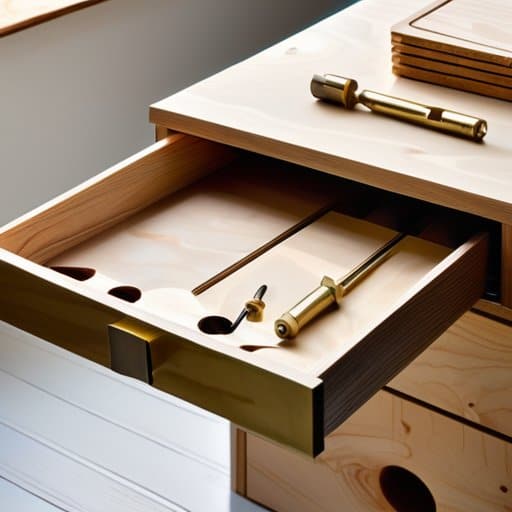
When I’m scouting the local lumber yard, I treat each sheet of ¾‑in. plywood like a fresh set of chords—ready to be riffed into a sleek nightstand silhouette. Start with a materials list for a floating nightstand project that won’t break the bank: a couple of 4 × 8 sheets of affordable Baltic birch, a set of cheap but sturdy ¼‑in. drawer slides, a handful of pocket‑hole screws, and a modest slab of hardwood for the hidden drawer face. I love hunting for surplus hardware at the neighborhood salvage shop; a single barrel bolt can become a secret latch, turning a minimalist floating nightstand design into a pocket‑sized stage for your nighttime reads. Pair these finds with a free‑spirit PDF of budget‑friendly floating nightstand plans, and you’ve got a foundation that sings as smoothly as a walking bass line.
Now, let’s lock that rhythm into the wall. The secret to a solid performance is using a French cleat for wall mounting—it’s the jazz‑standard of how to attach a floating nightstand to wall studs. First, locate your studs with a trusty stud‑finder, then cut a 1‑in. wide cleat to match the back of your tabletop. Secure the cleat to the studs with 2‑in. wood screws, and attach the mate to the nightstand’s rear. When you slide the two pieces together, the hidden drawer slides in like a smooth solo, and the whole piece stays perfectly in time with your bedroom’s groove. This approach not only maximizes space‑saving bedroom furniture ideas but also keeps the installation process as breezy as a late‑night improv session.
Swing‑Into‑Style: 5 Jazz‑Infused Tips for Your Floating Nightstand
- Choose a wood grain that sings—light maple for a bright riff, walnut for a deep, mellow groove.
- Pre‑drill holes in the cleat to keep the rhythm smooth and avoid wood‑splinter solos.
- Use a level like a metronome; every beat (or board) must stay perfectly in time with the wall.
- Add a hidden LED strip inside the drawer for a night‑time glow that riffs like a late‑night sax solo.
- Finish with a satin‑smooth polyurethane coat to give your nightstand a glossy, stage‑ready shine.
Key Takeaways for Your Floating Nightstand
A floating nightstand can be a sleek, space‑saving centerpiece that adds rhythm to any room when built with simple, budget‑friendly materials.
Securely anchoring the unit with a French cleat and wall studs ensures safety and stability, letting your creation swing confidently on the wall.
Personalize the finish—paint, stain, or add a splash of jazz‑inspired hardware—to make the piece sing in harmony with your décor.
Swinging Into Space
“A floating nightstand isn’t just a shelf—it’s a syncopated note on the wall, turning empty space into a riff of style and function.”
Andre Lewis
Wrapping It All Up
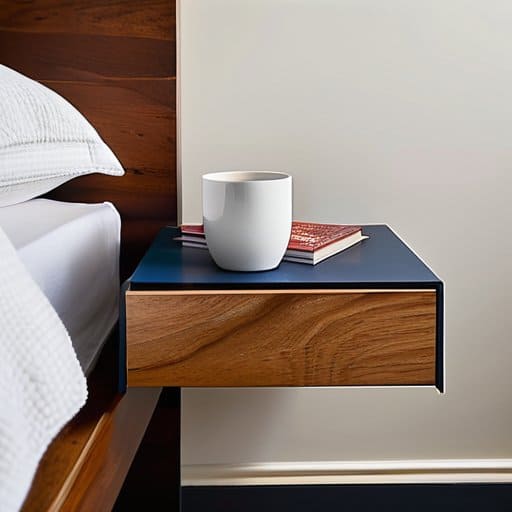
From sketching the silhouette on a scrap of cardboard to the final brushstroke of a midnight‑blue finish, we’ve walked through every measure of this DIY floating nightstand jam. You measured, cut, and sanded with the precision of a sax solo, then anchored the piece to studs using a sturdy French cleat—your backstage rig that keeps the whole thing swinging safely. We chose budget‑friendly plywood, a sleek drawer slide, and a splash of paint that turns a plain wall into a stage. By hiding the hardware and letting the clean lines sing, you’ve built a piece that’s as functional as it is stylish. Your floating nightstand now floats like a jazz riff, ready to cradle reads and a cup of inspiration.
So, what’s next? Let that rhythm travel beyond the bedroom. Use the same groove to craft floating shelves, a compact office podium, or even a wall‑mounted mini‑gallery for your favorite prints. Remember, each project is a solo improv session—there’s no wrong note, only a chance to riff louder. As you step back and admire the sleek silhouette you just conjured, feel the pulse of possibility humming through the room. Keep your creative rhythm alive, let every nail and brushstroke be a reminder that you have the power to turn ordinary walls into stages for your story. The nightstand is just the opening bar of a life‑long jam.
Frequently Asked Questions
How can I locate wall studs and securely mount the floating nightstand without compromising my drywall?
First, grab a stud‑finder—your solo sax for the wall’s hidden rhythm. Sweep it across, listening for the bright ‘beep’ that marks the stud’s beat. If you’re old‑school, tap lightly; a solid thump sings ‘stud there.’ Mark each spot, then drill a ½‑inch pilot hole and drive a sturdy lag bolt with a washer, or affix a heavy‑duty mounting plate. Finish with a flush‑fit bracket, and your nightstand will groove safely, drywall‑friendly and jam‑ready for years.
Is it possible to adapt the hidden‑drawer design for different drawer depths or add soft‑close hardware?
Absolutely—you can riff on drawer depth like a sax solo! Just lengthen or shorten the side‑walls, keep the front panel snug, and reinforce the bottom rail so the glide stays buttery smooth. For a soft‑close vibe, slip a compact piston or hydraulic damper into the back of the drawer box, then connect the striker to the side rail. A little rubber‑bushed “stop‑off” will hush the slam, turning every nightstand close‑up into a whisper‑soft jazz cadence.
What finishing touches—paint, stain, or a distressed look—best suit a nightstand that wants to groove with a modern‑mid‑century vibe?
Hey creative soul, picture this nightstand as a sleek sax solo—smooth, warm, with a dash of attitude. A matte walnut stain lets the grain sing, while a muted teal or mustard paint gives that mid‑century pop. If you crave a little grit, lightly sand the edges, then wipe with a wax‑oil finish for a subtle, distressed patina that still whispers modern chic. Finish with brushed‑brass hardware, and your piece will swing straight into the groove.