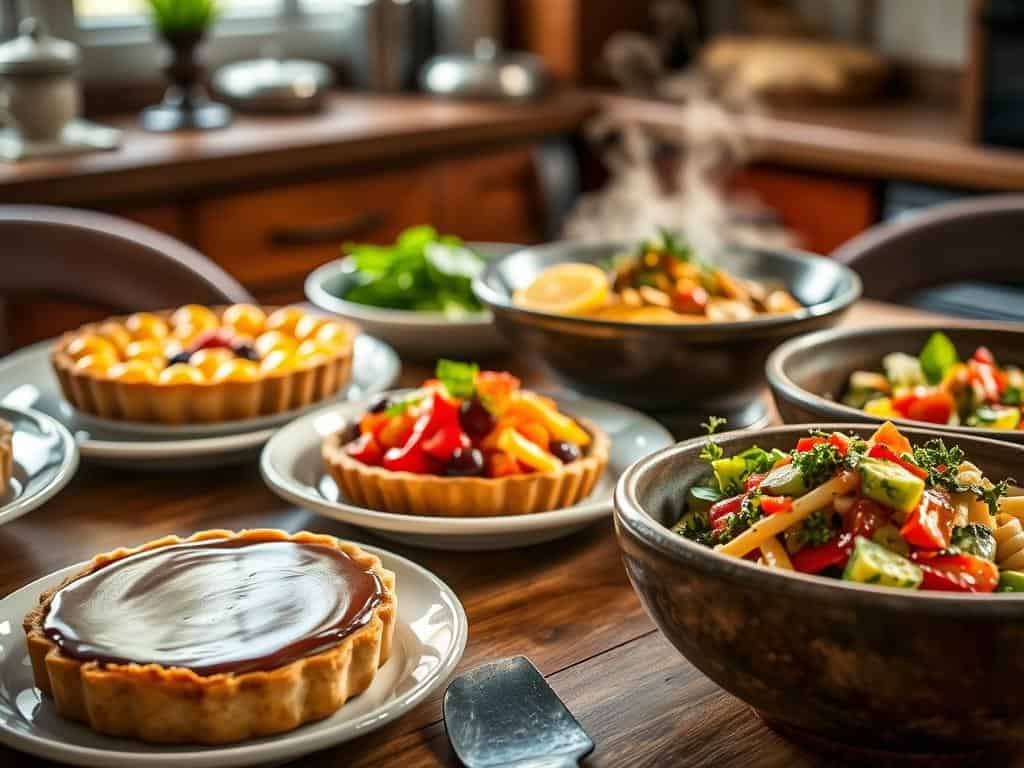
Did you know that food photography can boost sales by 20% or more? This is true when food images are used in menus and marketing. Today, over 70% of people use social media food images to decide what to eat. So, learning to take great food photos is key to influencing what people choose to eat and driving sales.
As we explore food photography, I’ll share tips that mix creativity with stunning visuals. Whether you’re taking photos of home-cooked meals or restaurant dishes, knowing about lighting, composition, and styling is essential. These skills can turn simple photos into mouth-watering ones. Food photography is both an art and a practical skill, improving visuals and customer satisfaction.
Key Takeaways
- Professional food photography can increase sales significantly.
- Natural light is preferred by 85% of food photographers for its enriching qualities.
- Camera angles play a vital role in creating enticing food images.
- Props can enhance food photography engagement rates on social media.
- Understanding lighting techniques can dramatically improve photographic quality.
- Investing in quality equipment, like a DSLR, can yield superior results.
Understanding the Importance of Lighting in Food Photography
Lighting is key in food photography. It changes how we see dishes in photos. Whether using natural or artificial light, it greatly affects the mood and look of food images. Knowing about these lighting options is vital for great food photography.
Natural Light vs. Artificial Light
Natural light is the top choice for food photographers. It creates soft shadows and brings out texture, making food look more appealing. Shooting near a window lets photographers capture the beauty of natural light at different times.
Trying a bowl of fruit in various spots shows how light changes in a room. Natural light is free but can be hard to predict, affected by weather and seasons.
Artificial light, on the other hand, offers more control. It’s perfect for commercial shoots where consistent lighting is needed. A basic artificial light setup is affordable and reliable, great for evening shoots in dark places.
Best Times of Day for Shooting
The golden hours, just after sunrise and before sunset, are the best for photography. The soft, warm light during these times makes food colors pop and adds a nice glow. Exploring light changes in your home at different times helps you use natural light to create stunning food images.
Essential Food Styling Techniques for Stunning Shots
Mastering food styling can greatly enhance the impact of food photography. It’s not just about showing a dish. It’s about creating a visual story that grabs the viewer’s attention. Using props and backgrounds adds depth and context, making the images more appealing.
The Role of Props and Backgrounds
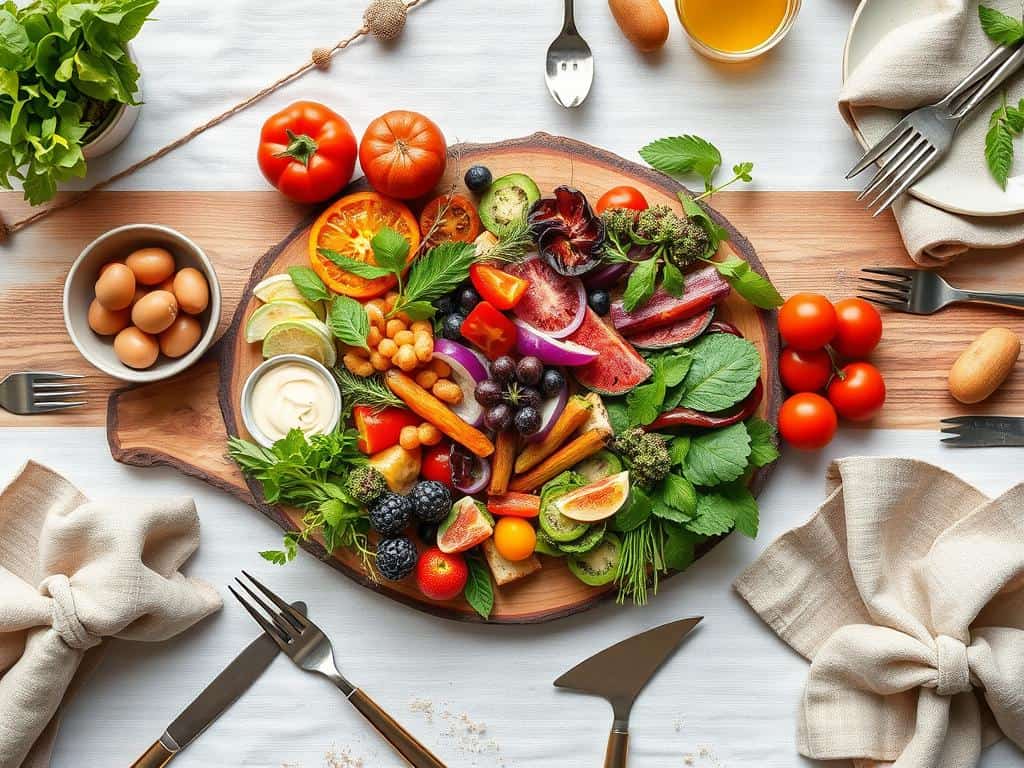
The right props can make food photos more attractive. Small plates and bowls can make a scene feel more intimate. They also highlight the dish’s essence. Fresh ingredients serve as props and show the dish’s freshness.
Layering different elements, like napkins and plates, adds depth to the image. A good setup might have 3 to 5 layers for a more dynamic look.
How to Enhance Colors and Textures
Using enhancing colors is key to vibrant images. Linen napkins in different colors can improve contrast and texture. Texture is also important; mixing smooth and rough elements makes the image more interesting.
Adding garnishes or fresh herbs can add visual interest. A “lived-in” look can be achieved by adding small messes, like crumbs. This suggests the dish was just made.
By using these food photography techniques, my work has improved a lot. DIY tricks, like making fake water droplets, can enhance freshness. These methods turn simple shots into captivating stories that engage the audience.
Tips for Photographing Food: Composition and Angles
When taking pictures of food, how you arrange things is key. Knowing the angles in food photography can make your photos pop. By trying out different views, you can find special ways to show off the food’s best sides.
Experimenting with Different Angles
It’s important to use various angles to show off dishes. You might choose overhead, 45-degree, or straight-on shots. Each angle gives a unique look that can make the dish more interesting.
For example, overhead shots are great for showing everything at once. On the other hand, a 45-degree angle adds depth, which is perfect for layered foods like cakes. I pick an angle that matches the food’s texture and look.
Using the Rule of Thirds and Leading Lines
The rule of thirds is a big deal in food photography composition. It divides the image into nine squares to create balance. This helps focus the viewer’s attention on the most appealing parts of the dish.
Using leading lines is another smart trick. It guides the viewer’s eye through the photo, making it a smooth journey. Things like silverware or tablecloths can be great leading lines. This makes the photo more engaging and highlights the food’s beauty.
Conclusion
Mastering food photography is all about mixing lighting, styling, and composition. Each part is key to making food look inviting. For example, good lighting shows off a dish’s fresh textures and bright colors, making it more appealing.
While exploring food photography, I learned the value of trying different angles. Shots from above or directly in front can make a dish pop. It’s not just about following tips; being creative can lead to amazing photos that grab attention.
Food photography is both an art and a skill. By following these basics, anyone can take stunning photos that draw people into the world of food. I hope this recap inspires you to grab your camera and dive into the world of food photography!
