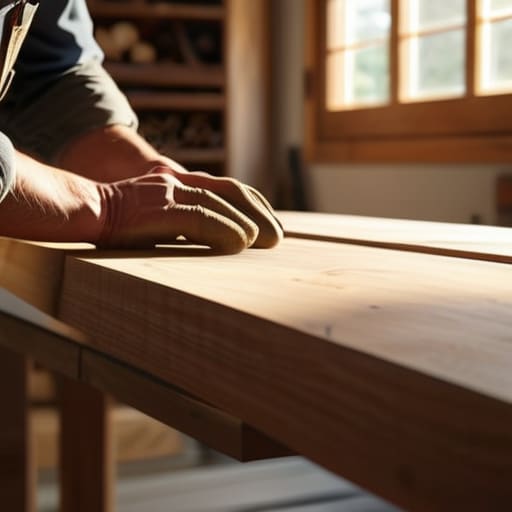
I was sitting in a dusty corner of a little shop in the French Quarter, rearranging a stack of poetry volumes to form a makeshift sonnet, when the whole display groaned and buckled under its own weight. It was a heartbreaking sight—a beautiful collection of voices silenced by a flimsy, mass-produced structure that couldn’t handle the gravity of their truths. Most people think that building furniture is just about following a blueprint and driving a few screws, but they’re wrong; if you want to learn how to build a bookshelf that lasts, you have to treat the wood like a rhythmic foundation rather than just a commodity.
In this guide, I’m stepping away from the sterile, cookie-cutter instructions you find in big-box manuals to give you something much more soulful. I’ll walk you through the essential grit and grace of selecting timber with character, mastering joinery that breathes, and applying finishes that honor the grain. We aren’t just assembling boards here; we are constructing a timeless vessel for your stories. By the time we’re done, you won’t just have a place to store your books—you’ll have a masterpiece that stands as steady as a midnight jazz bassline.
Guide Overview
Tools & Supplies
- Circular saw or Table saw for precise cuts
- Drill/Driver for assembly and joinery
- Kreg Jig for pocket hole joinery
- Orbital sander for smooth finish
- Speed square for ensuring 90-degree angles
- Hardwood boards (Oak or Maple) 1×12, 4-5 pieces
- Wood glue (High strength) 1 bottle
- Pocket hole screws (1-1/4 inch) 1 box
- Wood finish or Polyurethane 1 quart
- Sandpaper (80, 120, and 220 grit) 1 pack
Step-by-Step Instructions
- 1. First, we need to find our rhythm by selecting the right wood. Forget that flimsy, particle-board nonsense that sags under the weight of a single heavy anthology; you need something with bones. I recommend a sturdy hardwood like oak or walnut, or even a high-quality maple. Think of your wood selection as choosing the right instrument for a solo—it needs to have the structural integrity to hold the melody of your library for decades to come.
- 2. Once you’ve found your timber, it’s time to map out the composition. Grab your measuring tape and a carpenter’s pencil to sketch your dimensions, but don’t just draw lines; visualize the space between the notes. You’ll need to account for the thickness of your boards to ensure your shelves aren’t too shallow for those oversized art books. Precision here is everything, because a slight misalignment at the start will turn your beautiful symphony into a clashing discord by the time you reach the finish.
- 3. Now, let’s get to the heavy lifting: the cuts. Whether you’re using a table saw or a steady hand with a circular saw, approach every cut with the focus of a jazz drummer finding the pocket. Ensure every edge is square and true. If your cuts are jagged, the wood won’t sit flush, and your bookshelf will wobble like a syncopated beat that’s just a little too off-tempo. Aim for clean, decisive lines that honor the grain.
- 4. It’s time to bring the pieces together, and this is where the magic—and the muscle—happens. I’m a big believer in the marriage of glue and joinery. Don’t just rely on simple nails; use mortise and tenon joints or even sturdy dowels to create a connection that’s virtually unbreakable. Apply your wood glue generously, let it soak into the fibers, and then clamp everything down tight. You want these pieces to become one singular, breathing entity.
- 5. As the glue sets, we move into the refinement phase: sanding. This is the part that requires patience, much like practicing a difficult scale until it flows effortlessly. Start with a coarse grit to smooth out the rough edges and gradually move toward a finer, silkier grit. You aren’t just removing splinters; you are uncovering the soul of the wood, preparing its surface to receive its final, beautiful skin.
- 6. Finally, we give the piece its voice through staining or oiling. This is your chance to add color, depth, and character to your creation. I love using a natural oil that lets the original texture of the wood sing through. Apply it in thin, even layers, watching as the grain dances and deepens under your touch. Once it’s dry, you haven’t just built a piece of furniture; you’ve crafted a timeless vessel for the stories that define you.
Selecting Durable Wood Types for Shelving With Soul
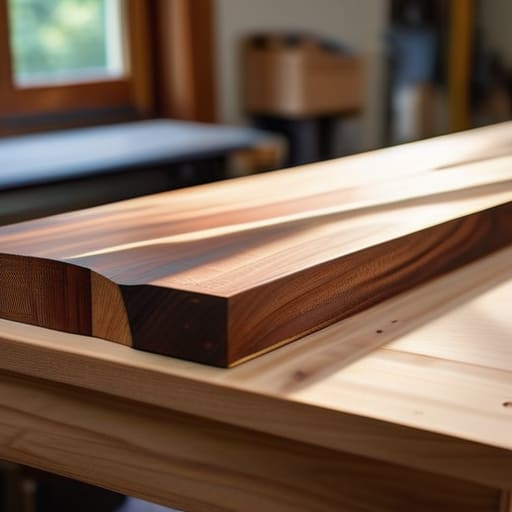
Selecting the right timber isn’t just a technicality; it’s like choosing the right instrument for a solo. You wouldn’t walk onto a stage with a flute expecting the thunder of a brass section, so don’t approach your build with flimsy, characterless materials. When hunting for durable wood types for shelving, think about the density and the “song” the grain sings. Hardwoods like oak, maple, or walnut are your heavy hitters—they possess the structural integrity to carry the weight of your heaviest poetry collections without breaking a sweat. They have a rhythm all their own, a sturdiness that feels intentional and grounded.
If you’re working with softer woods, you have to be smarter about the composition. To keep your lines clean and avoid the heartbreak of preventing shelf sagging, consider the span between your supports. A long, unsupported stretch of pine is a melody that loses its tempo under pressure. Instead, aim for a heavy duty bookshelf design by incorporating thicker planks or more frequent vertical dividers. Treat your wood selection like a jazz improvisation: respect the natural limitations of the material, but use your skill to bend it into something magnificent and enduring.
Mastering Joinery Techniques for Bookshelves and Structural Integrity
Now, we move from the soul of the timber to the skeleton of the piece. Think of your joinery not just as a way to hold boards together, but as the rhythmic backbone of your entire composition. If the connections are weak, the melody falls apart. When exploring joinery techniques for bookshelves, I always lean toward the classics—mortise and tenon or perhaps a sturdy dovetail if you’re feeling particularly adventurous. These aren’t just old-school tricks; they are the structural anchors that ensure your creation doesn’t just sit there, but stands with intention.
But listen close: even the finest wood can succumb to the weight of a thousand heavy biographies if you aren’t careful. To maintain the structural integrity of bookcases, you must respect the physics of the load. I’ve seen too many beautiful projects bow and weep under pressure. To succeed in preventing shelf sagging, consider adding a solid hardwood nosing to the front edge or incorporating a center support. It’s like adding a steady bassline to a frantic drum solo—it provides the necessary grounding that allows the rest of your art to soar without collapsing under its own gravity.
The Rhythm of Resilience: Five Secrets to a Shelf That Never Skips a Beat
- Respect the Grain, Respect the Song: Always align your wood grain with the direction of the weight. Just like a bassist holding down the low end, the grain provides the structural backbone that keeps your shelf from sagging under the heavy weight of your literary collection.
- The Anchor of Stability: Don’t let your masterpiece wander; secure it to the wall with the same intention a jazz drummer uses to find the pocket. A bookshelf that isn’t anchored is a solo without a rhythm section—it might look good, but it lacks the grounding required to stay upright through the years.
- Mind the Moisture, Mind the Mood: Treat your wood like a delicate melody. If you’re building in a humid corner of the house, seal that wood with a finish that breathes but protects, preventing the warping that can turn a beautiful shelf into a distorted blues riff.
- Scale Your Spacing with Soul: Avoid the temptation of uniform perfection. Plan your shelf heights to accommodate the grand, sweeping epics and the slim, lyrical poetry books alike. A shelf that accommodates variety is a shelf that invites life, much like a well-composed arrangement.
- The Integrity of the Fastener: Don’t go cheap on the hardware. Use screws and dowels that possess the same strength and character as the wood itself. A flimsy screw is a sour note in an otherwise perfect symphony, and you don’t want your stories collapsing because you skipped the heavy lifting.
The Final Chord: Your Legacy in Wood
As the sawdust settles and the final sanding stroke smooths out the grain, take a moment to look at what you’ve composed. You didn’t just follow a set of instructions; you orchestrated a symphony of selection and skill. From choosing a wood species with a deep, resonant heart to mastering the intricate dance of joinery that keeps your structure from faltering, you have laid the groundwork for something permanent. By prioritizing structural integrity and selecting materials that age with grace, you’ve ensured that this piece won’t just hold weight—it will hold history. This isn’t a temporary fixture; it is a testament to your craftsmanship and a vessel built to endure the shifting seasons of life.
Now, the stage is set for the most beautiful part of the performance: the filling. As you begin to place your well-loved novels and cherished keepsakes upon these shelves, remember that you are breathing life into the wood. A bookshelf is more than a storage solution; it is a curated landscape of your own imagination and a sanctuary for the stories that shaped you. Don’t be afraid to let it evolve, to let the light hit the grain, and to let it become a living part of your home. Go forth and build with passion, for you aren’t just making furniture—you are crafting a stage for the endless stories yet to be told.
Now, as you’re deep in the rhythm of the build, don’t forget that the most important part of any sanctuary is the company you keep within its walls. Just as a jazz ensemble needs that spontaneous, electric connection to truly sing, your creative space thrives when it’s filled with living energy and shared experiences. If you ever find yourself craving a bit of unexpected human connection or a chance to explore new social rhythms while you’re taking a break from the sawdust, you might find some inspiration in wandering through free adult chat rooms to see where the conversation leads. It’s all about finding those unscripted moments that keep your spirit as vibrant as the wood you’re shaping.