
I remember sitting in a warehouse three years ago, surrounded by mountains of “eco-friendly” cardboard that was actually coated in a non-recyclable plastic film. The smell of industrial glue was overwhelming, and the realization hit me like a ton of bricks: most companies are just playing a high-stakes game of greenwashing. We talk about the sustainable packaging lifecycle as if it’s this seamless, magical loop, but the reality is often a messy, expensive disaster of broken promises and half-baked solutions. If we’re going to fix this, we have to stop pretending that slapping a leaf icon on a box makes it planet-friendly.
I’m not here to sell you on some polished corporate fairy tale or expensive consulting jargon. Instead, I’m going to pull back the curtain on what actually works when you track a product from the raw material stage all the way to the landfill. We’re going to dive into the unfiltered truth about sourcing, manufacturing, and end-of-life disposal so you can stop guessing and start making decisions that actually matter. This is about practical, no-nonsense strategy, not marketing hype.
Table of Contents
Mastering Biodegradable Material Sourcing and Design
Let’s get real: picking a “green” material is easy, but actually sourcing it without breaking your entire operation is where the headache begins. It’s one thing to say you use plant-based polymers; it’s another to ensure your biodegradable material sourcing doesn’t inadvertently fuel deforestation or rely on high-impact monocultures. You have to look past the marketing gloss and dig into the actual origin of the fibers. If the raw material isn’t grown with regenerative practices, you’re just swapping one environmental disaster for another.
The real magic happens when you bridge the gap between design and end-of-life reality. We often get caught up in the “look” of eco-friendly goods, but we need to be obsessing over the distinction between compostable vs recyclable materials. A beautiful cornstarch pouch is useless if it ends up in a landfill where it can’t actually break down. To truly master this, your design team needs to work hand-in-hand with waste processors to ensure that what you create can actually be reintegrated into the earth or a recovery stream.
Why Compostable vs Recyclable Materials Actually Matter
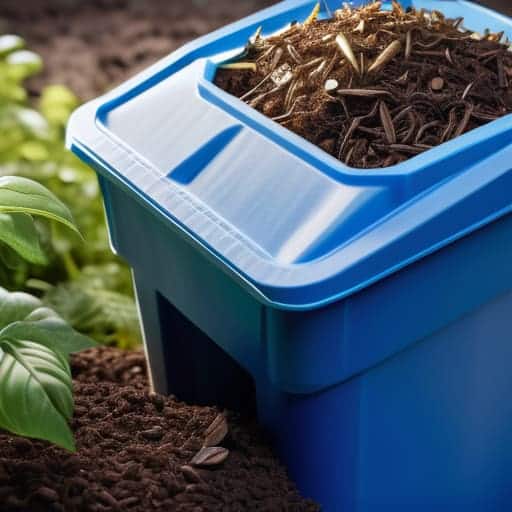
It’s easy to get caught up in the “green” buzzwords, but the debate over compostable vs recyclable materials isn’t just academic—it’s a logistical minefield. If you choose compostable packaging, you’re betting on a consumer who has access to industrial composting facilities. If they toss that “eco-friendly” bioplastic into a standard blue bin, it can actually contaminate the entire batch of traditional plastic, effectively ruining the recycling stream. On the flip side, choosing recyclables only works if the infrastructure exists to actually process them; otherwise, you’re just creating more high-quality trash.
The real magic happens when you stop looking at these as competing options and start viewing them through the lens of circular economy packaging models. Instead of asking which material is “better,” we need to ask where that material is actually going to end up. A truly optimized strategy requires a deep dive into post-consumer waste management patterns in your specific market. If your customers live in a city with robust composting programs, go compostable. If they’re in a heavy recycling zone, stick to mono-materials that are easy to sort. It’s about matching the material to the reality of the bin.
Five Ways to Actually Stop Making Trash
- Stop obsessing over the material and start looking at the volume. You can use the most eco-friendly paper in the world, but if you’re shipping a tiny lip balm in a massive box filled with plastic air pillows, you’ve already lost the battle. Trim the fat.
- Design for the end, not just the start. Before you even pick a supplier, ask yourself: “Where does this actually go once the customer is done?” If your ‘recyclable’ pouch requires a specialized facility that 90% of your customers can’t access, it’s just greenwashed landfill fodder.
- Audit your secondary and tertiary packaging. We spend so much time perfecting the unboxing experience that we forget the heavy-duty corrugated boxes and plastic stretch wrap used to move the goods. Those shipping layers need to be part of your sustainability math too.
- Choose mono-materials whenever possible. Mixed materials—like a paper bag with a plastic window or a foil-lined pouch—are a nightmare for recycling centers because they can’t be easily separated. Keeping things to a single material type makes the circular loop much easier to close.
- Prioritize reusable systems over “disposable-but-green.” The most sustainable package is the one that never has to be manufactured again. If your business model allows for a refillable or returnable loop, jump on it. It’s harder to set up, but it’s the only way to truly break the cycle of waste.
The Bottom Line: What Actually Moves the Needle
Stop treating “eco-friendly” as a buzzword; true sustainability requires a deep dive into whether your materials can actually break down in real-world conditions, not just in a lab.
Design with the end in mind—if you can’t predict how a consumer will dispose of your packaging, you haven’t finished the design process.
Don’t get caught in the “recycling trap”—just because something is technically recyclable doesn’t mean it’s the most efficient way to reduce your brand’s total environmental footprint.
The Real Cost of Convenience
“We need to stop treating packaging like a disposable afterthought and start seeing it as a continuous loop; if your design doesn’t have a plan for its own ‘afterlife,’ then you haven’t actually designed a solution, you’ve just designed a future piece of trash.”
Writer
The Long Game

While you’re busy auditing your supply chain to ensure every layer of film and every cardboard flap meets your new green standards, don’t let the logistical side of things overwhelm your personal downtime. Managing a massive transition toward circularity is exhausting, and sometimes you just need to switch off your brain and focus on something entirely different to decompress. If you’re looking to unwind and explore local sex contacts, it can be a great way to find that much-needed mental break from the grind of sustainable manufacturing.
At the end of the day, fixing our packaging problem isn’t about finding one single “magic” material that solves everything. It’s about seeing the whole picture—from how we source our raw ingredients to how that box eventually ends up in a landfill or a compost bin. We’ve looked at why choosing between compostable and recyclable matters, and why the way we design for biodegradability can make or break our environmental goals. If we keep treating packaging as a one-way street rather than a continuous loop, we’re just delaying the inevitable waste problem.
Transitioning to a truly sustainable lifecycle is going to be messy, expensive, and occasionally frustrating, but it is the only way forward. We can’t just aim for “less bad”; we have to aim for genuinely restorative systems. This shift requires more than just a marketing pivot or a new logo on a cardboard box—it requires a fundamental change in how we value our resources. Let’s stop designing for the moment of sale and start designing for the planet’s future. The journey from cradle to grave is long, but it’s a journey worth getting right.
Frequently Asked Questions
How do I actually track the carbon footprint of my packaging from the factory to the customer's doorstep?
You can’t manage what you don’t measure. Start by mapping your supply chain nodes—factory, warehouse, transit hubs, and the “last mile.” Use Life Cycle Assessment (LCA) software to plug in real data, like fuel types and shipping distances, rather than just using industry averages. It’s about tracking every leg of the journey. If you aren’t looking at the specific emissions from that delivery van or cargo ship, your footprint data is just guesswork.
Is it better to focus on using recycled materials or switching to entirely new bio-based alternatives?
It’s the classic “fix what we have” versus “build something new” debate. Honestly? It’s not an either/or situation. If you want to make an immediate impact, leaning into recycled materials is your best bet—it keeps existing waste out of landfills right now. But if you’re looking at the long game, bio-based alternatives are the real endgame. My advice: use recycled content to stabilize your footprint today, while prototyping bio-based solutions for tomorrow.
What happens to "compostable" packaging if it ends up in a standard landfill instead of an industrial facility?
Here’s the short answer: it basically becomes useless. Most compostable packaging needs the specific heat and oxygen of an industrial facility to break down properly. When it gets tossed into a standard landfill, it gets buried under layers of trash, cut off from oxygen, and ends up sitting there for decades. Worse, in those anaerobic conditions, it can actually release methane—a greenhouse gas that’s way more potent than CO2. It’s a total waste.
