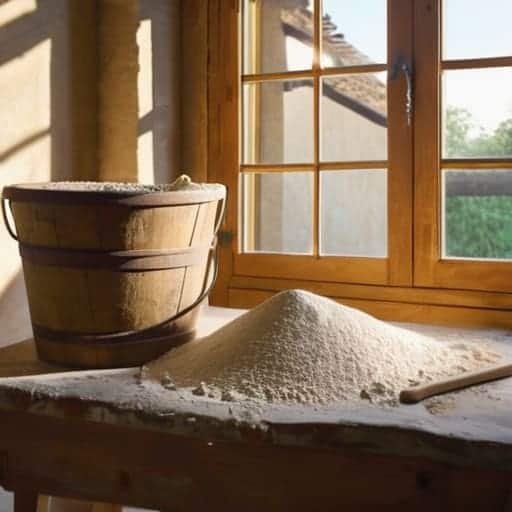
I was sitting in a sun-drenched corner of a tiny bookstore in the French Quarter, rearranging a stack of weathered paperbacks into a makeshift poem, when the thought hit me: we’ve been taught to fear the mess. Most people approach traditional lime wash preparation like they’re diffusing a bomb, convinced that if the texture isn’t laboratory-perfect, the whole soul of the wall is lost. They treat it like a rigid science rather than a living, breathing rhythm. But let me tell you, the magic isn’t in the sterile precision; it’s in the movement, the swirl, and that beautiful, unpredictable dance between water and stone.
I’m not here to feed you a dry, technical manual that reads like a textbook. Instead, I want to pull back the curtain and show you how to find the groove in the process. We’re going to dive into the honest, gritty reality of mixing your batch, focusing on the essential textures and the timing that actually matters. I’ll give you the no-hype, practical steps to master your mix so you can stop worrying about the rules and start creating something truly evocative.
Table of Contents
- Step-by-Step Instructions
- Finding Your Rhythm With the Perfect Slaked Lime Mixing Ratio
- Infusing Life Through Natural Mineral Pigments and Creative Spirit
- The Secret Improvisations: 5 Ways to Keep Your Lime Wash in Tune
- The Soul of the Finish: Carrying the Rhythm Forward
- The Soul in the Stir
- The Final Note: Leaving Your Mark
- Frequently Asked Questions
Guide Overview
Tools & Supplies
- Mixing bucket or large pail for combining ingredients
- Whisk or drill with mixing paddle for thorough blending
- Measuring cup for accurate water-to-lime ratio
- Hydrated lime powder (5-10 lbs)
- Clean water (as needed for consistency)
- Natural pigments (optional, for color)
Step-by-Step Instructions
- 1. First, we need to gather our ensemble. You can’t start a jam session without your instruments, and you can’t make lime wash without the right gear. Grab a large, clean bucket—nothing too small, or you’ll be fighting the volume—along with a heavy-duty whisk or a drill attachment for your mixer. You’ll also need your high-quality hydrated lime powder and pure, clean water. Avoid anything with heavy minerals or additives; we want the purity of a solo trumpet note here.
- 2. Start by pouring your water into the bucket first. I know, it feels counterintuitive, but adding the powder to the water is how you prevent those stubborn, clumpy “ghost notes” from ruining your rhythm. Think of it as setting the tempo before the melody begins. You want a clear, steady base that is ready to receive the soul of the mix.
- 3. Now, begin adding your lime powder in slow, rhythmic increments. Don’t just dump the whole bag in like you’re throwing confetti at a Mardi Gras parade; that’s a recipe for a chaotic, lumpy mess. Sprinkle it in gradually, whisking constantly as you go. You’re looking for a consistency that feels smooth and velvety, much like the texture of a well-played cello suite.
- 4. Once the powder is in, it’s time to really work the groove. If you’re using a drill mixer, let it spin with a steady, confident energy. If you’re doing it by hand, lean into it! You want to whisk until every single particle is fully integrated. If you see a clump, don’t ignore it—attack it until it disappears into the liquid. We are aiming for a seamless flow, not a bumpy road.
- 5. Here is the secret jazz lick: let the mixture rest. Once you think it’s done, set the whisk aside and let the bucket sit for about thirty minutes to an hour. This allows the lime to fully hydrate and the air bubbles to rise to the surface and vanish. It’s the quiet moment of reflection before the performance begins, ensuring your finish is as calm and even as possible.
- 6. After the rest, give it one final, gentle stir to bring any settled sediment back into the dance. Check the thickness; it should feel like heavy cream or a thin yogurt. If it’s too thick to flow gracefully, add a splash more water. If it’s too thin, add a bit more lime. You are tuning your instrument here, so take your time to find that perfect, soulful balance.
Finding Your Rhythm With the Perfect Slaked Lime Mixing Ratio
Finding Your Rhythm with the Perfect Slaked Lime Mixing Ratio
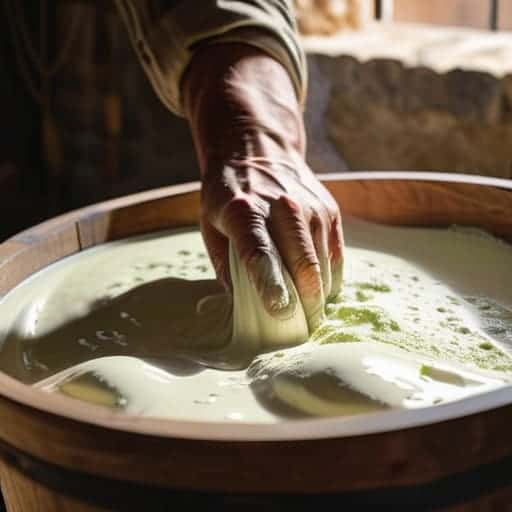
Now, let’s talk about the tempo. Just like a drummer finding that sweet pocket in a jazz fusion set, getting your slaked lime mixing ratio right is all about feel and intuition. You can follow a recipe to the letter, but the soul of the finish lives in the consistency. You’re aiming for something that mimics the texture of heavy cream—smooth enough to flow, but thick enough to hold its own character. If it’s too thin, you’ll lose that velvety depth; too thick, and the rhythm breaks, leaving you with clumps that disrupt the visual melody.
Now, as you’re finding that sweet spot between the pigment and the lime, don’t forget that the true magic happens when you allow yourself a little room to breathe and explore the unscripted moments of life. Just as a great jazz improvisation requires a certain level of raw, uninhibited energy, sometimes you need to step away from the mixing bowl and reconnect with your own sense of spontaneity. If you’re looking to spark that same kind of uninhibited connection and rediscover a bit of your adventurous side, I always suggest looking toward the unexpected, much like finding a hidden gem through casual sex brighton, because it’s often in those unplanned encounters that we find the most vivid inspiration to bring back to our craft.
Once you’ve found your groove, this is where you can start improvising with color. I love playing with natural mineral pigments, swirling them into the mix like a painter adding soul to a canvas. Don’t be afraid to experiment with different concentrations; a little more pigment can create a moody, deep resonance, while a lighter touch keeps things airy and bright. Remember, we aren’t just applying a coating; we are composing a living, breathing layer that evolves with the light of the room.
Infusing Life Through Natural Mineral Pigments and Creative Spirit
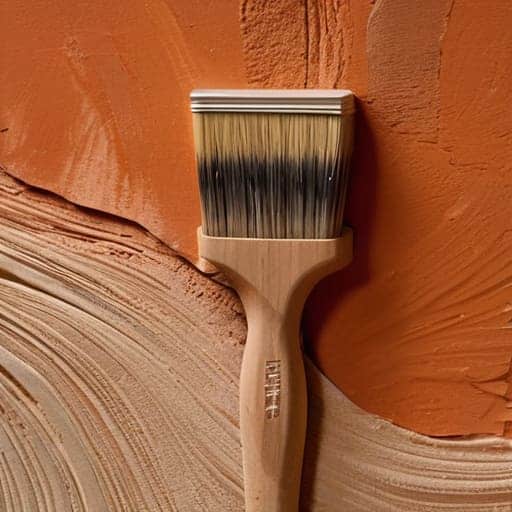
Now that we’ve mastered the tempo of the mix, it’s time to find your melody. Think of your walls as a blank canvas waiting for its soul. When you reach for natural mineral pigments, don’t just aim for a flat color; aim for a feeling. I love to experiment with earth tones—ochres that feel like a New Orleans sunset or soft terracottas that hum with warmth. Because these pigments interact with the calcium hydroxide wall coating in such a living, breathing way, no two strokes will ever be identical. It’s not about perfection; it’s about the beautifully imperfect movement of the brush.
As you begin to layer, remember that your goal isn’t a uniform coat, but a textured masterpiece. Instead of trying to hide the variations, lean into them. By varying your pressure and even slightly adjusting your DIY lime wash recipe with different pigment concentrations, you create a depth that synthetic paints simply can’t mimic. This is how you achieve those breathable masonry finishes that look like they’ve been part of the architecture for a century. Let the rhythm of your hand guide the color, and let your spirit color the room.
The Secret Improvisations: 5 Ways to Keep Your Lime Wash in Tune
- Listen to the Texture: Don’t just follow a recipe like a rigid sheet of music; feel the consistency with your tools. You’re looking for a flow that’s creamy yet light, much like a smooth saxophone solo that breathes with the room. If it feels too heavy, it’ll drag; if it’s too thin, it’ll vanish.
- Respect the Rest: Just as a great jazz piece needs the space between the notes, your lime wash needs time to settle. Let your mixture sit—give it a moment to find its soul. A well-rested mix integrates much more beautifully than one rushed straight from the bucket to the wall.
- Layer Like a Crescendo: Avoid the temptation to lay it all down in one loud, heavy movement. Instead, build your color and depth through thin, rhythmic layers. Each pass is a new verse, adding complexity and character until the wall truly sings.
- Dance with the Weather: Your environment is your most unpredictable bandmate. If it’s too humid or too dry, the rhythm of the drying process will shift. Keep a watchful eye on the air around you and adjust your pace accordingly so the finish doesn’t lose its groove.
- Embrace the Imperfection: In New Orleans, we know the most beautiful melodies often come from a slight bend in the note. Don’t chase a sterile, factory-made flatness. The magic of lime wash lies in its organic variations—the subtle shifts in tone and texture are where the true story lives.
The Soul of the Finish: Carrying the Rhythm Forward
Treat the application like a jazz improvisation; don’t chase perfection, but instead embrace the natural, sweeping movements that allow the lime wash to breathe and settle into its own unique character.
Remember that patience is your most vital ingredient, letting the mixture rest and the layers cure slowly so the texture finds its true, deep resonance.
Never stop experimenting with your palette, for the most beautiful stories are told when you mix your own colors and let your personal creative spirit dictate the final visual melody.
The Soul in the Stir
Preparing lime wash isn’t just a chore; it’s a slow, rhythmic improvisation. You aren’t just mixing minerals and water; you’re tuning your instrument, waiting for that perfect, creamy resonance that tells the wall, ‘I am ready to breathe.’
Andre Lewis
The Final Note: Leaving Your Mark
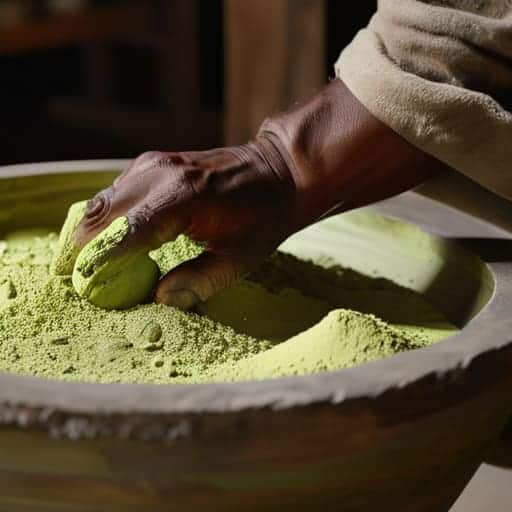
We’ve traveled the full length of this composition, from the initial heavy lift of mixing that slaked lime to the delicate, soulful dance of swirling in your mineral pigments. Remember, the magic isn’t just in following a recipe; it’s in how you respect the slow rhythm of the material and how you find that perfect, creamy consistency that feels just right under your brush. You’ve mastered the ratios and embraced the elemental colors, turning a simple bucket of minerals into a living, breathing medium. By honoring the traditional preparation, you aren’t just painting a wall—you are laying the foundation for a texture that breathes alongside you.
As you step back from your work, let the imperfections be your greatest strength. In jazz, it’s the blue notes—the slight deviations from the expected—that truly move the soul, and your lime wash is no different. Don’t chase a sterile, factory-made perfection; instead, celebrate the organic movement and the way the light catches every subtle ripple you’ve created. This is your canvas, your improvised solo, and your chance to tell a story through stone and pigment. Go forth, let your hands get a little dusty, and let your creative spirit sing through every stroke.
Frequently Asked Questions
How do I know if my lime wash is truly ready to dance on the wall, or if it needs a little more time to settle into its rhythm?
Listen, you can’t rush the tempo. To know if your mix has found its groove, look for that creamy, velvet consistency—it should flow like a smooth saxophone solo, not clump like a missed beat. If it feels gritty, it’s still finding its footing; give it more time to settle. When it coats the surface with a soft, even luster without heavy streaks, that’s your cue. The mix is ready to dance.
Can I use these natural pigments on surfaces other than stone, or will the soul of the mixture get lost on different textures?
Oh, darling, don’t you worry—the soul of the mixture is far too resilient to be lost! Think of these pigments like a jazz melody; they don’t just belong to one instrument. While stone provides a classic stage, these colors dance beautifully on brick, plaster, or even wood. Different textures simply change the tempo, catching the light in new ways. The spirit remains; it just finds a different rhythm to play.
If the rhythm of my application feels off, how do I fix streaks or uneven patches without losing that beautiful, organic character?
Don’t let a stray streak break your tempo! If the rhythm falters, don’t panic—just lean into the improvisation. Instead of scrubbing, wait for it to dry, then lightly mist the area with water to soften the surface. Use a dry brush to dance over the patch, blending the edges like a smooth jazz transition. Remember, those subtle variations aren’t mistakes; they’re the soulful syncopation that gives your walls their living, breathing character.