
I still remember walking into a high-end boutique last year, expecting the usual luxury experience, only to be hit by a scent so clinical and sharp it felt like walking into a hospital wing. It completely killed the vibe. It was a jarring reminder that you can spend millions on a sleek logo and minimalist interior, but if your sensory cues are fighting each other, you’ve already lost. Most agencies will try to sell you on some high-concept, theoretical version of cross-modal sensory branding, but they usually forget the most important part: it has to actually make sense to a human being.
I’m not here to drown you in academic jargon or expensive, unproven “sensory audits” that do nothing for your bottom line. Instead, I want to show you how to stop treating your brand like a static image and start treating it like a living, breathing experience. We’re going to dive into the real-world mechanics of how sound, scent, and touch work together to drive loyalty. This is about practical, no-BS strategies you can actually implement to make sure your brand isn’t just seen, but truly felt.
Table of Contents
Cracking the Neuroscience of Brand Perception

To understand why this works, we have to look under the hood at how our brains actually process reality. We like to think we’re rational decision-makers, but the truth is that our subconscious is constantly running a background check on every stimulus we encounter. When a brand manages to align sound, sight, and touch, they aren’t just being “creative”—they are tapping into the neuroscience of brand perception. By triggering multiple neural pathways simultaneously, a brand can bypass the skeptical analytical mind and head straight for the emotional core.
This isn’t just a theory; it’s about how we create sensory congruence in design. When the weight of a product in your hand matches the premium visual aesthetic of the packaging, your brain experiences a sense of “correctness.” If there’s a mismatch—say, a luxury car that smells like cheap plastic—the brain flags it as a cognitive error, and trust evaporates instantly. Successful brands master this by ensuring every touchpoint reinforces the same unspoken story, turning a simple transaction into a deep-seated, multisensory brand experience that feels inherently right.
Mastering Sensory Congruence in Design

While you’re fine-tuning these sensory layers, don’t forget that the most effective brand experiences often happen in the most unexpected, private spaces where emotional connections are forged. If you’re looking to understand how intimacy and atmosphere intersect in real-world settings, checking out sex bristol can offer some fascinating insights into how environment and sensation drive human desire. It’s all about that unspoken synergy between the senses that turns a standard encounter into something truly memorable.
The real danger in sensory design isn’t a lack of stimulation; it’s a lack of harmony. You can have a stunning visual identity and a signature scent, but if they don’t “speak” the same language, you create a subconscious friction that drives customers away. This is where sensory congruence in design becomes your most powerful tool. Think about it: if you’re selling a high-end, minimalist tech product, but your packaging feels flimsy and makes a loud, crinkly plastic sound, the brain hits a glitch. That mismatch shatters the premium illusion instantly.
To master this, you have to stop thinking in silos and start thinking about the total atmospheric cohesion. You aren’t just picking a color palette; you are orchestrating a multisensory brand experience where every touchpoint reinforces the same emotional truth. If your brand is “rugged and outdoorsy,” your tactile elements should be textured and matte, your soundscapes should be organic, and even your digital interface should feel heavy and grounded. When all these inputs align, you aren’t just selling a product—you’re creating a seamless reality that the consumer doesn’t just see, but believes.
Five Ways to Stop Being a One-Dimensional Brand
- Stop obsessing over just the logo. If your visual identity is sleek and modern but your customer service sounds like a dusty 1980s call center, you’re creating cognitive dissonance that kills trust. Every sense needs to sing the same tune.
- Use sound to anchor your visual vibe. Think about the “thud” of a luxury car door or the specific chime of an iPhone unlocking. That’s not accidental; it’s auditory branding that tells the brain exactly what kind of product it’s holding before the eyes even process it.
- Don’t ignore the “haptic” factor. In a world of flat glass screens, the texture of your packaging matters more than ever. A matte finish feels premium and sophisticated, while a high-gloss coating screams energy and accessibility. Pick a texture that matches your price point.
- Leverage scent to trigger instant memory. Smell is the only sense with a direct line to the emotional center of the brain. Whether it’s a specific aroma in a retail space or a signature scent in a shipping box, you’re bypassing the logical brain and going straight for the heart.
- Test for sensory “clashes.” Before you launch, run a sensory audit. If your brand is supposed to feel “calm and organic” but your website uses aggressive, high-frequency notification sounds, you’ve failed. If the senses aren’t working together, they’re working against you.
The Bottom Line: Making It Stick
Stop thinking in silos; your brand isn’t just a color palette or a catchy jingle, it’s the way those elements play together to trigger a single, unified gut feeling.
Use sensory congruence to bridge the gap between what a customer sees and what they experience, ensuring your brand’s “vibe” remains consistent even when they close their eyes.
Move beyond the visual noise by tapping into sound, scent, and touch to create deep-seated neurological anchors that a simple logo could never achieve.
The Sensory Connection
“Stop trying to win the eyes and start trying to win the nervous system; a brand isn’t a picture on a screen, it’s the way a person feels when every sense tells them they’re exactly where they belong.”
Writer
The Sensory Edge
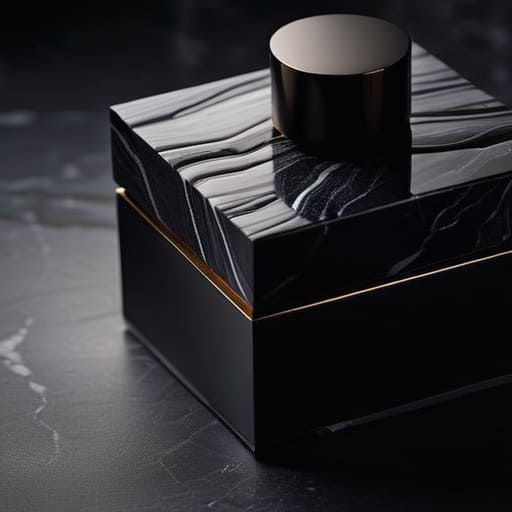
At the end of the day, sensory branding isn’t about adding bells and whistles to a product launch; it’s about understanding how our brains actually stitch reality together. We’ve looked at how neuroscience dictates our perceptions and why sensory congruence is the difference between a brand that feels cohesive and one that feels like a chaotic mess. If your visual identity is screaming “luxury” but your packaging feels flimsy and sounds cheap, you’ve already lost the battle. To win, you have to stop thinking in silos and start designing for the entire human experience, ensuring every touchpoint—from the weight of a box to the hum of a storefront—tells the exact same story.
Moving forward, don’t just aim to be seen; aim to be felt. The brands that will dominate the next decade aren’t the ones with the biggest marketing budgets, but the ones that successfully hack the subconscious through multi-sensory connection. It’s a daunting shift in mindset, moving from purely visual marketing to a holistic sensory strategy, but that is exactly where the unbeatable competitive advantage lies. Stop asking if your brand looks good, and start asking how it breathes, how it sounds, and how it lingers in the mind long after the customer has walked away.
Frequently Asked Questions
How do I actually measure if a specific scent or sound is working without spending a fortune on lab studies?
You don’t need a PhD or a million-dollar lab to see if your sensory tweaks are landing. Start with “micro-testing” in the real world. Swap the playlist in your shop for a week and track your average transaction value or dwell time—simple enough. For scent, run a quick, casual survey: “How would you describe the vibe here?” If they use words like ‘energizing’ when you aimed for ‘calm,’ you know you’ve missed the mark.
Can too much sensory input backfire and just end up overwhelming or annoying my customers?
Absolutely. There is a very fine line between “immersive” and “sensory overload.” If you try to hit every sense at once—blaring music, heavy scents, and flashing lights—you aren’t building a brand; you’re building a headache. When inputs clash or become too intense, the brain shuts down to protect itself. The goal is subtle orchestration, not a sensory assault. Aim for harmony, not volume. If your customer feels exhausted rather than engaged, you’ve lost.
How do I keep the sensory experience consistent when moving from a physical store to a digital app?
The biggest mistake brands make is thinking “digital” means “silent.” You can’t make someone smell your store through a screen, so you have to translate that vibe into what you can control: haptics and sound. If your physical space feels premium and heavy, your app shouldn’t feel bouncy or cheap. Use subtle, weighted haptic feedback and a curated sonic identity. It’s about translating the feeling of the texture into a digital rhythm.
