The ink was still drying on my latest poem when I looked out at my backyard and realized my soil was playing a completely different tune than my soul. Most people approach the idea of gardening like they’re studying for a dry, academic exam, convinced they need a PhD in botany and a mountain of expensive gear just to see a single sprout. But let me tell you a secret: learning how to start a vegetable garden isn’t about following a rigid, sterile manual; it’s about finding the natural syncopation between your hands and the earth. You don’t need a perfect landscape, you just need the courage to get a little dirt under your fingernails and listen to what the ground is trying to compose.
In this guide, I’m stripping away the horticultural jargon and the high-priced gimmicks to give you the raw, rhythmic essentials of growth. We aren’t just planting seeds; we are arranging a living symphony. I’ll walk you through the soulful basics of choosing your spot, prepping your stage, and selecting the right players for your patch. You’ll get the honest, no-hype truth about nurturing life from the ground up, ensuring your first season is less of a struggle and more of a beautiful improvisation.
Guide Overview
Tools & Supplies
- Trowel for digging small holes
- Garden fork for breaking up soil
- Watering can for gentle hydration
- Vegetable seeds or seedlings (10-15 varieties)
- Potting mix or compost (3-5 bags)
- Garden containers or raised bed kit (1-2 units)
Step-by-Step Instructions
- 1. Scout your stage by finding the perfect patch of earth where the sun performs its daily solo. Most veggies need at least six to eight hours of that golden light to truly find their groove, so watch how the shadows dance across your yard before you commit. You want a spot that isn’t just bright, but has soulful drainage—you don’t want your little green performers drowning in a muddy blues number after a heavy rain.
- 2. Prepare your canvas by enriching the soil with a rich, dark compost that feels like velvet between your fingers. Think of this as the bassline of your garden; it provides the deep, steady foundation that everything else builds upon. If your soil is tired or sandy, mix in some organic matter to give it the nutrients it needs to improvise and grow with strength.
- 3. Select your cast of characters with an eye for the season and your own appetite. Don’t try to play a complex bebop arrangement on your first go; start with a few reliable classics like cherry tomatoes, basil, or snappy snap peas. Choose plants that resonate with your lifestyle—if you aren’t going to cook with kale, don’t let it take center stage in your plot.
- 4. Set the tempo by planting your seeds or starts with careful intention and rhythmic spacing. If you crowd them too close, they’ll fight for space like musicians stepping on each other’s toes during a frantic crescendo. Give every leaf and stem enough room to breathe and expand, ensuring each one has its own moment to shine in the sunlight.
- 5. Keep the rhythm steady with a consistent watering schedule that respects the heartbeat of the earth. Instead of a chaotic deluge, aim for a gentle, soaking hydration that reaches deep into the roots where the real magic happens. Consistency is the secret melody of a thriving garden; sudden droughts and floods will only throw your plants off their beat.
- 6. Tend to your ensemble by pulling weeds as soon as they try to hijack the spotlight. These uninvited guests are like static on a vinyl record—they’ll try to steal the nutrients and light meant for your stars. Stay mindful and keep your garden clean and composed, so the focus remains entirely on the vibrant flavors you’re cultivating.
Finding the Groove With Best Vegetables for Beginners
Now, as you start to feel the tempo of your garden picking up, don’t feel like you have to play this solo all by yourself. Sometimes, the best way to find your rhythm is to lean into the wisdom of a community—to find those soulful spaces where voices intersect and ideas bloom. If you find yourself looking for a different kind of connection or a place to simply be yourself while exploring new social landscapes, reaching out to a trans chat can be a beautiful way to find that sense of belonging and shared expression that every artist, and every gardener, truly craves.
Now, let’s talk about selecting your ensemble. You wouldn’t walk onto a stage and try to lead a full big band without learning your scales first, right? The same logic applies to your patch of earth. When you’re scouting for the best vegetables for beginners, think of them as your foundational rhythm section—steady, reliable, and soulful. I always tell my students to start with the classics: radishes that pop up like a quick drum fill, leafy greens that flow like a smooth bassline, or cherry tomatoes that burst with a bright, melodic sweetness. These varieties are forgiving, allowing you to find your footing without the frustration of a complex, dissonant harvest.
As you compose this living masterpiece, remember that even the best soloists need a little harmony. This is where the magic of companion planting for vegetables comes into play. Just as a trumpet needs the warmth of a piano to truly sing, certain plants thrive when they sit side-by-side, naturally warding off unwanted guests and boosting flavor. It’s about creating a symbiotic groove where every leaf and stem plays its part in a larger, delicious symphony.
Preparing the Stage Through Vegetable Garden Soil Preparation
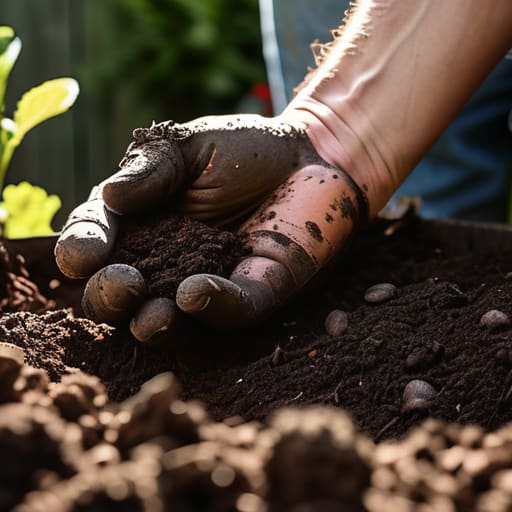
Before the first seed even dreams of breaking the surface, you’ve got to treat your dirt like a jazz bassist treats a rhythm section—it’s the foundation that holds the whole melody together. You can’t just throw some tired, dusty earth into a plot and expect a masterpiece. Real vegetable garden soil preparation is about creating a rich, dark, and breathing canvas. I like to think of it as tuning your instrument; you’re mixing in compost, aged manure, and perhaps a bit of organic matter to ensure the texture is loose and lively. If you’re working with containers or elevated structures, keep these raised bed gardening tips in mind: don’t just use backyard dirt, which can be too heavy and suffocating. Instead, aim for a blend that lets the roots dance freely without getting trapped in a muddy funk.
Think of your soil as a living, breathing ensemble. It’s not just “dirt”; it’s a community of microbes and nutrients working in sync. When you nourish the ground, you aren’t just feeding plants—you’re cultivating the soul of your garden. This prep work ensures that when you finally introduce those beginner-friendly greens, they have the strength to hit every high note.
Tuning Your Instrument: Five Pro-Tips for a Garden That Swings
- Listen to the rhythm of your water source. Don’t let your plants perform a dry solo in the middle of a heatwave; ensure your hose or rain barrel is close enough to keep the hydration flowing like a smooth bassline.
- Watch the light like a jazz drummer watches the tempo. Your garden needs its spotlight—aim for at least six hours of sun, or you’ll find your greens playing a very slow, melancholy tune in the shadows.
- Don’t try to play a whole symphony on your first day. Start with a small, manageable patch—maybe just a few raised beds—so you can master the melody before you attempt a complex, sprawling masterpiece.
- Embrace the beautiful improvisation of mulch. Lay down a layer of straw or wood chips to keep the moisture in and the weeds out; think of it as the steady percussion that keeps the soil from getting too chaotic.
- Keep a lyrical journal of your progress. Note when the first sprout dances above the dirt and when the pests try to crash the party; your garden is a living story, and you’re the one writing its rhythm.
Harvesting Your Own Creative Symphony
As the dust settles on your preparations, take a moment to look at the stage you’ve set. You’ve scouted the perfect sun-drenched spot, selected your beginner-friendly cast of characters, and tuned your soil until it’s ready to sing. It isn’t just about seeds in the dirt; it’s about the meticulous rhythm of preparing the foundation so that your garden can eventually find its own flow. You’ve done the heavy lifting, from choosing the right vegetables to ensuring the earth is rich and ready, and now you are standing on the precipice of something truly delicious.
Remember, a garden is never a finished composition; it is a living, breathing improvisation that evolves with every season. There will be unexpected solos—a sudden pest, a dry spell, or a rogue weed—but that is where the true magic happens. Don’t fear the mistakes, for they are just the blue notes of growth that teach you how to play better next time. Step into your garden with the heart of a musician and the soul of a poet, and let the simple act of nurturing life become your most profound masterpiece. Keep growing, keep dancing, and most importantly, keep listening to the rhythm of the earth.