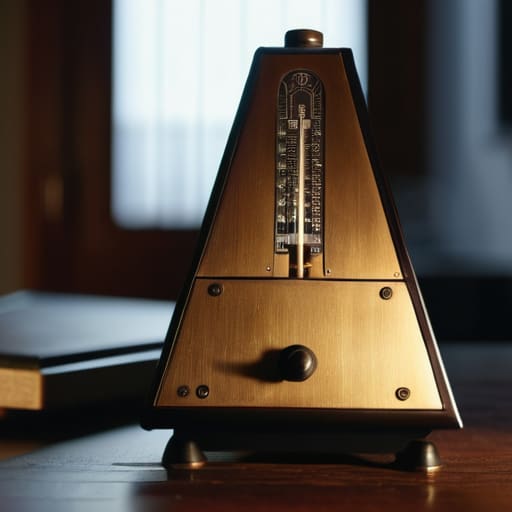
The clack-clack-clack of ‘The Muse’ was particularly frantic last night, the keys dancing to a rhythm that felt less like jazz and more like a funeral march. I was staring at a half-finished manuscript, realizing that the structural blueprint I’d laid out months ago had become a cage rather than a foundation. We’re often told to double down, to push through the friction with sheer willpower, but that’s a lie that kills more dreams than failure ever will. You don’t need a spreadsheet or a complex diagnostic tool to figure out how to notice when a plan stopped working; you need to listen to the soul of the work. When the creative spark turns into a heavy, mechanical chore, your intuition is already screaming the answer.
I’m not here to feed you some sanitized, corporate roadmap for “pivoting.” Instead, I want to share the raw, unvarnished truth I’ve learned from years of navigating the beautiful chaos of storytelling. I’m going to show you how to recognize those subtle dissonances in your process before they turn into total burnout. We are going to learn to trust your internal compass so you can stop forcing the wrong notes and start finding your true creative tempo again.
Sensing the Signs of Strategic Failure in Your Rhythm
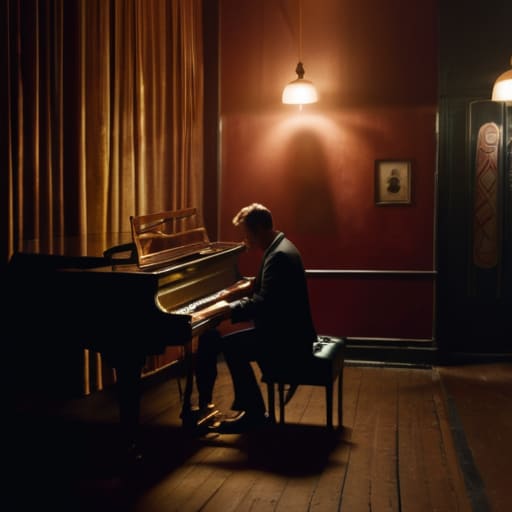
You know that feeling when you’re sitting in a dimly lit club in the French Quarter, and the band is playing the same chord progression for far too long? The energy starts to leak out of the room. The audience stops swaying, and even the musicians look like they’re just going through the motions. That’s exactly what happens when you’re identifying diminishing returns in your creative or professional life. You’re putting in the hours, hitting the keys, and sweating the details, but the output feels hollow. It’s not just fatigue; it’s a signal that the melody you’re chasing has lost its hook.
When you start noticing these indicators of ineffective workflows, it’s easy to mistake the friction for progress. You tell yourself that if you just play the bridge a little harder, the song will finally click. But true mastery lies in the ability to listen to the dissonance. If your daily actions feel like they’re fighting against your ultimate vision, you aren’t just facing a rough patch—you’re witnessing the subtle signs of strategic failure. It’s time to stop playing through the noise and start listening to the silence.
Measuring Goal Misalignment Before the Music Fades
It’s one thing to feel a vague sense of unease, but it’s another to sit down with your notebook and realize the melody you’re playing no longer matches the song in your heart. When I’m working with my students, I tell them that measuring goal misalignment isn’t about checking a box; it’s about checking your pulse. Are you still chasing the same crescendo you envisioned six months ago, or are you just playing the same notes out of habit? If the output of your labor feels hollow, you might be identifying diminishing returns where every ounce of effort yields less and less soul.
Don’t let the momentum carry you into a dead end just because you’re afraid of the silence. You have to look at the mechanics of your daily grind—the indicators of ineffective workflows that act like a drummer playing slightly off-beat. When the friction between your intention and your reality becomes constant, you’re standing at that crossroads of pivot or persevere decision making. Listen closely to that dissonance; it’s not a failure, it’s your creative compass telling you it’s time to change the key.
Tuning Your Ear to the Silent Notes: 5 Ways to Spot a Fading Melody
- Listen for the Friction. When a plan is working, it should feel like a smooth jazz progression—even the complex parts have a flow. If every single step feels like you’re dragging a heavy bass through thick mud, that’s not “hard work,” that’s a sign the rhythm is fundamentally broken.
- Watch for the ‘Ghost Notes.’ In jazz, the space between the beats is just as vital as the notes themselves. If you find yourself filling all your time with frantic, busy-work activity that doesn’t actually move the needle, you’re playing ghost notes—making noise to hide the fact that the real melody has stopped.
- Check Your Emotional Resonance. Ask yourself: Does this still sing to my soul? If the original spark that ignited this project has been replaced by a hollow, repetitive drone of obligation, your creative compass is pointing toward a dead end.
- Look for the Static in the Signal. When you’re in the groove, the feedback from your environment is clear. If you’re suddenly getting nothing but white noise—unresponsive audiences, stagnant metrics, or disconnected collaborators—the frequency you’re broadcasting on might be out of sync with the world.
- Don’t Fear the Sudden Silence. Sometimes, the most telling sign is when the momentum simply vanishes. If the energy that once propelled you forward has hit a sudden, jarring halt, don’t try to force the next note. Sit with the silence; it’s often the universe’s way of telling you it’s time for a new arrangement.
Finding Your New Groove
So, as we look back at the notes we’ve played, remember that recognizing a failing plan isn’t a sign of defeat; it’s an act of creative honesty. We’ve talked about listening for that dissonant rhythm in your daily workflow and checking if your current goals are still singing the same song as your soul. When the alignment slips and the momentum stalls, don’t try to play louder to drown out the mistake. Instead, acknowledge the static, evaluate the misalignment, and prepare to shift the tempo. Identifying the breakdown is simply the first step in composing something even more profound.
As I sit here with ‘The Muse’, the rhythmic clack of the keys reminding me that every great masterpiece requires a bit of improvisation, I want you to embrace the pivot. In the jazz of life, the most beautiful solos often come from a sudden change in key or a momentary lapse in the expected pattern. If your current strategy has lost its heartbeat, don’t fear the silence that follows. Use that space to reimagine your melody and step back into the light with a fresh arrangement. Your unique voice is waiting to be heard in the next movement—now, go out there and play your truth.
Sometimes, when the creative dissonance gets too loud, it isn’t just your professional roadmap that needs a tune-up; it’s your entire social tempo. We often forget that our external connections provide the very rhythm we need to stay grounded when our projects start to fray at the edges. If you find your personal life has become a bit too solitary while you’ve been obsessing over these strategic shifts, reaching out to find some informal dating North Carolina might just offer that much-needed human resonance to help you recalibrate. Finding a new duet partner, whether in a project or in life, can be the exact spark of spontaneity required to turn a stalling melody back into a masterpiece.