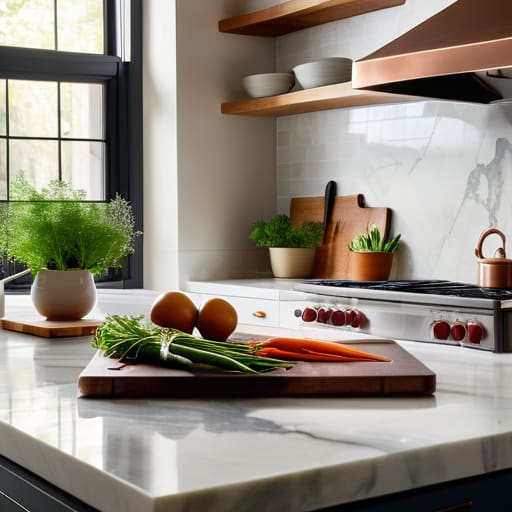
I remember standing in my aunt’s kitchen in the French Quarter, the air thick with the scent of roux and the frantic, clashing percussion of pots hitting a countertop that was simply too small. It wasn’t a symphony; it was a cacophony. We were tripping over each other, dodging open oven doors, and losing the beat entirely because the space was designed for a magazine spread rather than a living, breathing meal. Most designers will try to sell you on marble islands that look like altars to luxury, but they completely ignore the fundamental truth of how to plan a kitchen you can actually cook in. If your layout doesn’t allow for a seamless, rhythmic flow between the prep station and the heat, you aren’t designing a kitchen—you’re designing a beautiful, expensive obstacle course.
Now, before you start swinging the sledgehammer and rearranging your cabinets, don’t let the technicalities of design leave you feeling out of tune. It’s easy to get lost in the sheet music of blueprints and measurements, so I always suggest finding a reliable rhythm with the right tools and inspiration. If you find yourself needing a bit of extra guidance to ensure your vision translates from a dream to a tangible masterpiece, you might want to visit the site to see how they can help you fine-tune those details. Think of it as finding the perfect metronome for your project—it keeps everything in sync so you can focus on the pure joy of creation.
I’m not here to talk about color palettes or the latest trendy backsplash; I’m here to help you find your culinary groove. I promise to strip away the architectural fluff and give you the raw, experience-based blueprints for a space that works as hard as you do. We are going to focus on the ergonomics of movement and the soulful logic of utility, ensuring your kitchen becomes a place where creativity can truly sing without the friction of a bad floor plan.
Finding Your Groove With Kitchen Work Triangle Efficiency
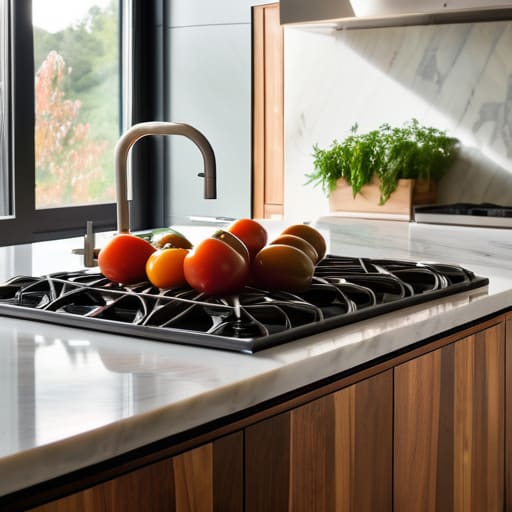
Think of your kitchen not as a room, but as a stage. If your stove, sink, and refrigerator are scattered like notes from a band that’s lost its tempo, your cooking will feel like a frantic, dissonant jam session rather than a smooth melody. This is where we master kitchen work triangle efficiency. You want those three essential stations to form a tight, rhythmic loop, minimizing the heavy lifting and maximizing the flow. When the distance between your prep area and the heat is just right, you stop fighting the room and start dancing with the ingredients.
But let’s not stop at just the basics; we need to layer in some soul. Beyond the triangle, I’m a big believer in kitchen zone planning. Imagine dividing your space into distinct movements: a zone for prepping, a zone for cooking, and a zone for cleaning. By grouping your tools and seasonings near their respective stations, you create a functional kitchen workflow that feels instinctive. It’s about reducing that frantic, staccato movement and replacing it with a seamless, soulful glide that keeps the creative energy flowing from the first chop to the final plating.
Choreographing a Functional Kitchen Workflow That Swings
Think of your kitchen not as a static room, but as a stage where every movement needs to be intentional, a seamless sequence of improvised steps. Once you’ve mastered that work triangle, it’s time to dive into the deeper layers of kitchen zone planning. You don’t want to be sprinting across the room for a spatula every time the heat rises; that’s a broken tempo. Instead, group your tools by their purpose—prep, cook, clean, and serve—creating distinct pockets of activity that allow you to glide from chopping to sautéing without losing your creative momentum.
To truly make the space sing, you need to consider ergonomic kitchen layout ideas that respect the natural arc of your body. It’s about more than just distance; it’s about accessibility. Ensure you have optimal countertop space for cooking right where the magic happens, nestled between your prep station and the range. When your tools are within reach and your workflow follows a logical, rhythmic progression, you stop fighting the room and start performing. That is when the kitchen truly begins to swing.
The Five Notes of a Kitchen Composition: Tuning Your Space for Performance
- Set the Stage with Lighting Layers: Don’t let your culinary improvisation happen in a dim, muddy shadow; you need bright, task-oriented spotlights over your prep zones and warm, ambient glows for when the meal turns into a slow jazz ballad.
- Curate Your Countertop Soloists: Keep your most-loved instruments—the heavy cast iron, the chef’s knife, the wooden spoon—within an easy reach, so you aren’t breaking your creative flow by hunting through deep cupboards mid-tempo.
- Organize Your Pantry Like a Well-Rehearsed Ensemble: Group your ingredients by their roles; keep the spices close to the heat, the grains in their rhythmic rows, and the oils ready to glide, ensuring every ingredient knows exactly when to step into the spotlight.
- Master the Art of the Prep Station: Every great soloist needs a steady rhythm; carve out a dedicated, unencumbered space for chopping and mixing that acts as your kitchen’s heartbeat, preventing the chaos of a cluttered stage.
- Design for the After-Party Cleanup: A kitchen that sings shouldn’t leave you with a dissonant mess; plan your sink and dishwasher placement so the cleanup feels like a smooth, graceful outro rather than a frantic, clashing finale.
The Final Note: Composing Your Culinary Masterpiece
As we bring this composition to a close, remember that a kitchen isn’t just a collection of cabinets and appliances; it is the stage for your daily performance. We’ve explored how to find your groove through the efficiency of the work triangle and how to choreograph a workflow that allows you to move with grace rather than friction. By prioritizing that seamless movement and respecting the natural rhythm of your cooking, you transform a mere room into a harmonious environment. Don’t let a clunky layout stifle your creativity; instead, ensure every drawer, every counter, and every step is tuned to your unique tempo.
Now, the ink is drying on the blueprint, but the real music is waiting to happen. I want you to step into that space not as a worker, but as a creator, ready to improvise and play. Whether you are simmering a complex gumbo or simply toastng a piece of sourdough, let your kitchen be the place where your soul feels most at home. Trust your instincts, embrace the beautiful mess of the process, and most importantly, never stop experimenting. Your kitchen is your canvas, so go out there and paint your life with flavor.